Disclosure: This article contains Amazon affiliate links. As an Amazon Associate, I earn from qualifying purchases.
Introduction
You’re standing at airport security with a toddler on your hip, a diaper bag sliding off your shoulder, and a stroller that won’t fold with one hand. That moment is exactly why a lightweight stroller for toddlers exists.
Quick Picks: Best Lightweight Strollers for Toddlers
Not reading the whole guide? Here’s the short version:
- Best Overall: UPPAbaby MINU V3 — smooth ride, self-standing fold
- Best for Flying: gb Pockit+ / Pockit Air — smallest fold on this list
- Best for Travel & Disney Trips: Baby Jogger City Tour 2 — durable, airline-friendly
- Best Budget Pick: Summer 3Dlite+ — covers the basics without the premium price
Full breakdown, pros/cons, and specs below.
Most lightweight strollers on the market fall somewhere between 13 and 18 pounds — not the “under 15 pounds” number thrown around by a lot of buying guides. That range still means you can sling it into a trunk, an overhead bin, or up a walk-up apartment’s stairs without throwing your back out.
This guide breaks down what actually matters when you’re shopping — weight, fold, harness, canopy, storage — plus real product picks and the safety habits that keep toddlers secure on the go. If your toddler still naps mid-errand or needs a stroller that can survive a Disney trip, a beach weekend, and a Tuesday grocery run, keep reading.
Table of Contents
Important elements to look for in a lightweight stroller for toddlers
1. Portability and Weight
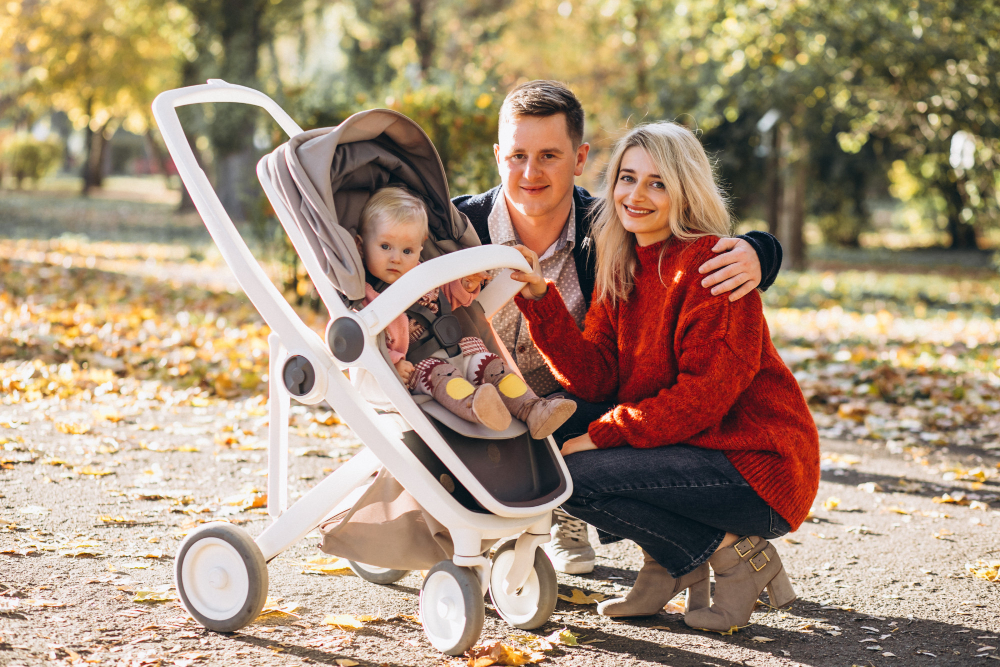
Most true lightweight strollers land between 13 and 18 pounds. Anything heavier and you’ll feel it after the third time lifting it into a trunk or up a subway staircase. If you’re flying often, look closer to the 13–15 lb end — models like the Baby Jogger City Tour 2 or gb Pockit+ are built specifically for that.
One detail a lot of guides skip: check whether the stroller can be carried one-handed while folded. If you’re managing a toddler on your other arm, a stroller with an awkward folded shape or no carry strap becomes a two-trip problem real fast.
2. Compact Fold Process
A one-hand fold sounds like a nice-to-have until you’re holding a squirming toddler and a coffee at the same time. Test this in-store if you can, or watch a real unboxing video — spec sheets don’t tell you how stiff the mechanism feels after six months of daily use.
Folded size matters just as much as the fold itself. The UPPAbaby MINU V3 folds small enough to self-stand against a wall, while the gb Pockit+ is built around fitting into airline overhead bins — worth knowing if you fly more than you drive.
3. Strength and Durability of Frame
Lightweight doesn’t have to mean flimsy. Aluminum frames keep weight down without turning the stroller into something that flexes or rattles over cracked sidewalks.
Weight limits vary a lot by brand — most lightweight toddler strollers max out somewhere between 40 and 55 pounds, so check the manufacturer’s spec sheet for the exact model you’re considering rather than assuming. If your toddler is already tall for their age, also glance at the seat back height, not just the weight limit — a short seat back on a long-legged 3-year-old gets uncomfortable fast.
4. Reclining Choices and Cozy Seating
Toddlers may sleep anywhere, particularly mid-shopping or while taking lengthy walks. Comfort and correct posture are aided by a multi-position recline, ideally near-flat. Padded seating, breathable materials, and adjustable leg rests offer additional comfort for long journeys and USA summers.
5. Smooth Maneuverability
Push the stroller with one hand before you buy it, if you possibly can. A stroller that pulls to one side or needs two hands to steer around a shopping cart is a daily annoyance, not a minor quirk.
Swivel front wheels help in tight aisles; locking them helps on uneven ground like gravel paths or cobblestone — common on family trips to places like Disney, where you’re pushing for hours at a stretch.
6. Security Elements (5-Point Harness, dependable brakes)
Never cut corners on safety. A “lightweight stroller for kids” ought include:
A sturdy five-point harness
Convenient foot brakes
Swivel wheels that can be locked
Stable center of gravity helps to avoid tilting.
7. Accessories and Storage
Toddlers travel with an entire supply chain: snacks, a spare outfit, a favorite toy that cannot be left behind under any circumstances. A stroller with a shallow or hard-to-reach basket turns every errand into a juggling act.
Look for:
- A basket you can reach without unbuckling the child
- A cup holder for you (and ideally a snack tray for them)
- A UPF-rated canopy with real coverage, not a token flap of fabric
If you’re in a sun-heavy state like Arizona, Florida, or Texas, an extendable canopy earns its keep fast. A stroller sun shade or clip-on add-on is worth having if the built-in canopy runs small.
Lightweight Stroller vs. Travel System vs. Umbrella Stroller
These three get mixed up constantly, and picking the wrong category is the most common regret parents mention after buying.
Umbrella strollers are the cheapest and lightest, but most have little to no recline and a thin, unpadded seat — fine for a quick errand, rough for a toddler who naps on the go.
Lightweight strollers (what this guide covers) sit in the middle — real recline, a proper harness, decent storage, but still light enough to carry solo.
Travel systems pair a stroller frame with an infant car seat. They’re heavier and bulkier, and mainly make sense if you still have a baby in an infant seat — most toddlers have already outgrown the car seat that clicks into these.
If your child is walking, talking, and past the infant car seat stage, a lightweight stroller is almost always the better fit over a full travel system.
Tips on safety and travel when using a lightweight stroller for toddlers in the USA
1. ALWAYS buck your child.
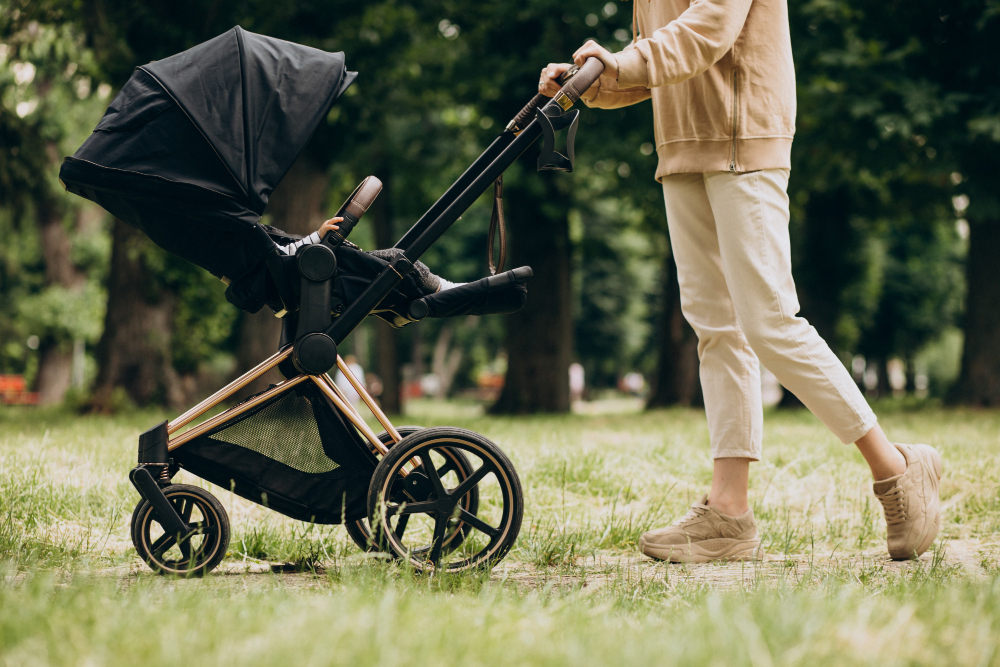
Active and wiggly are toddlers. Even for brief strolls, shopping centers, or airports, secure the harness.
2. Apply the brakes anytime you come to rest.
Always use the brakes to steady the stroller whether you are in a grocery aisle or waiting for a crosswalk.
3. Prepare for weather conditions.
Weather changes the gear you need more than most parents expect.
In cold climates — Minnesota, Chicago, upstate New York — a footmuff and insulated blanket matter more than an extra canopy panel. In warm states, ventilation and shade do the heavy lifting. A mosquito net is also worth packing for evening walks in humid regions, and a rain cover earns its space in the storage basket almost anywhere in the U.S.
4. Refrain from hanging large bags from the Handle.
Particularly with light models, this can cause tipping.
5. At airports, use Gate-Check Bags
Traveling often calls for a gate-check bag, which safeguards your stroller from damage when you fly with companies like Delta, American, Southwest, or United.
6. Reflective strips are needed for nighttime walks.
Select a stroller with reflective features or stick-on reflectors for safer nighttime walks.
Maintenance and Cleaning Advice for Your Lightweight Stroller for Toddlers
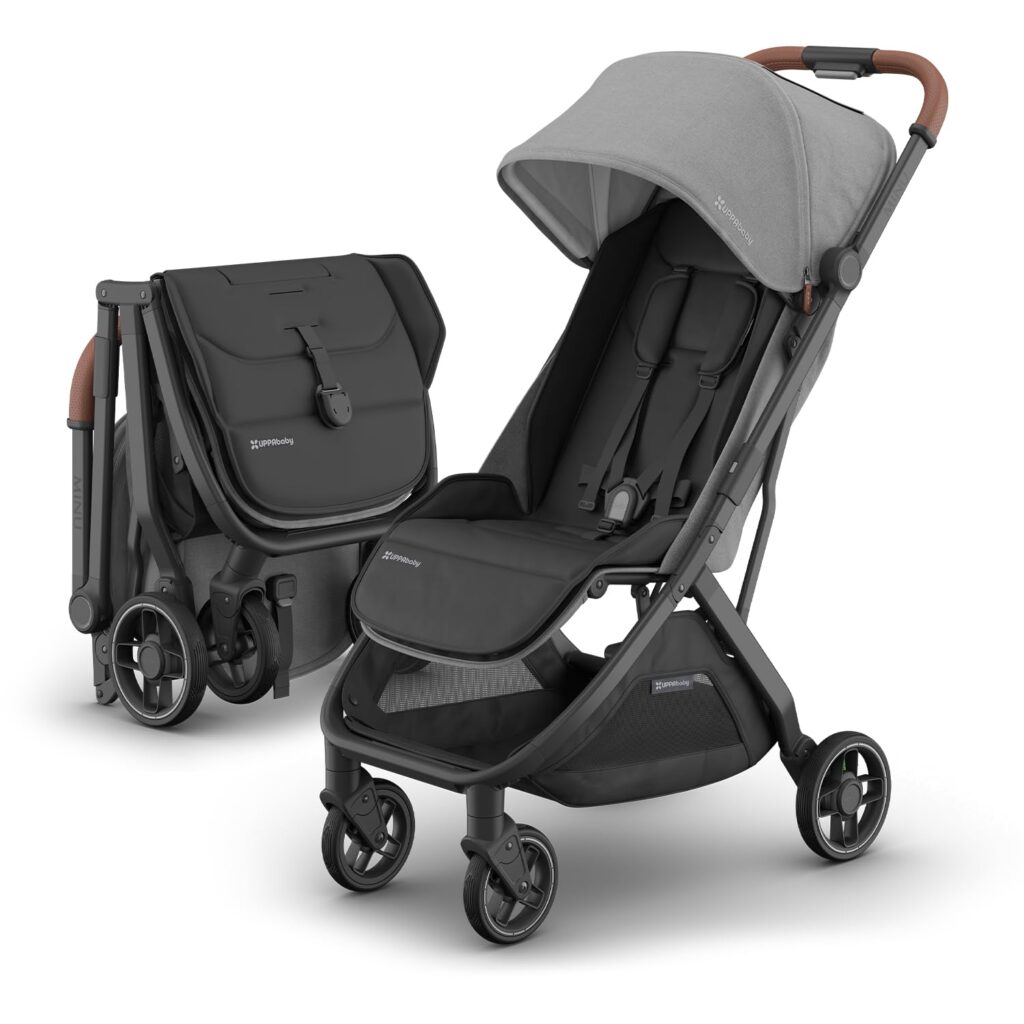
Maintaining your stroller’s cleanliness enhances its life span and helps your kid to be healthier.
1. Weekly Wipes
Clean handlebar, bumper bar, seat area, and snack tray with baby-safe wipes. Toddlers spill a lot: crumbs, chocolate, juice—you name it.
2. Monthly Deep Cleanings
If machine-washable, cut material.
Warm water + light soap wheel cleaning
Clean sand, earth, or crumbs from joints
Tighten screws or bolts
For parents seeing parks, beaches, or theme parks like Disney or Universal, this makes a great difference.
3. Keep wheels smooth.
A drop of silicone lubrication on wheel joints helps to increase maneuverability and decrease squeaking. In colder areas where snow or salt accumulation can stiffen wheels, this is especially helpful.
4. Preserve It Properly
To avoid fabric fading and frame damage, keep your stroller indoors, away from heat and sun.
Best Lightweight Strollers for Toddlers, Compared
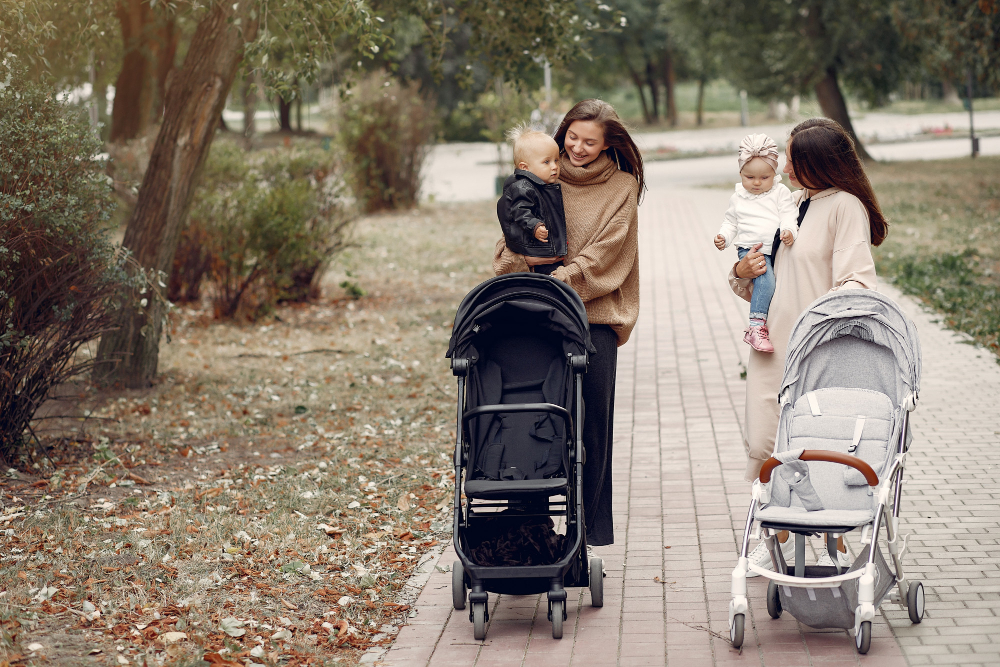
Here’s how the top picks stack up on the numbers that actually decide whether you’ll use a stroller daily or leave it folded in the garage.
| Stroller | Weight | Fold | Best For |
|---|---|---|---|
| UPPAbaby MINU V3 | ~14.6 lbs | One-hand, self-standing | City parents, daily use |
| Baby Jogger City Tour 2 | ~16.5 lbs | Compact, airplane-friendly | Travel & Disney trips |
| gb Pockit+ / Pockit Air | ~9.5–13 lbs | Ultra-compact, overhead-bin size | Flying, subways, small apartments |
| Summer 3Dlite+ | ~14 lbs | Standard one-step fold | Budget-conscious families |
Weights are manufacturer-listed and can vary slightly by trim — check the current spec sheet before buying.
1. UPPAbaby MINU V3
This is the one to get if you want a stroller that feels like a full-size model shrunk down without losing the smooth ride. The fold is genuinely one-hand, and it stands on its own once folded — useful if you’re loading a trunk that’s already full.
Read the full UPPAbaby MINU V3 review.
Pros: Self-standing fold, smooth push, large canopy
Cons: Pricier than most competitors, basket is smaller than full-size strollers
2. Baby Jogger City Tour 2
Compact enough for regular travel, with a fold that fits most airline sizers. It’s held up well in independent testing for durability, though some testers note it feels bulkier than ultra-compact competitors when carried folded.
Read the full Baby Jogger City Tour 2 review.
Pros: Durable build, fits most airline sizers, comfortable for longer outings
Cons: Bulkier than ultra-compact options when folded, no carry strap included
3. gb Pockit+ / Pockit Air
Still one of the smallest folding strollers on the market — genuinely small enough for an overhead bin. The tradeoff is a smaller seat and less storage, so it suits shorter outings better than all-day use.
Read the full gb Pockit+ review.
Pros: Smallest fold in this lineup, genuinely overhead-bin friendly
Cons: Smaller seat and less storage, better for short outings than all-day use
4. Summer 3Dlite+ Convenience Stroller
The budget pick that doesn’t feel like a budget pick. It skips some of the premium extras but covers the basics — recline, canopy, basket — reliably.
Read the full Summer 3Dlite+ review.
Pros: Lowest price point here, covers recline, canopy, and basket basics
Cons: Fewer premium features, wheels feel less smooth on rough pavement
Want a broader lineup, including strollers with car seat compatibility? See our full Best Lightweight Travel Stroller guide.
Buying Mistakes Parents Regret
- Buying based on weight alone: A stroller that’s 2 lbs lighter but has a stiff, awkward fold is worse day-to-day than a slightly heavier one that folds in one motion.
- Skipping the recline test: If a toddler naps on outings, a shallow recline angle means a stiff neck for them and a fussy toddler for you.
- Ignoring the seat back height: A stroller rated for the weight limit can still be too short for a tall 3-year-old — check seat back height, not just the weight number.
- Assuming all lightweight strollers handle rough ground: Small wheels built for smooth sidewalks struggle on gravel, grass, or cobblestone — check wheel size if you’ll use it outdoors often.
FAQs: Lightweight Strollers for Toddlers
How much should a lightweight stroller for a toddler weigh?
Most true lightweight strollers weigh between 13 and 18 pounds. Anything under 15 lbs is considered ultra-compact and ideal for flying.
Can a toddler use a lightweight stroller full-time, or is it just for travel?
Many families use one as their only stroller past the newborn stage. Just check the weight limit and seat back height match your toddler’s size before committing to it as a daily-use stroller.
Is a lightweight stroller safe for a 3-year-old?
Yes, as long as the stroller’s stated weight limit and age range cover your child and you consistently use the harness. Kids who are already climbing out of a 5-point harness may do better in a stroller with a higher, sturdier seat back.
Find the Right Lightweight Stroller for Your Family
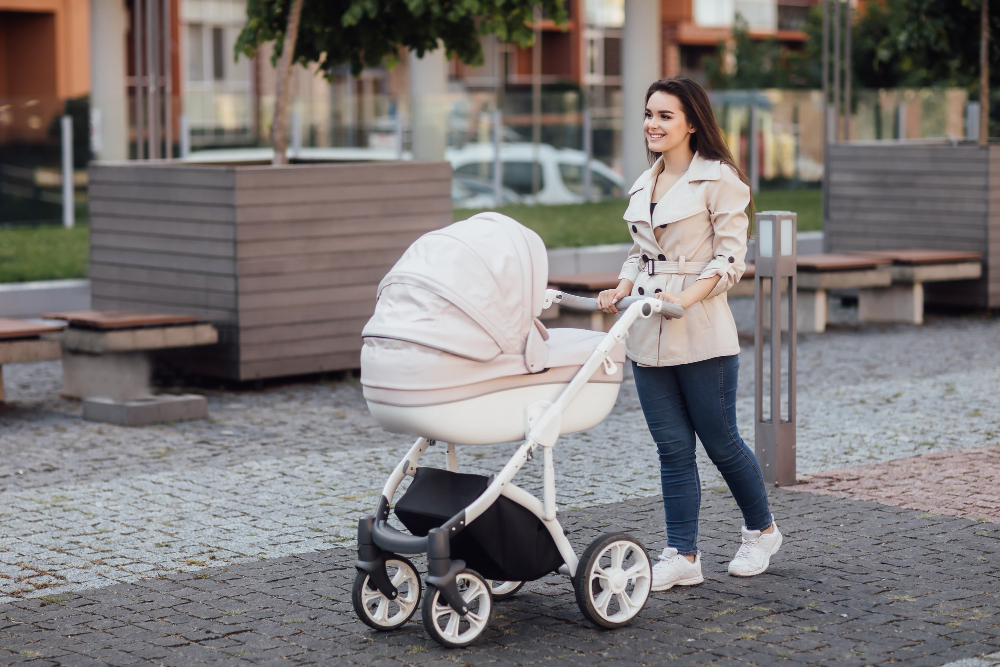
There’s no single best lightweight stroller — there’s the one that fits how your family actually moves. A frequent flyer needs a different stroller than a parent doing the school run in the suburbs.
Weigh it, fold it, push it if you can before you buy — and check the weight limit against how long you plan to use it, since most toddlers outgrow a stroller faster than parents expect.
Still shopping around? Browse our Best Stroller Organizer for Travel picks to keep everything within reach, or check our Best Stroller for Newborn guide if you’re buying before baby arrives and want something that grows with them.
Saim Mughal is the founder of Care for Cuties, testing and comparing baby gear firsthand so parents get advice they can trust, not recycled claims.
12 Responses