
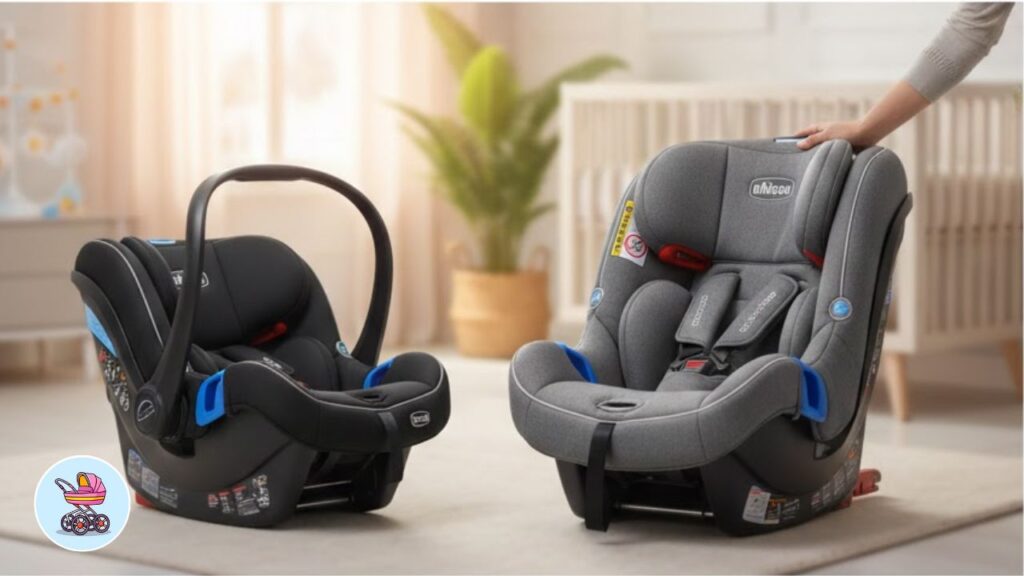
Choosing the right car seat is one of the most important decisions you’ll make as a new parent — and it’s also one of the most confusing. Chicco has earned a strong reputation across the USA for building seats that are genuinely difficult to install incorrectly, and that matters more than most parents realize. Studies show that up to 59% of car seats are installed incorrectly in real-world use. Incorrect installation doesn’t just reduce protection — it can eliminate it.
This review covers the full 2026 Chicco lineup: the KeyFit Max, KeyFit 35, Fit360, NextFit Max, Fit4, and Fit3x. Whether you’re bringing home a newborn next week or looking for one seat that grows with your child through booster age, there’s a specific Chicco model built for your situation — and a wrong choice that will waste your money. We’ll help you find the right one.
Table of Contents
Why Choose a Chicco Car Seat?
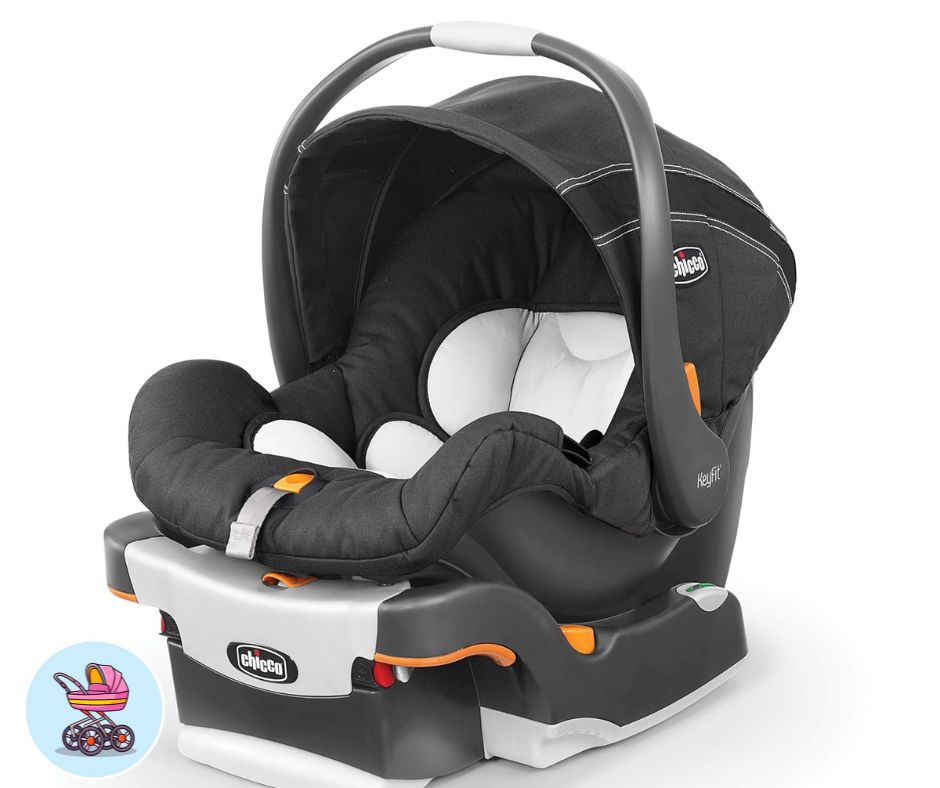
The honest reason Chicco shows up on recommended lists — from pediatricians, from certified child passenger safety technicians (CPSTs), from parents on their third kid — is that the seats work correctly in most vehicles and install without requiring a tutorial. That sounds like a low bar. It isn’t.
Child passenger safety technicians have a short list of seats they recommend without hesitation, and Chicco’s KeyFit line appears on it consistently. The reasoning isn’t brand loyalty. It’s that Chicco engineered their seats to make wrong installation genuinely difficult: the bubble level indicator gives clear visual feedback on recline angle, the SuperCinch LATCH system removes most of the physical effort from tightening, and the adjustable recline foot handles the angle problems that trip up parents using other brands. That philosophy — reduce the ways installation can go wrong — is exactly what trained technicians look for when they run car seat checks.
Safety is built into every layer of Chicco’s design. Features like anti-rebound bar stability, lower anchor connectors, and steel-reinforced lockoffs work together to keep the seat from shifting during a crash. But they also work because parents can actually install them correctly the first time, without help. A seat with advanced crash protection that’s installed at the wrong angle protects your child far less than a simpler seat installed perfectly. Chicco closes that gap.
Practicality matters too. Models like the Chicco KeyFit Max ClearTex include removable, machine-washable covers made without flame-retardant chemicals — a detail that matters for newborns who spend hours pressed against the fabric. Travel-friendly options, including baseless installation using European belt path routing, make these seats genuinely rideshare-ready and FAA-approved for flights. And Chicco’s stroller compatibility lets you build a full travel system without adapters or guesswork.
From the first ride home from the hospital to the last trip in a booster seat, Chicco covers every stage with seats that earn their place in the vehicle — not just on the spec sheet.
All Chicco Car Seat Models (2026): Which One Fits Your Child?
Chicco’s 2026 lineup covers every stage from 4 pounds to 120 pounds. Infant-only seats handle the early months; convertibles and all-in-ones take over from there. The biggest practical difference between them isn’t just weight range — it’s portability, installation flexibility, and how many years you’ll get out of a single purchase.
| Model | Type | Rear-Facing | Special Feature | Best For |
|---|---|---|---|---|
| Chicco KeyFit Max | Infant | Yes | Anti-rebound bar + no-rethread harness | Newborns, travelers |
| Chicco KeyFit 35 | Infant | Yes | 35 lb weight limit, ReclineSure | Budget-conscious buyers |
| Chicco Fit360 | Convertible | Yes/No | 360° rotation | Daily use, back pain relief |
| Chicco Fit4 | All-in-One | Yes | 4 stages, birth to booster | Families wanting one seat |
| Chicco Fit3x | All-in-One | Yes | 16.7″ slim width | 3-across, compact cars |
Last verified: 2026 — check Chicco’s site for current model availability.
This table gives you a starting point. The section below helps you figure out which row applies to you.
Which Chicco Car Seat Is Right for You? Answer These Questions First
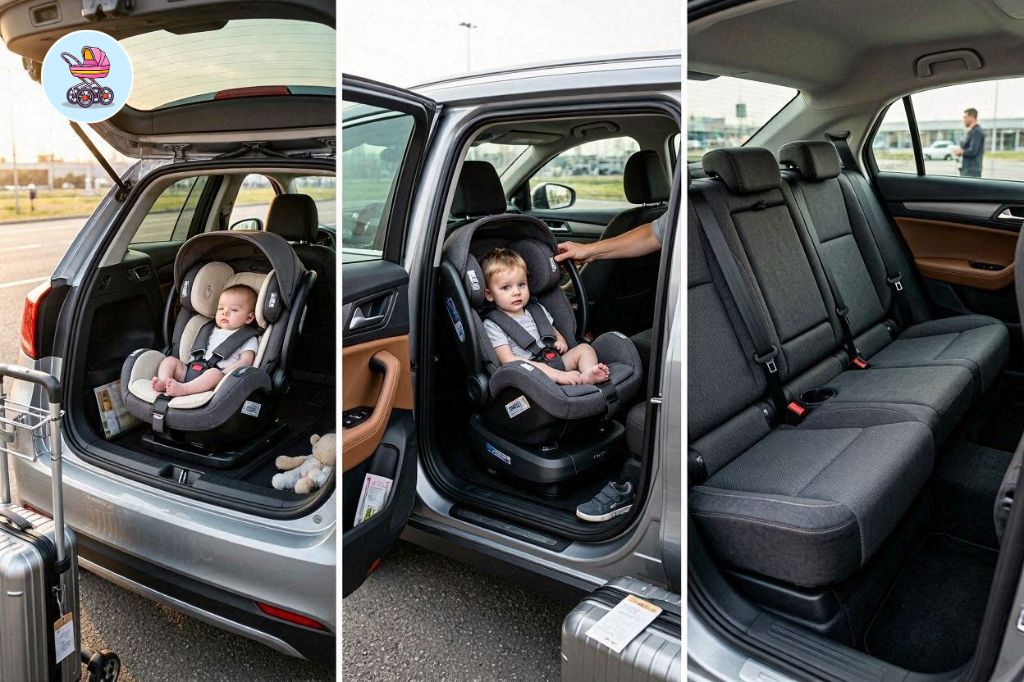
Before spending $200–$350, answer these:
Do you have a newborn, or are you buying before the baby arrives? Start with an infant seat — the KeyFit Max or KeyFit 35. A convertible can technically be used from birth, but infant buckets are easier to move between the car and a stroller, easier to install in multiple vehicles, and designed for the specific postural needs of a very small baby. Don’t skip the infant stage to save money on a later seat.
Do you travel frequently — rideshares, taxis, or planes? The KeyFit Max is the right call. It installs without its base using European belt routing, it’s FAA-approved, and it moves in and out of vehicles without any base to carry separately. The Fit360 is not travel-friendly in the same way.
Do you have back pain or a toddler who fights getting buckled? The Fit360’s rotation feature exists for exactly this situation. Swinging the seat toward the door and lowering your child in — rather than reaching across the back seat — is a genuine quality-of-life improvement, not a marketing gimmick. Parents with tight parking spots or chronic back issues notice it every single day.
Do you want the longest possible rear-facing window without paying for a rotating seat? The NextFit Max is built specifically for this. It doesn’t rotate and it isn’t slim — but if extended rear-facing is your priority and you don’t need the door-swing convenience of the Fit360, it’s the more affordable way to get there.
Do you want to buy one seat and never think about it again? The Fit4 or Fit3x covers birth through booster. You’ll pay more upfront and deal with a bigger seat in the early months, but you’ll never need to buy another car seat. If simplicity matters more than portability, that trade-off makes sense.
Is your back seat tight — small car, SUV with limited depth, or a 3-across situation? The Fit3x at 16.7 inches wide is the narrowest all-in-one Chicco makes. For families trying to fit three seats across, it’s the only Chicco model realistically designed for that job.
None of these questions have a wrong answer. They just have your answer — and that’s the seat you should buy.
1. Chicco KeyFit Max Review
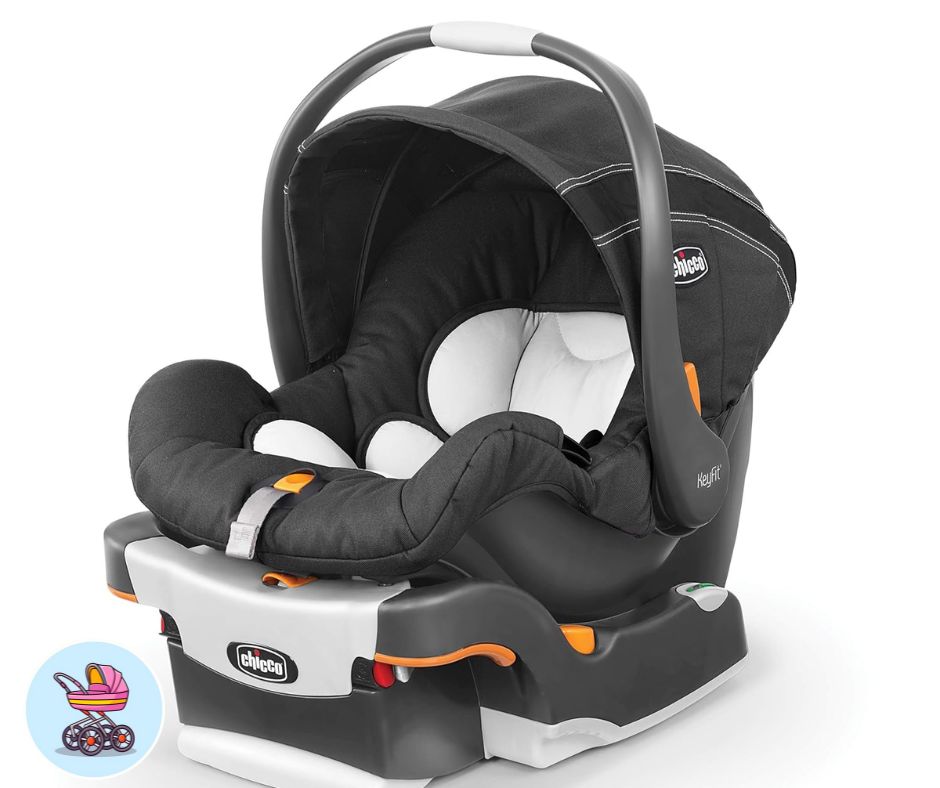
The KeyFit Max is Chicco’s most advanced infant seat in 2026, and the upgrades over older KeyFit models aren’t cosmetic — they solve real problems parents ran into with earlier versions.
The no-rethread harness is the change parents notice first. On older models, adjusting harness height meant manually removing and re-routing the straps through new slots — a frustrating process that many parents delayed too long, leaving their child in a harness that no longer fit properly. The KeyFit Max eliminates that entirely. Adjust the headrest and the harness moves with it. Done in seconds.
The integrated anti-rebound bar is the other standout addition. It braces against the vehicle seat during a crash to limit how far the carrier rotates — a physics problem that rear-facing seats face in frontal collisions. The bar also adds about 1.5 inches of legroom for the child, which sounds minor until you realize how quickly babies push against the back of the seat.
Installation is where Chicco has always excelled, and the KeyFit Max continues that. The SuperCinch LATCH system tightens with one pull rather than requiring repeated yanking on the webbing. Steel-reinforced lockoffs handle seat belt installations without the lockoff stretching out over time — a problem that plagued older plastic designs. For center seat installations, Chicco only permits LATCH use when anchors have standard 11-inch spacing, so check your vehicle manual before assuming center LATCH will work.
For travel, the KeyFit Max is as close to a rideshare-ready infant seat as you’ll find. It installs without the base using European belt path routing — more on the specifics of that in the installation section below. It’s FAA-approved without the base, making airplane installation straightforward. And it pairs seamlessly with compatible Chicco strollers to create a complete travel system with a single click.
| Feature | Chicco KeyFit Max |
|---|---|
| Weight Range | 4–30 lbs |
| Height Limit | Up to 32 inches |
| Harness Positions | 5-position no-rethread |
| Installation | LATCH or belt; baseless with Euro routing |
| Fabric Option | ClearTex (flame-retardant free) |
| Carrier Weight | 10 lbs |
| Lifespan | 6 years from manufacture date |
The base is compatible with earlier KeyFit 30 and KeyFit 35 seats, which is useful for families upgrading. It is not compatible with the Chicco Fit2. Additional bases are available separately, making two-car households easier to manage without buying a second full seat.
One honest drawback: at 10 lbs, the carrier is on the heavier side for an infant bucket. That weight adds up after months of lifting it in and out of vehicles. If you carry the seat long distances on foot regularly, factor that in.
2. Chicco KeyFit 35 Review
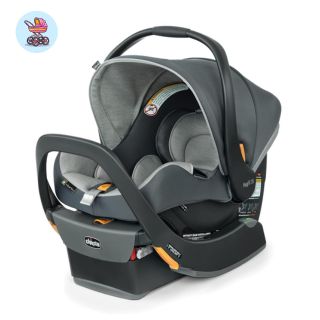
The KeyFit 35 doesn’t get the same attention as the newer Max, but it’s still the seat that child passenger safety technicians recommend most often — and there’s a reason that reputation has held for years.
The main practical difference from the older KeyFit 30 is the weight ceiling: 35 lbs instead of 30, giving parents a few extra months before the child outgrows the infant bucket stage. The height limit stays at 32 inches, and most babies reach the height limit before the weight limit — typically somewhere between 12 and 15 months. For parents who want to keep their child rear-facing as long as safely possible in an infant seat, those extra few months matter.
Installation is where this seat built its reputation. The ReclineSure leveling foot adjusts with one hand to achieve the correct recline angle regardless of vehicle seat shape. Dual bubble level indicators on both sides of the base confirm the angle without guessing. The SuperCinch LATCH tightener takes much of the effort out of the process — attach the connectors, press down on the base, pull the strap, feel it lock. For first-time parents who are nervous about getting installation right, that feedback is genuinely reassuring.
Compared to the KeyFit Max, the 35 does not include an anti-rebound bar or a no-rethread harness. That’s a real difference — the anti-rebound bar adds crash stability, and the no-rethread harness prevents the fit problems that develop when parents delay adjusting harness height. If budget allows, the Max’s upgrades are worth it. But the KeyFit 35 at around $230 remains one of the best-value infant seats on the market and gives up very little in practice.
It clicks directly into all compatible Chicco strollers for an instant travel system — no adapters needed. At that price point, it’s substantially less than premium seats from Nuna or Cybex while matching them on what actually protects your child.
| Feature | Chicco KeyFit 35 |
|---|---|
| Weight Range | 4–35 lbs |
| Height Limit | Up to 32 inches |
| Installation | LATCH or belt |
| Leveling System | ReclineSure with dual bubble indicators |
| Carrier Weight | ~9.5 lbs |
| Lifespan | 6 years from manufacture date |
Last verified: 2026 — check Chicco’s site for current pricing.
3. Chicco Fit360 Rotating Convertible Car Seat Review
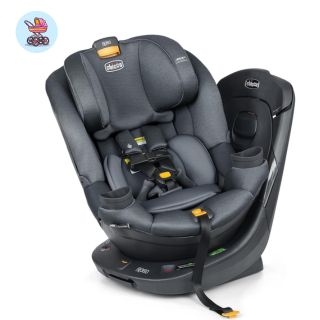
The Fit360 brings a specific solution to a specific problem. Instead of lifting your child straight in and out, the seat rotates toward the door — and once you’ve used a rotating seat with a heavy toddler, you understand immediately why that matters.
From a safety standpoint, the seat supports extended rear-facing use before transitioning to forward-facing. The rotation locks firmly during travel, and the anti-rebound bar works with the base’s design to limit seat movement during sudden stops. Lower anchor connectors are strong and clearly marked, and a bubble level recline indicator guides proper base angle — the same visual feedback system that makes Chicco’s infant seats so easy to install correctly.
The Fit360 is not an infant carrier. It doesn’t lift out of the base, doesn’t install without a base, and isn’t suitable for rideshare or airplane use in the same way the KeyFit Max is. What it is, is a seat built for daily in-and-out use over several years. Families who do the same school drop-off or daycare run twice a day feel the rotating feature’s value in their lower back by the end of the first week.
Fit grows with the child. The headrest adjustment and multiple harness height positions mean the seat can be reconfigured as your toddler grows without reinstalling the base from scratch. The padding holds up well to daily use, and the removable cover on most versions is machine washable — a practical feature for a seat that will see years of spills and crumbs.
For parents comparing the Fit360 to other rotating car seats, it competes well on installation ease. Where some rotating seats require extra steps to lock the rotation correctly, the Fit360’s mechanism is intuitive enough that most parents get it right the first time.
| Feature | Chicco Fit360 |
|---|---|
| Seat Type | Convertible (rear- and forward-facing) |
| Installation | LATCH or belt |
| Rotation | Full 360°, locks for travel |
| Recline Indicator | Bubble level |
| Cover | Removable, machine washable |
| Best For | Daily use, parents with back pain |
4. Chicco Fit4 Review — One Seat from Birth to Booster
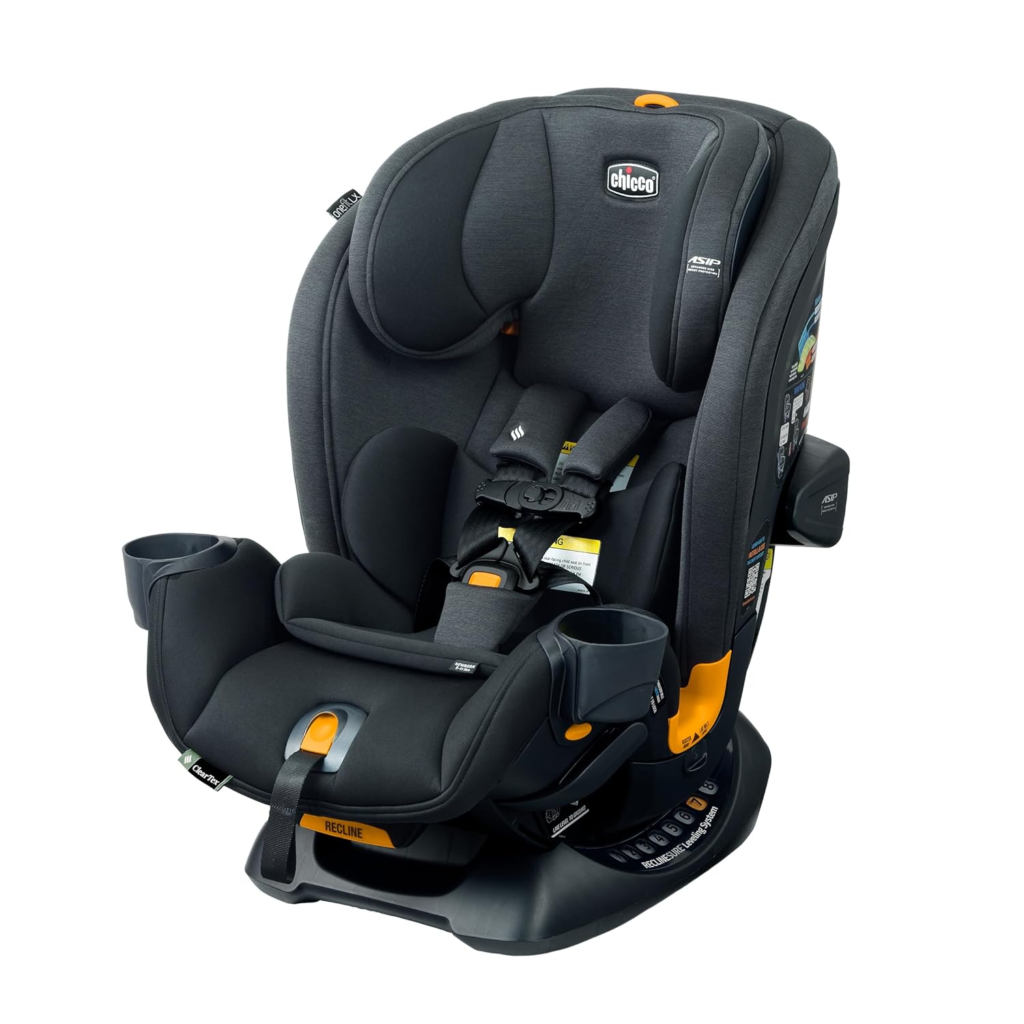
Most parents buy two or three car seats before their child turns ten. The Fit4 is Chicco’s answer to that math problem.
It moves through four stages: rear-facing from 4–40 lbs, extended rear-facing up to 40 lbs, forward-facing with a 5-point harness from 25–65 lbs, and finally a belt-positioning booster from 40–100 lbs — with some extended configurations reaching 120 lbs. A 9-position no-rethread headrest adjusts as the child grows without removing the harness or rethreading straps through new slots. In theory, you install this seat once and adjust it for the next decade.
The tradeoff is bulk. In rear-facing mode, the Fit4 is a substantial seat. In compact cars, it will cut into front-seat legroom noticeably — this isn’t a seat to buy without checking your vehicle dimensions first. In full-size SUVs and minivans, it’s comfortable and manageable. In a small sedan, it can make the front passenger seat feel cramped.
At around $350, the Fit4 costs more upfront than any of Chicco’s infant seats. But it replaces every seat you’d otherwise buy from birth through approximately age 10. For families who want to stop researching car seats after one purchase, that math works out favorably — and the per-year cost ends up lower than buying an infant seat, then a convertible, then a booster.
| Feature | Details |
|---|---|
| Stages | 4 (rear-facing → extended rear-facing → forward-facing harness → booster) |
| Weight Range | 4–100 lbs (some configs up to 120 lbs) |
| Rear-Facing | 4–40 lbs |
| Forward-Facing (Harness) | 25–65 lbs |
| Booster Mode | 40–100 lbs (extended: 120 lbs) |
| Headrest | 9-position, no-rethread |
| Price | ~$350 |
| Best Fit | Full-size SUVs, minivans |
| Weak Point | Cramps legroom in compact/small sedans |
| Value Pitch | One seat from birth through ~age 10 |
Last verified: May 2026 — check Chicco’s site for current pricing and weight limit specifications.
5. Chicco Fit3x Review — The Slim All-in-One
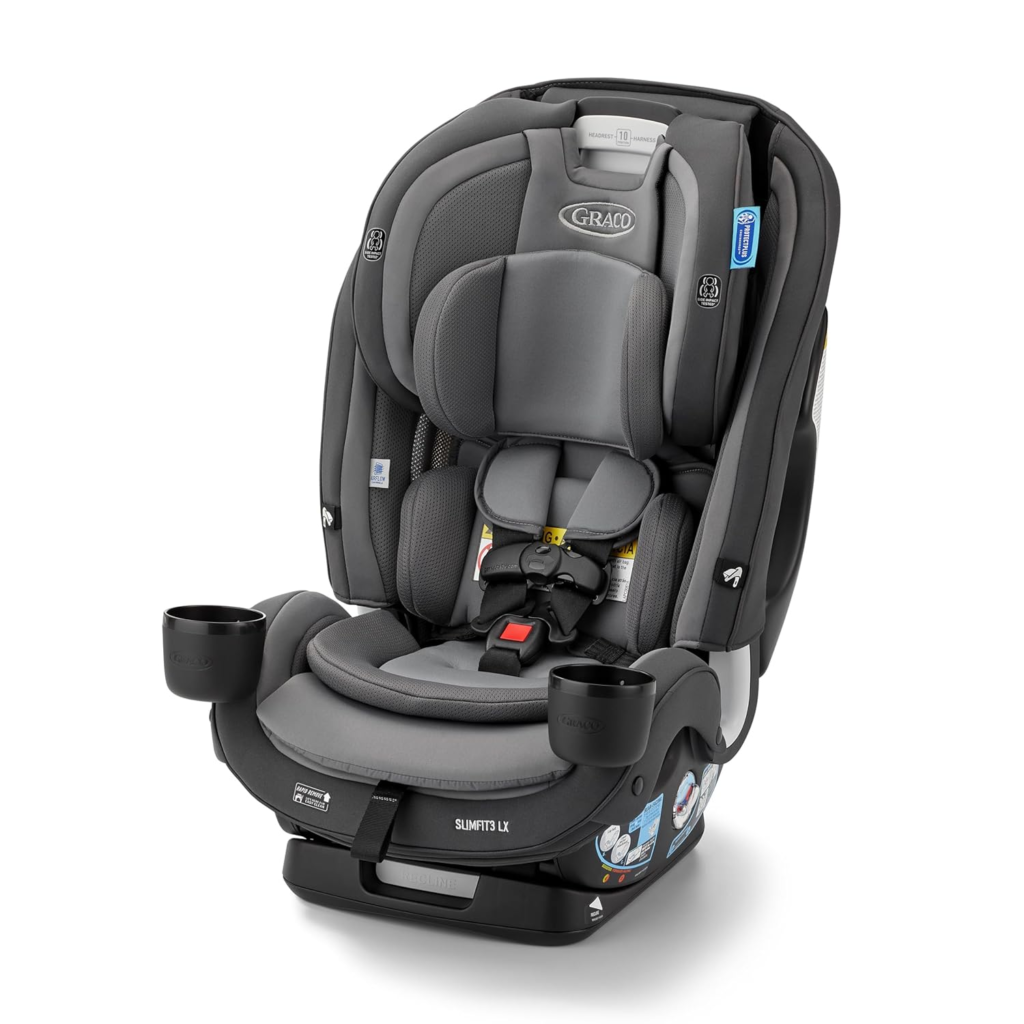
If your back seat is tight — or you’re trying to fit three car seats across — the Fit3x deserves serious attention. At 16.7 inches wide, it’s one of the narrowest all-in-one seats currently available in the US market, narrow enough to sit fully within a single vehicle seat without spilling into the adjacent space.
It covers the same growth arc as the Fit4: rear-facing from 5–40 lbs, forward-facing from 26.5–65 lbs, and high-back booster from 40–100 lbs. The 12-position headrest adjusts with the harness, so there’s no rethreading as your child grows. Mini-Grip LATCH connectors work up to 40 lbs and are genuinely easy to attach and tighten. RideRight bubble level indicators appear on both sides of the seat — not just one — which helps when you’re installing at an angle or in a tight position.
The Fit3x is also GREENGUARD Gold Certified and made with ClearTex fabric, which means no added flame-retardant chemicals. For parents who’ve been researching flame-retardant-free car seats, the Fit3x checks that box while also solving the space problem.
One thing to be realistic about: 3-across success always depends on your specific vehicle and what you’re pairing the Fit3x with. It’s designed for tight configurations, but there’s no guarantee without testing your specific setup. Before buying, measure your back seat and compare against the 16.7-inch width.
| Feature | Chicco Fit3x |
|---|---|
| Width | 16.7 inches |
| Rear-Facing Limit | 5–40 lbs (up to 43″) |
| Forward-Facing Limit | 26.5–65 lbs (38–54″) |
| Booster Mode | 40–100 lbs (44–57″) |
| Fabric | ClearTex (flame-retardant free) |
| Certification | GREENGUARD Gold |
| FAA Approved | Yes (harness mode only) |
Last verified: May 2026 — check Chicco’s site for current pricing.
6. Chicco NextFit Max Review — Extended Rear-Facing Convertible
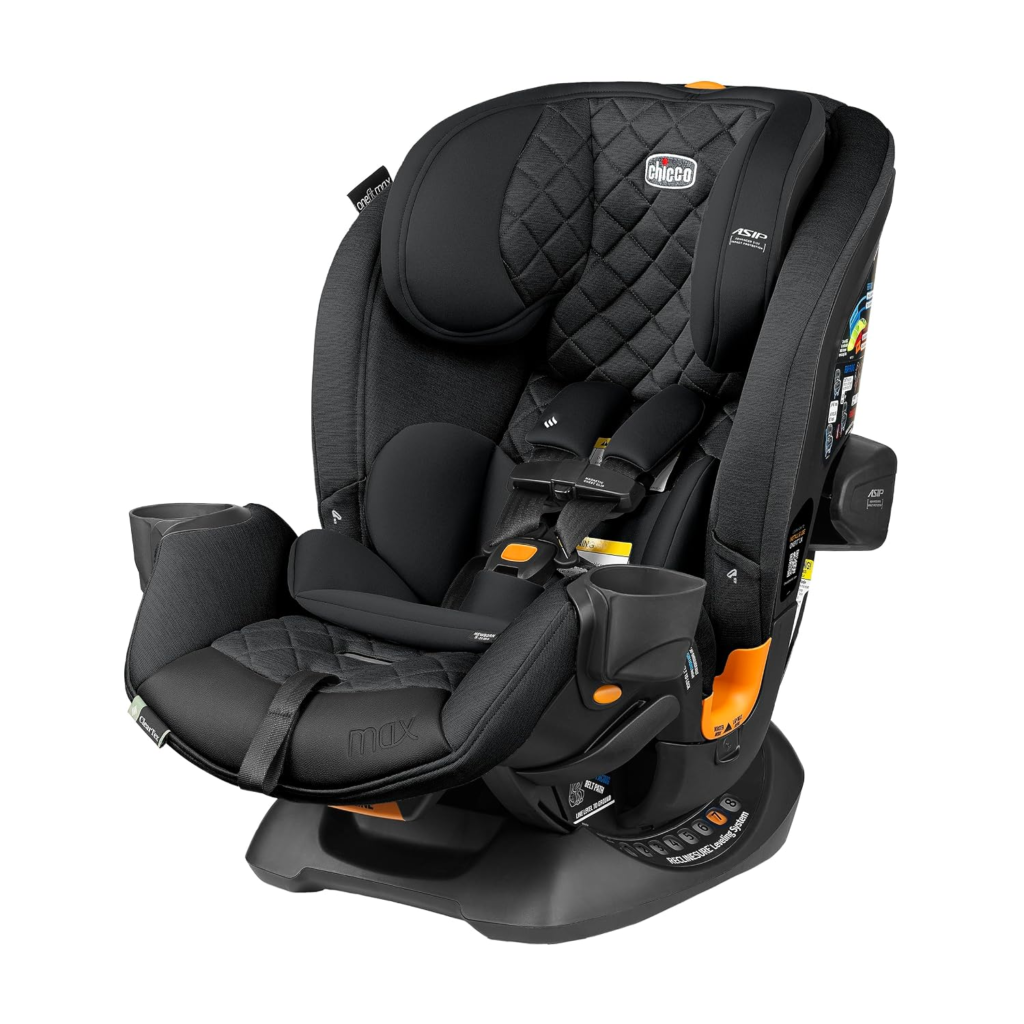
If you’ve done any car seat research at all, you’ve probably run into the advice to keep kids rear-facing as long as possible — and then hit the wall of most convertible seats maxing out around 40 lbs rear-facing. The NextFit Max exists for the parents who take that advice seriously and don’t want to switch seats to do it.
This is Chicco’s extended rear-facing convertible, and the rear-facing capacity is the entire point of buying it. Where the Fit360 gives you rotation and the Fit3x gives you width savings, the NextFit Max gives you time — more months of rear-facing before you’re forced to turn the seat around, which matters if your pediatrician or your own research points you toward extended rear-facing.
Installation runs through Chicco’s SuperCinch lower anchor tighteners, the same tightening mechanism used across the lineup, and a seat belt lock-off for vehicles or seating positions where LATCH isn’t practical. Lower anchors work up to 35 lbs rear-facing and 40 lbs forward-facing — after that, you’re installing with the vehicle belt regardless of which mode the seat is in. Multiple recline positions give you more flexibility than a single fixed recline angle, which matters in vehicles with unusually sloped seats where a rigid recline seat won’t sit correctly no matter how you install it.
The tradeoff is size. At roughly 19 inches wide, the NextFit Max is not a 3-across seat and isn’t trying to be — if that’s your constraint, the Fit3x is the right seat, not this one. It’s also a seat built to stay in one vehicle rather than travel between cars or through an airport regularly, though it is FAA-approved for use in harness mode if you do need to fly with it.
| Feature | Chicco NextFit Max |
|---|---|
| Seat Type | Convertible (rear- and forward-facing) |
| Rear-Facing LATCH Limit | Up to 35 lbs |
| Forward-Facing LATCH Limit | Up to 40 lbs |
| Width | ~19 inches |
| Installation | LATCH or belt with lock-off |
| Best For | Extended rear-facing, single-vehicle use |
| Not Ideal For | 3-across setups, frequent vehicle transfers |
Chicco KeyFit Max vs Chicco Fit360 Comparison
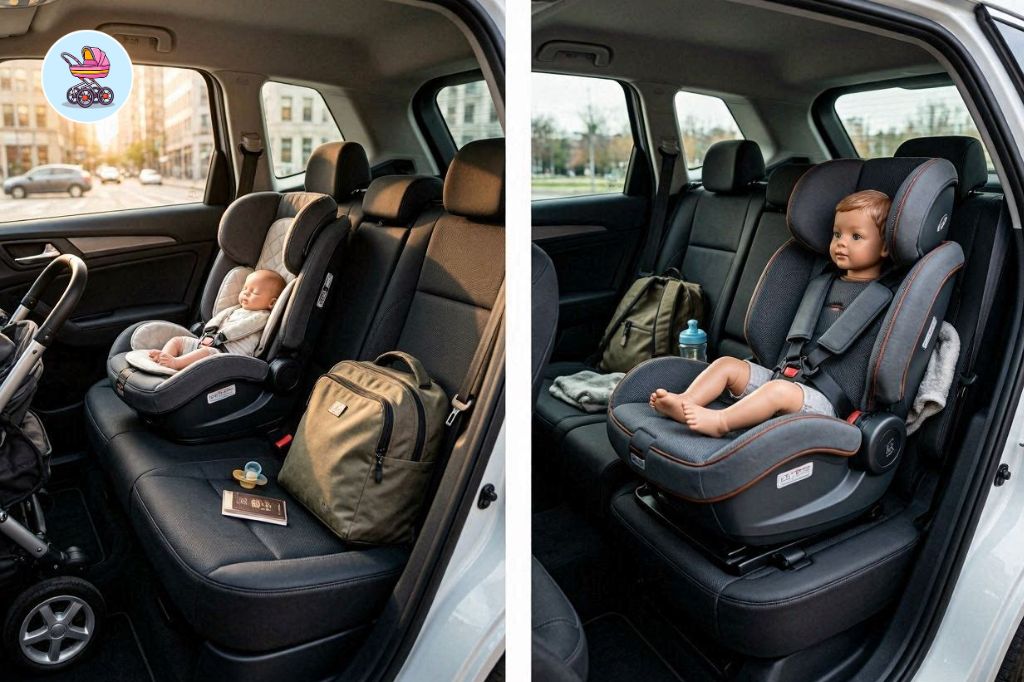
These two seats serve different parents at different stages, but they come up in the same conversation often enough to be worth comparing directly.
The KeyFit Max is built for the first year. It’s portable, travel-friendly, and designed to fit very small babies — including preemies — with a harness that starts low enough to work at 4 lbs. The no-rethread harness and anti-rebound bar are meaningful upgrades for an infant bucket, and the baseless installation option using European belt routing makes it a practical rideshare and airplane seat. You’ll outgrow it — typically around 12–18 months — but for that window, it does its job exceptionally well.
The Fit360 is built for the years after. You don’t carry it to the door and back; it lives in your vehicle. The rotation makes daily in-and-out smoother for heavier toddlers, and the extended rear-facing capacity means you can keep your child rear-facing longer without transitioning to a separate seat. It costs more upfront than the KeyFit Max and makes no sense as a travel seat — but for families who do the same car trip every day, that rotating mechanism pays for itself in back strain avoided.
| Feature | Chicco KeyFit Max | Chicco Fit360 |
|---|---|---|
| Seat Type | Infant (rear-facing only) | Convertible (rear + forward) |
| Portability | High | Low |
| Rotation | No | Yes (360°, locks) |
| Travel / Rideshare | Yes | No |
| Weight Range | 4–30 lbs | Birth through toddler |
| Usage Length | ~12–18 months | Several years |
| Best For | Newborns, travelers | Daily use, older babies |
Many families buy both — using the KeyFit Max for the first year, then transitioning to the Fit360. It’s more spending upfront, but it’s also using the right tool for each stage rather than compromising on both.
Chicco Car Seat Safety Standards & Crash Protection
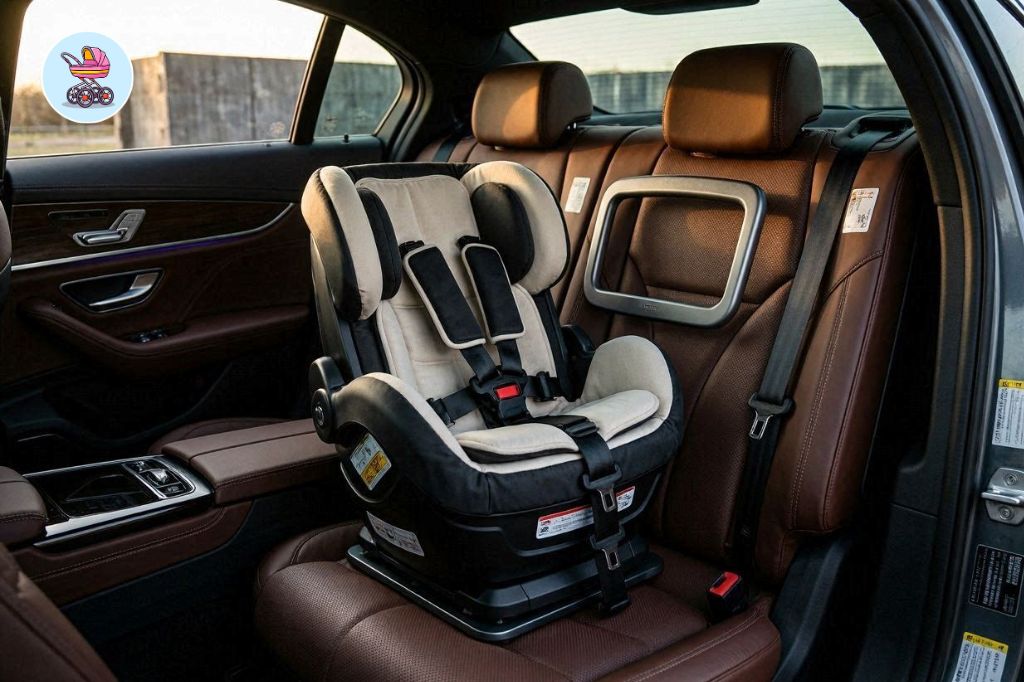
Every Chicco car seat sold in the USA meets or exceeds federal safety standards under FMVSS 213, and 2026 models include additional compliance with the updated FMVSS 213a side-impact testing requirements on applicable models like the Fit3x.
The anti-rebound bar is worth understanding mechanically, not just as a feature name. In a frontal collision — the most common type of serious crash — a rear-facing infant seat experiences rearward rotation due to inertia. The anti-rebound bar braces against the vehicle seat to limit that rotation, which reduces the forces transmitted to the child’s head and neck. It’s not a passive piece of metal; it’s doing active work during the crash.
Lower anchor connectors and steel-reinforced lockoffs prevent the seat from moving during impact rather than after it. A seat that shifts even a few inches during a crash changes the force trajectory on the child — which is why Chicco uses redundant anchoring rather than relying on a single attachment point.
Every Chicco model clearly displays its expiration date — on both the carrier and the base, not buried in the manual. The 6-year lifespan starts from the date of manufacture, and Chicco’s policy is to replace both the seat and base after any moderate or severe crash. For very minor incidents — a pothole, a slow parking-lot bump where crash forces didn’t transfer to the belt path — contact Chicco directly. They’ll help you determine whether replacement is required.
| Safety Element | What It Does |
|---|---|
| Anti-rebound bar | Limits carrier rotation in frontal crash |
| Steel-reinforced lockoffs | Prevents belt stretch over time |
| Lower anchor connectors | Redundant attachment, reduces shift during impact |
| Side-impact protection | Absorbs lateral crash energy |
| Clear expiration labeling | Easy to track 6-year replacement window |
| Crash replacement policy | Guidance on when to replace after accident |
For the most current recall status on any Chicco model, check the NHTSA recall database at nhtsa.gov rather than relying on secondhand reports.
Chicco Car Seat Installation Guide
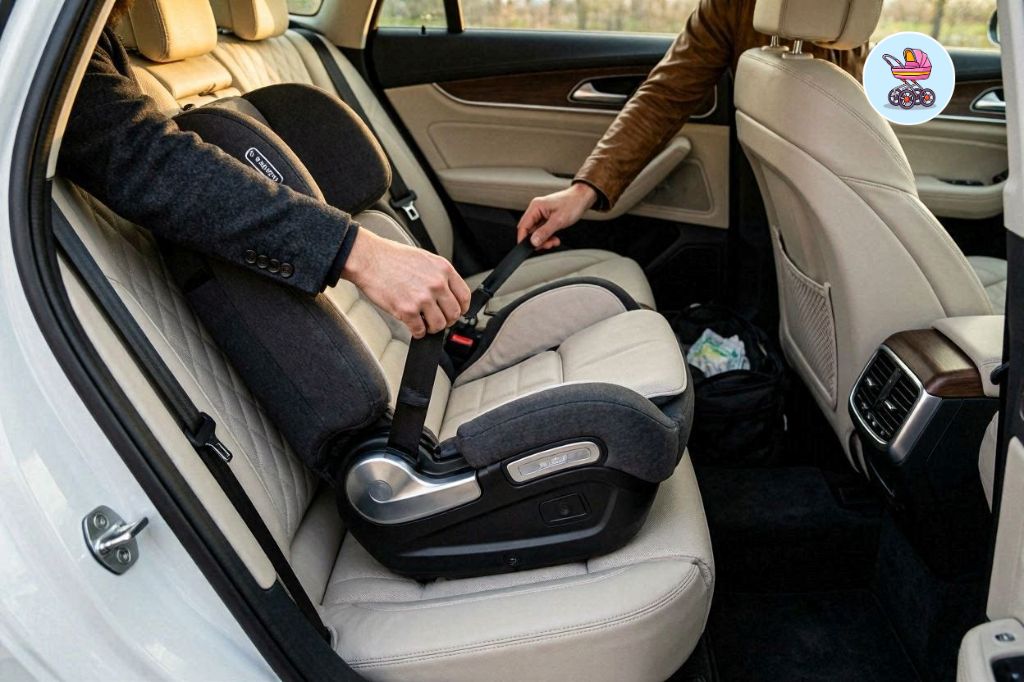
Getting a car seat installed correctly is more important than which specific seat you buy — and Chicco’s installation system is designed to make correct installation the path of least resistance.
LATCH and SuperCinch Installation
The SuperCinch LATCH system is the clearest example of Chicco’s installation philosophy. Most LATCH systems require you to attach connectors, then manually pull and re-pull the webbing until the base is tight. SuperCinch works differently: attach the lower anchor connectors, press down firmly on the center of the base, and pull the LATCH strap. The mechanism does much of the tightening work for you. When it’s right, you can feel it.
After tightening, grab the base at the belt path and try to move it side to side and front to back. Less than one inch of movement in any direction means you have a secure installation. Both bubble indicators should show the base within the allowable recline range. If you’re uncertain, bring it to a certified car seat check — many fire stations and children’s hospitals offer this for free.
Seat Belt Installation
When installing with the vehicle seat belt, thread the lap portion through the clearly marked belt path and buckle. Apply knee pressure to compress the base into the seat while pulling the slack out of the lap belt. Slide the shoulder portion into the steel-reinforced lockoff on the opposite side from the buckle. One lockoff, not both — a common mistake is using both lockoffs simultaneously, which is incorrect.
The lockoff’s steel reinforcement prevents it from deforming over time, which was a weakness in earlier plastic lockoff designs. Once the shoulder belt is locked, the installation should hold firm without additional tension applied.
Installing Without the Base: Euro Belt Routing Explained
The KeyFit Max’s European belt routing option is what makes it a genuinely useful travel seat — not just a seat that technically works without a base.
Here’s how it works in practice: the lap belt threads through the guides on top of the carrier and buckles normally. The shoulder belt then wraps around behind the carrier and slides into the Euro belt guide on the back of the seat, just below the release handle. That routing locks the carrier securely using both belt portions — more secure than lap-belt-only baseless installation.
If your vehicle’s seat belt isn’t long enough to wrap behind the seat, use just the lap belt through the top guides. The Euro method isn’t mandatory — it’s an upgrade when the belt length allows it. For vehicles with short seat belts, some parents find it easier to route the shoulder belt behind the carrier before buckling, rather than after.
Two non-negotiables: never attempt Euro routing while the carrier is on the base — it’s strictly for baseless installs. And always use the recline angle indicator on the side of the carrier (the red line) to confirm the seat angle when installed without the base. That line must be parallel to the ground.
How Chicco Seats Fit in Real Vehicles
Spec sheets don’t tell you what a seat does to front-seat legroom, or whether the base clears your particular vehicle’s seat shape. Here’s what installation actually looks like across common vehicle types.
In compact sedans, the KeyFit Max and KeyFit 35 work well because the base is relatively short front-to-back, which protects legroom for the driver or front passenger. In full-size SUVs and minivans with captain’s chairs, installation is typically straightforward with LATCH or the seat belt method, and the recline foot handles most angle variations without additional adjustment.
Two vehicle-specific situations to check before buying: Chicco has confirmed that the KeyFit Max cannot be installed using inflatable seat belts, which appear in some Ford, Lincoln, and Mercedes models. And in center-seat LATCH installations, Chicco only permits the setup when lower anchors have standard 11-inch spacing — so verify your vehicle manual before assuming that works.
For the Fit360, the rotating mechanism adds base bulk. In compact back seats, it can feel large. In full-size vehicles, the extra size is barely noticeable and the rotation earns its place every day. When in doubt, measure your available seat depth before purchasing.
You can find professional installation guidance at the NHTSA Car Seat Installation Help page or check the Car Seat Check locator to find a certified technician near you before you assume a center LATCH install is correct.
| Installation Type | Supported by Chicco |
|---|---|
| LATCH / SuperCinch | Yes — all models |
| Seat belt with lockoff | Yes — all models |
| Center LATCH (standard spacing) | Yes — verify vehicle manual |
| Baseless / Euro routing | Infant carrier models only |
| Inflatable seat belts | Not compatible — KeyFit Max |
Chicco Car Seat Size Guide: Which Seat at Which Age?
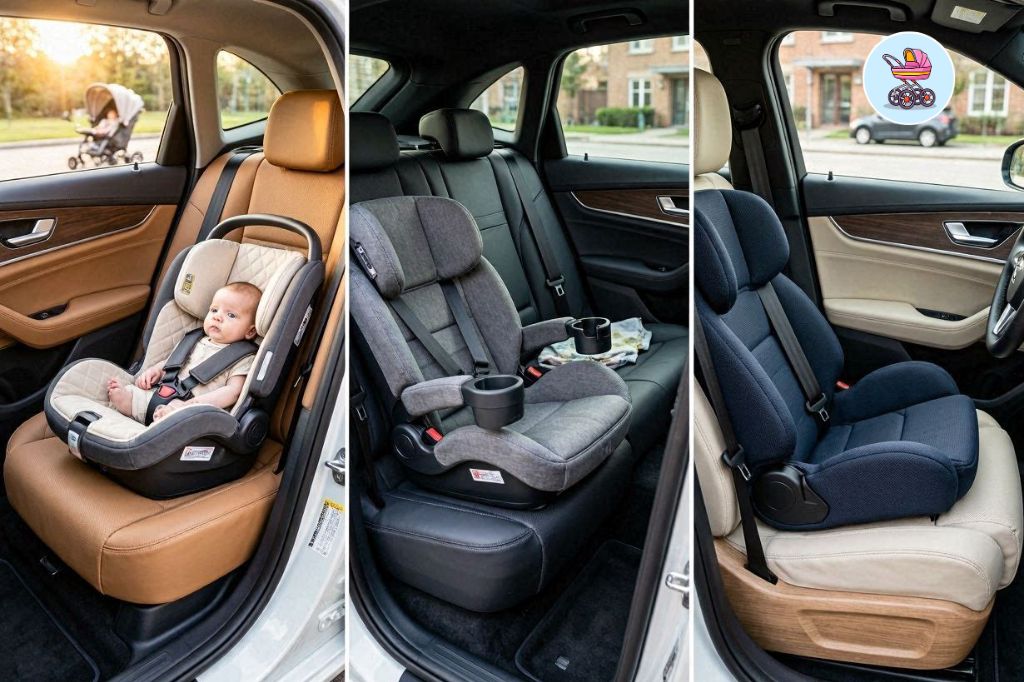
Which Chicco Car Seat by Age?
- Newborn to ~12–18 months (4–30 lbs, under 32″): Chicco KeyFit Max — rear-facing infant seat with newborn insert, anti-rebound bar, no-rethread harness
- Newborn to ~12–15 months (4–35 lbs, under 32″): Chicco KeyFit 35 — extended weight limit, strong value option
- ~12 months through preschool: Chicco Fit360 — rotating convertible, extended rear-facing then forward-facing
- Birth through booster (one-seat solution): Chicco Fit4 — covers all stages to 100 lbs
- 3-across or compact car: Chicco Fit3x — 16.7″ wide, designed to fit within a single vehicle seat
For newborns, including preemies, both KeyFit models accommodate babies as small as 4 lbs. The newborn insert positions very small infants correctly in the harness — but it must be removed when the child reaches 11 lbs. Don’t delay removing it, or the harness will no longer fit properly.
One adjustment that makes a meaningful difference in the early weeks: remove the harness covers. The padding adds thickness around the straps, which can prevent a genuinely snug fit on a very small baby. Once your child has more body mass, putting the covers back is fine. But in those first few weeks, direct strap-to-body contact gives you a more accurate tightness check.
As babies grow, the no-rethread harness on the KeyFit Max adjusts with the headrest — no rethreading required. For the KeyFit 35, harness height adjustments do require rethreading, so stay attentive to harness position relative to your child’s shoulders. The harness should come from at or below the shoulders in rear-facing mode.
Convertible models like the Fit360 extend rear-facing capacity well into toddlerhood, which aligns with current pediatric recommendations to keep children rear-facing as long as the seat’s limits allow. For families considering rear-facing limits beyond typical infant seats, the convertible models offer significantly higher weight ceilings.
Pros and Cons of Chicco Car Seats
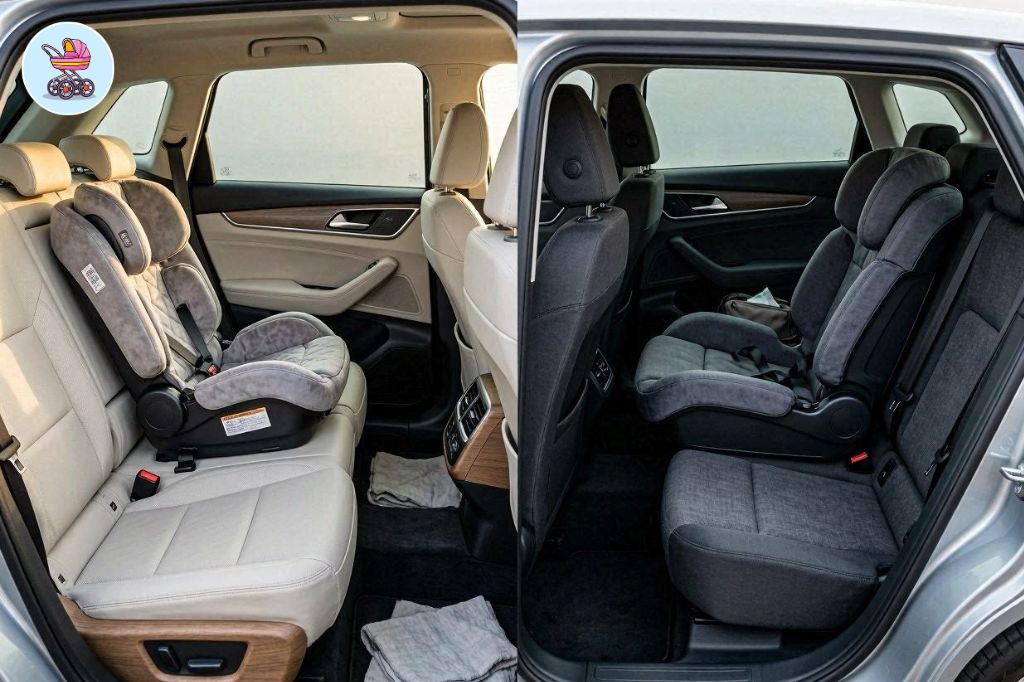
Chicco’s strengths are consistent across the lineup, but they’re worth naming specifically rather than listing them as marketing points.
The installation system is the biggest genuine advantage. The combination of bubble level indicators, SuperCinch LATCH, and adjustable recline foot removes most of the guesswork that causes car seat misuse. That directly affects how well the seat protects your child in a crash — it’s not a convenience feature, it’s a safety feature.
The no-rethread harness on the KeyFit Max is a real improvement over what came before it. Parents who have rethreaded harnesses on older models know exactly how easy it is to let a child ride in a harness that’s too low or too high because the adjustment is annoying. The Max eliminates that friction.
ClearTex fabric across multiple models means no added flame-retardant chemicals. For parents who’ve researched flame-retardant-free car seat options and found the list short, Chicco’s broad adoption of ClearTex materials is a meaningful differentiator.
On the other side: a few real drawbacks are worth knowing before you buy.
At 10 lbs, the KeyFit Max carrier is on the heavier end for an infant bucket. Over months of daily use, that weight becomes noticeable — especially for shorter parents or those with wrist or back issues. Lighter infant seats exist, though most trade away features Chicco includes.
Removing the KeyFit Max cover for washing is harder than the seat’s overall ease-of-use suggests. Getting the fabric off around the harness adjuster housing and headrest takes effort, and reconnecting the elastics around the handle hubs after washing requires a specific order (canopy up first, then connect the elastics — remember that one). It’s manageable, but it’s not a one-minute job.
Watch for harness twist at the hip on the KeyFit Max. The buckle tong opening is slightly narrower than the strap width, which causes the edges to curl slightly as the strap passes through. If you grab the buckle tong quickly and pull, the strap twists. Slow and deliberate prevents it — just don’t rush the buckle.
The Fit360 is less portable than the KeyFit Max, which isn’t a surprise given its size — but parents who assumed a convertible would be reasonably movable between vehicles sometimes find the reality inconvenient. It’s a plant-it-and-leave-it seat, not a carry-it-around seat.
| Aspect | Parent Experience |
|---|---|
| Installation ease | Excellent across all models |
| Safety features | Very strong |
| Newborn fit | Excellent — accommodates preemies |
| Portability | Varies: infant seats high, convertibles low |
| Cover washing | Manageable, but not quick on KeyFit Max |
| Weight (KeyFit Max carrier) | 10 lbs — heavier than some competitors |
Where to Buy Chicco Car Seats and How to Save Money
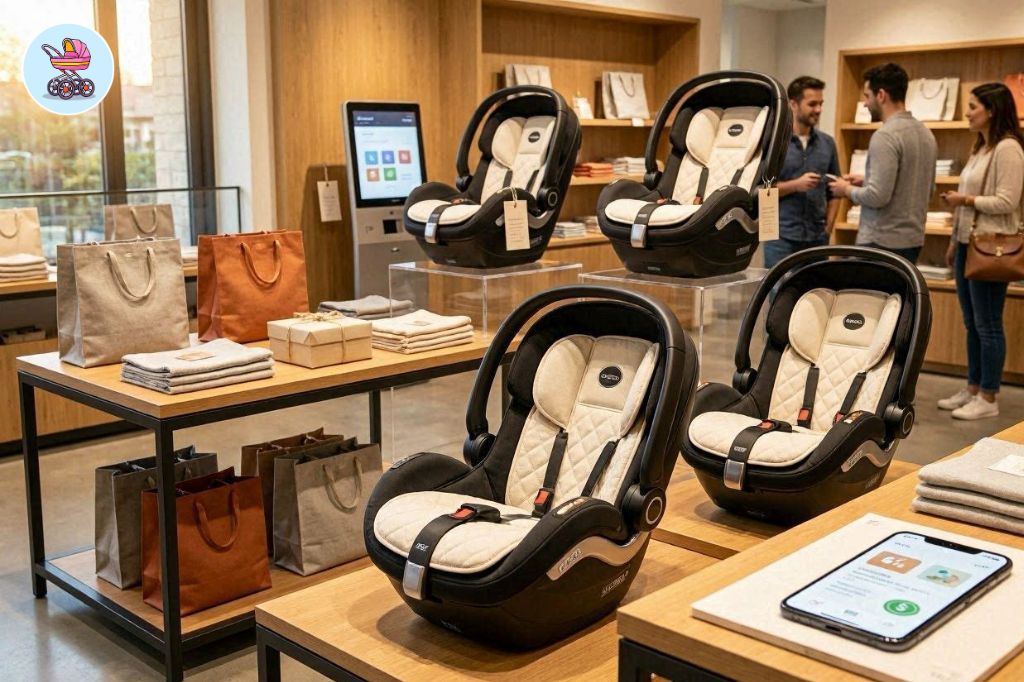
The best time to buy a Chicco seat is during Amazon Prime Day, typically in July, or Black Friday. Both events consistently bring 15–25% off infant and convertible seats. Target’s baby sale events and Chicco’s own website occasionally match or beat those discounts, particularly on outgoing cover colorways.
One underused strategy for two-car households: buy one seat and one additional base separately, rather than two complete travel systems. The KeyFit Max base sells on its own for around $145 — substantially less than duplicating the full seat. The base is the installation component; the carrier is what moves between vehicles. You get the same safety either way, and you keep one carrier moving between both cars with two permanent base installations.
For the Fit360 and all-in-one models, bundles with compatible strollers occasionally appear during sale events. Pairing an infant seat with a Chicco stroller in a bundle typically saves more than buying separately, and the stroller compatibility is seamless without adapters.
Always confirm you’re buying from an authorized Chicco retailer. Third-party marketplace sellers occasionally list seats that are past their expiration date or have been in a prior crash. Check the seller’s authorization status before purchasing, and look for the manufacture date label on the seat when it arrives.
Final Verdict — Is a Chicco Car Seat Worth Buying?
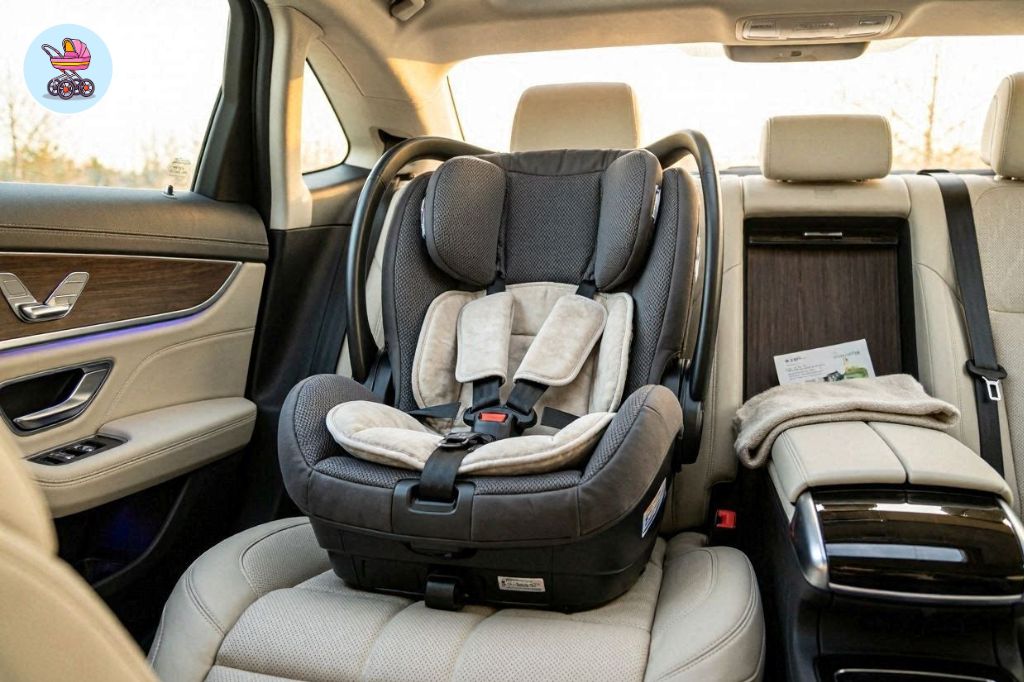
The short answer is yes — but the more useful answer is which one.
If you’re bringing home a newborn and want the seat that child passenger safety technicians recommend most and that installs correctly the first time, get the KeyFit Max. The anti-rebound bar and no-rethread harness are genuine upgrades over older models, and the baseless installation option makes it flexible enough to survive rideshares, taxis, and flights. If the KeyFit Max’s price is a stretch, the KeyFit 35 is nearly as good and costs less. Both will serve a newborn exceptionally well through the first year.
If your child is past the infant stage or you’re looking for a seat that will handle daily in-and-out for the next few years, the Fit360’s rotation feature is worth the premium over a standard convertible — particularly for parents who do the same routine drop-off twice a day or anyone dealing with back pain. It’s not portable, and it’s not travel-friendly. But for what it’s actually designed to do — live in one vehicle and make daily use easier — it does that job well.
If rotation isn’t what you’re after and your only priority is keeping your child rear-facing as long as possible without switching seats, the NextFit Max does that job at a lower price than the Fit360 — you’re trading the door-swing convenience for a more affordable extended rear-facing seat.
For families who want to buy one seat and stop thinking about it, the Fit4 or Fit3x makes that math work. The Fit3x adds the slim-width advantage for tight vehicles or 3-across configurations. The Fit4 offers a slightly higher rear-facing weight limit. Pick based on your vehicle constraints.
Chicco seats aren’t the lightest option on the market. They’re not the cheapest. But they are consistently among the easiest to install correctly — and in car seat safety, correct installation is the variable that matters most. The engineering behind that ease isn’t accidental. It reflects a deliberate priority that shows up across every model in the lineup.
For most families in the USA, that makes a Chicco car seat worth buying.
FAQs Chicco Car Seat
1. Is Chicco a good brand of car seat?
Yes, and for a specific reason: Chicco seats are consistently among the easiest to install correctly, and installation accuracy directly affects crash protection. Studies show up to 59% of car seats are installed incorrectly in real-world use. Chicco’s design — bubble level indicators, SuperCinch LATCH, adjustable recline foot — reduces that risk across the lineup.
2. Are Chicco car seats better than Graco?
Both brands are reputable and safe when installed correctly. Chicco typically earns higher marks for installation ease and premium features like the SuperCinch LATCH and anti-rebound bar. Graco offers a wider range of price points and generally more stroller compatibility across brands. The better choice depends on your vehicle, your child’s size, and what features matter most to your daily routine.
3. What is the #1 rated Chicco car seat?
Ratings vary by source and category, but the Chicco KeyFit Max currently leads for infant seats — particularly for installation ease, newborn fit, and travel flexibility. For convertible seats, the Fit360 leads among rotating options. For all-in-one value, the Fit4 or Fit3x depending on vehicle constraints.
4. What is the difference between the Chicco KeyFit Max and the KeyFit 35?
The KeyFit Max is newer and adds three meaningful upgrades over the KeyFit 35: a no-rethread harness, an integrated anti-rebound bar, and a higher harness position ceiling. The KeyFit 35 still supports a slightly higher weight limit — 35 lbs vs. 30 lbs on the Max. If budget allows, the Max’s anti-rebound bar and no-rethread harness are worth the price difference. If budget is a constraint, the KeyFit 35 remains a strong, widely recommended seat.
5. Can I use a Chicco car seat with a non-Chicco stroller?
Yes, depending on the stroller brand. Many stroller manufacturers offer Chicco-compatible adapters. Chicco seats click directly into any compatible Chicco stroller without adapters. For other brands, check the stroller manufacturer’s adapter compatibility list before assuming it works — compatibility isn’t universal.
6. How long can my baby stay in a Chicco infant car seat?
The KeyFit Max and KeyFit 35 have a height limit of 32 inches and weight limits of 30 and 35 lbs respectively. Most babies reach the height limit before the weight limit — typically between 12 and 18 months. Once your child’s head is within 1 inch of the top of the shell, it’s time to move to a convertible seat regardless of weight.
7. Is the Chicco Fit360 worth it over a regular convertible?
It depends on your daily routine. The rotating feature has real value if you have back pain, a tight parking spot, or a toddler who resists being lifted in. If none of those apply and you’re installing in a spacious vehicle with a cooperative child, a standard convertible at a lower price point does the same safety job. The Fit360 is worth its premium when the rotation is something you’ll actually use every day — not as a nice-to-have.
8. Which Chicco car seats are flame-retardant free?
Models using ClearTex fabric — including the KeyFit Max ClearTex, KeyFit 35 ClearTex, and Fit3x — are made without added flame-retardant chemicals. The Fit3x is also GREENGUARD Gold Certified, meaning it has been independently tested for low chemical emissions. Always verify the specific model variant, as some cover options within a model line may differ.
9. What should I do if my Chicco car seat was in a crash?
Chicco’s policy is to replace both the seat and the base after any moderate or severe crash. For very minor incidents — a slow parking-lot tap or a pothole where crash forces didn’t transfer to the belt path — contact Chicco directly rather than making that call yourself. Their customer service team will help you assess whether replacement is required. Don’t guess on this one.
10. Is Chicco safe for newborns and preemies?
Yes. The KeyFit Max and KeyFit 35 both accommodate babies as small as 4 lbs, and the newborn insert positions very small infants correctly within the harness. The low harness slot height — lower than many competing infant seats — means the harness can fit babies who would sit too short in other seats. For parents expecting a premature birth or multiples, both seats are consistently recommended by CPSTs for exactly this reason.
11. Does Chicco replace car seats after an accident?
Yes, under Chicco’s crash replacement policy. Replacement is advised after any moderate or severe crash. For ambiguous situations — very minor impacts — contact Chicco’s customer service or reach out through their social channels. They’ll assess based on the specifics rather than requiring automatic replacement for every incident.
12. What car seats were recently recalled?
Recalls change frequently. Always check the NHTSA recall database at nhtsa.gov for the most current information on any Chicco model. Do not rely on secondhand reports or social media for recall status — go to the official database directly.
13. How do I know when my Chicco car seat expires?
Chicco labels the expiration date on both the carrier and the base — not just in the manual. The lifespan is 6 years from the date of manufacture for infant seats. Look for the label on the underside of the carrier and on the base itself. Chicco is notably clearer about this than many competitors who bury the date in a location that’s difficult to find.
14. Is the Chicco Fit3x good for 3-across configurations?
It’s one of the best options currently available for 3-across — see our full breakdown in Struggling With Three Car Seats Across? for vehicle-specific fit guidance. At 16.7 inches wide, it’s narrow enough to sit fully within one vehicle seat, which is the core requirement for tight across-seat configurations. That said, 3-across success always depends on your specific vehicle and the other seats alongside it. Measure before committing.
15. Is Chicco owned by Graco?
No. Chicco and Graco are separate companies. Chicco is part of the Artsana Group, an Italian company. Graco is owned by Newell Brands, an American consumer goods company.
6 Responses