Disclosure: This article contains Amazon affiliate links. As an Amazon Associate, I earn from qualifying purchases.
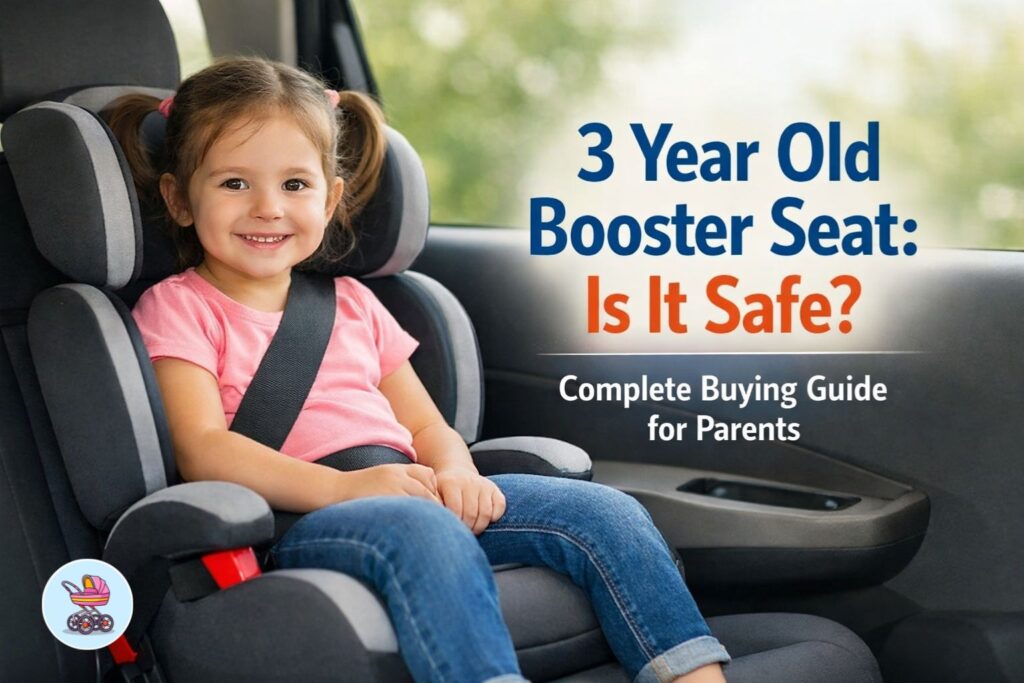
Your 3-year-old just hit 40 pounds and every store display makes booster seats look like the obvious next step. Don’t switch yet.
In most states, putting a 3-year-old in a booster seat isn’t just risky — it’s against the law, and for good reason. A booster seat only works if a child can sit still, upright, with the seat belt sitting exactly where it should for an entire car ride. Almost no 3-year-old can do that consistently, no matter how big they are for their age.
Below, we’ll walk through why boosters aren’t built for this age, what the actual weight and maturity numbers say, and which car seats are the safer bridge until your child is really ready.
Table of Contents
Can Use a 3 Year Old Booster Seat?
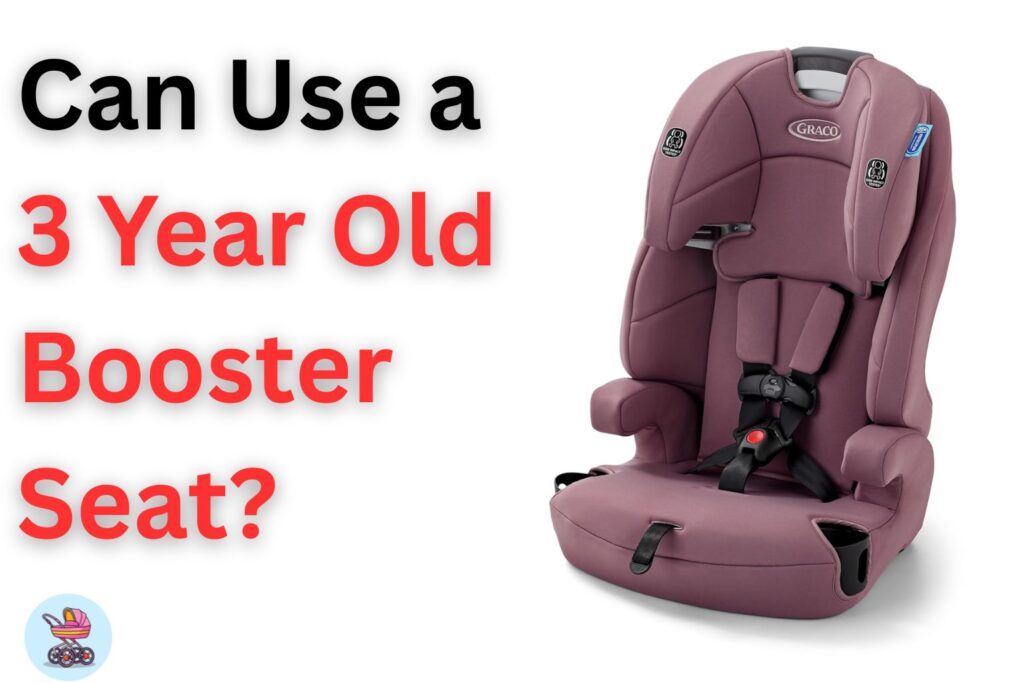
Short answer: technically some seats allow it by weight, but almost no safety expert recommends it. Most three-year-olds simply can’t hold still through a whole car ride — and a booster only protects a child who stays in the right position the entire time.
A booster works by lining up the lap belt across the hips and the shoulder belt across the chest. The second a child slumps, twists, or falls asleep sideways, that belt can slide up onto the stomach — and that’s where seat belt injuries happen in a crash. Until your child can consistently sit like an adult passenger, a forward-facing harness car seat does a better job of holding them in place regardless of how they move.”
(anchor text: “forward-facing harness car seat” → https://careforcuties.com/rear-facing-to-50-pounds/)
Recommended Age for Booster Seats
Most manufacturers set 4 to 5 years as the earliest starting point, and many child passenger safety technicians push that even later — 6 or 7 is common for kids who are still fidgety. It’s also worth knowing that in many U.S. states, putting a child under the manufacturer’s minimum age or weight in a booster is a citable offense, not just a safety suggestion — so check your state’s car seat law alongside the seat’s own manual.
Recommended Weight and Height Requirements
Most boosters list a booster seat minimum weight 40 lbs, but weight alone isn’t enough. Proper height and posture are essential for child car crash protection.
The following table explains common safety recommendations used across the United States.
| Requirement | Typical Recommendation |
| Minimum age | 4–5 years |
| Minimum weight | 40 lbs |
| Seat belt type | lap and shoulder seat belt |
| Behavior requirement | child sitting properly in booster |
| Safety priority | proper booster seat positioning |
A 3 year old booster seat situation rarely meets all these factors at once. That is why experts emphasize evaluating development instead of rushing the transition.
Why Most Safety Experts Say No to 3 year old booster seats
Preschoolers wiggle. That’s not a discipline problem — it’s just where they are developmentally. A sudden stop can throw a slouched or twisted child forward before the belt has a chance to catch them properly.
That’s the core difference between a harness and a booster. A harness has its own straps that hold the torso in place no matter what the child does. A booster has none of that — it just repositions the vehicle’s own belt, and it only works if the child cooperates.
As one child passenger safety technician put it to us: a booster doesn’t hold your child in the seat, it just helps the belt fit if they’re sitting right. That’s a big “if” for a three-year-old.
If you’re comparing seats that keep kids harnessed longer, the Evenflo Revolve 360 is a solid extended-harness option worth a look.
Here’s the section with your added information integrated naturally:
Is It Actually Illegal for a 3-Year-Old to Use a Booster?
Yes, in most cases. Nearly every state ties booster seat use to the manufacturer’s own minimum age and weight requirements — so if the seat says 4 years and 40 lbs minimum, putting a younger or lighter child in it isn’t just unsafe; it can also get you a ticket during a traffic stop.
A few states allow booster use starting at a lower age if a child meets the weight cutoff, but that’s the exception, not the rule. Before you buy anything, check your state’s exact child passenger safety law — requirements can vary by state and may be updated over time.
The safest approach is to follow both the car seat manufacturer’s minimum requirements and your state’s current child passenger safety law before moving a 3-year-old into a booster.
What Is a Booster Seat and How Does It Work?
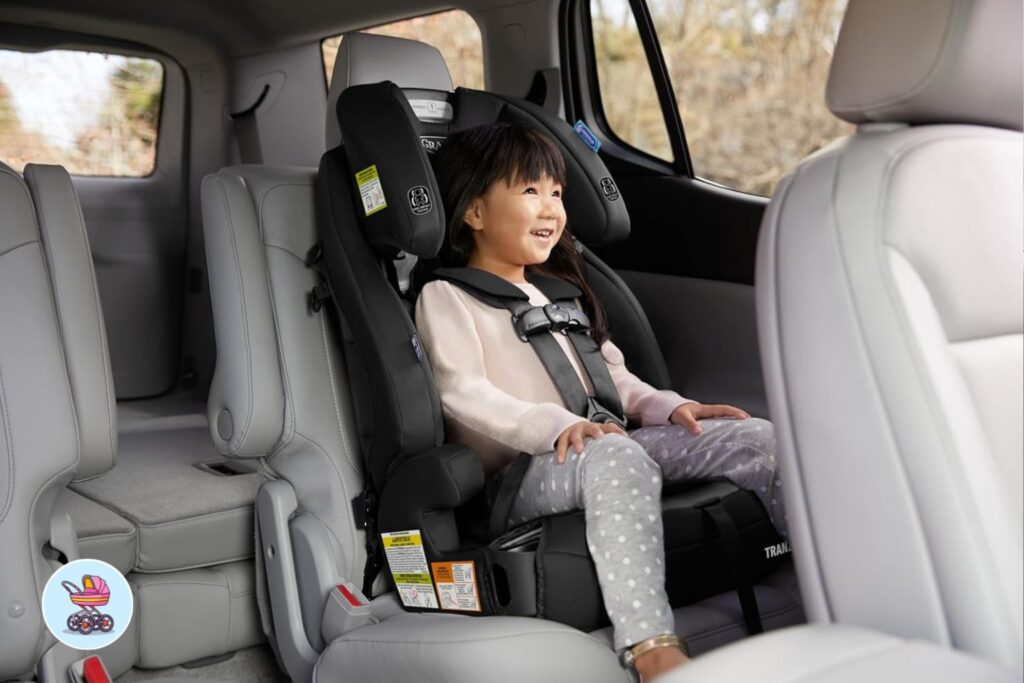
A 3 year old booster seat often confuses parents because it does not restrain a child like a harness seat. Instead, a belt positioning booster seat raises the child so the lap and shoulder belt fit correctly, improving child passenger safety. When used properly, the lap belt rests on strong bones and the shoulder belt crosses the chest, reducing seat belt injury risk. Experts, including NHTSA child passenger safety and car seat safety experts, recommend younger children remain in a forward facing car seat with harness until they meet proper booster seat age requirements.
How Booster Seats Position the Seat Belt
Boosters lift the child so the lap belt sits on the upper thighs, not the stomach, while the shoulder belt rests across the chest. This ensures proper seat belt positioning for child car crash protection. Without correct height, belts may slide onto the abdomen, increasing injury risk.
Many travel systems still use infant seats before boosters, like the Chicco Bravo Trio Travel System, which carries a child through several restraint stages before a booster is even on the table.
How Boosters Protect Kids During a Crash
A booster does not absorb crash energy the way a harness seat does. Instead it ensures the lap and shoulder seat belt distributes force across the strongest bones in the body. This improves crash protection for children by reducing pressure on the abdomen and spine.
Experts often compare the difference between a belt fit booster seat and a harness system. In a booster, the belt becomes the primary restraint. In a harness seat, the built-in straps spread crash forces across the shoulders and hips. That difference explains why many child car seat safety experts prefer harness systems for younger children.
The table below shows how each seat type protects children.
| Safety Feature | Booster Seat | Harness Car Seat |
| Restraint system | Vehicle belt | Built-in harness |
| Body control | Child must stay still | Seat holds the child |
| Crash force distribution | Through belt | Through harness |
| Best age range | Older kids | Toddlers and preschoolers |
Parents looking for safer harness options can explore the Graco SlimFit3 LX review — it’s a good example of a seat built for extended harness use instead of an early booster switch.
Why Booster Seats Are Different From Harnessed Car Seats
The main difference in harness vs booster seat safety is in how children are restrained. A harness seat uses straps across the shoulders, hips, and between the legs, providing strong child car crash protection and proper booster seat positioning even if a child moves. A booster relies on the child staying still, and leaning can cause booster seat misuse and unsafe belt fit. Experts suggest using an extended harness car seat, convertible car seat, or all-in-one car seat before switching a 3-year-old to a booster.
These seats support multiple stages and delay the need for a booster until children meet the right weight and maturity level for one.
What’s the Difference Between a Car Seat and a Booster Seat?
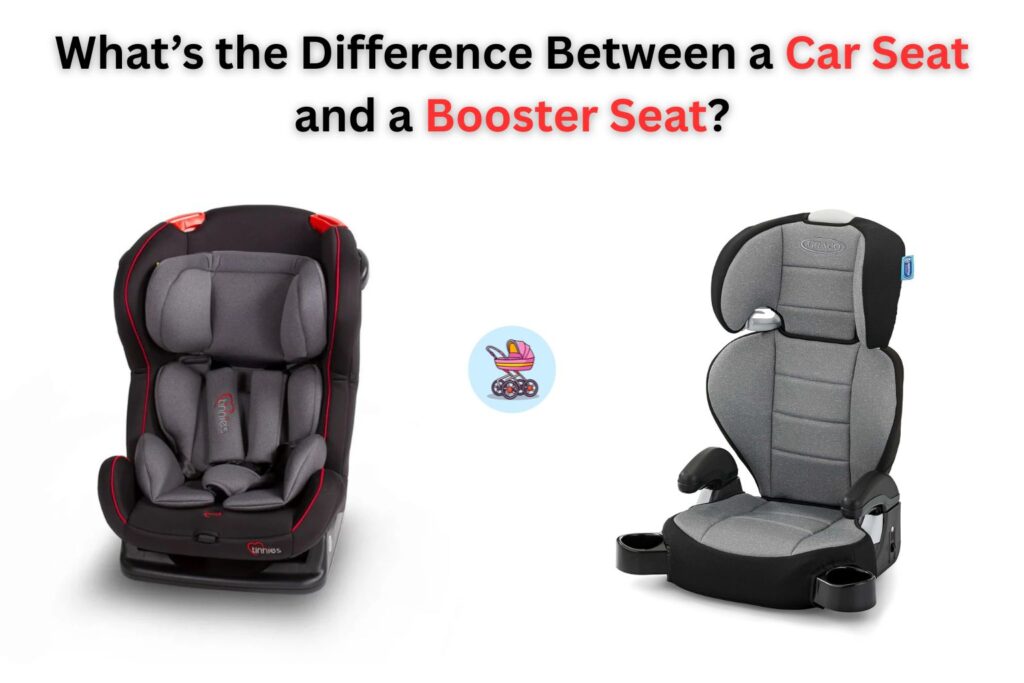
Parents who search for a 3 year old booster seat often believe boosters are simply the next step after toddler seats. In reality the difference between a car seat and a booster seat is significant. Car seats are active restraint devices while boosters are positioning tools within the broader child restraint safety system.
Car seats are designed to hold the child securely during impact. They manage energy forces and reduce movement during collisions. Boosters only improve vehicle seat belt fit for kids and depend heavily on proper behavior and posture. That difference directly affects child passenger safety.
Understanding the contrast between these systems helps answer common questions like is a booster seat safe for a 3 year old or when should kids move to booster seat systems.
Harness Car Seats Explained
A harness seat uses straps across the shoulders, hips, and crotch area to form a secure 5 point harness car seat design. This system keeps the child properly positioned even if they fall asleep or move during travel. The harness distributes impact forces across strong parts of the body which improves crash protection for children.
Many families prefer an extended harness car seat because it keeps kids protected longer before a booster is even a conversation. The Britax One4Life Slim ClickTight is a good example — it follows strict weight and height limits designed to delay booster use until a child truly meets the maturity bar.
Booster Seats Explained
A booster seat is simpler in design. It raises the child so the vehicle’s lap and shoulder seat belt fits correctly. This type of seat is often called a seat belt positioning booster or belt fit booster seat because its only purpose is adjusting belt alignment.
Boosters work best for older children who can sit upright without leaning or slouching. Younger kids often experience the booster seat slouching problem, which leads to incorrect shoulder belt placement and dangerous seat belt injury risk.
Many parents researching booster seat for preschoolers discover that boosters function best after children grow beyond toddler seats and demonstrate stable sitting behavior.
Which One Is Safer for Younger Kids?
Safety data consistently shows that harness seats offer better protection for younger children. Because the harness holds the body firmly in place, it prevents dangerous movement during a crash. This protection is essential for preschool children who cannot always maintain child sitting properly in booster posture.
Experts from NHTSA child passenger safety programs recommend delaying booster use whenever possible. A forward facing harness car seat or combination car seat typically provides better protection than a 3 year old booster seat.
The comparison table below summarizes the safety difference.
| Feature | Harness Car Seat | Booster Seat |
| Body restraint | Built-in harness | Vehicle belt |
| Best for toddlers | Yes | No |
| Behavior requirement | Minimal | High |
| Injury protection | Higher | Depends on posture |
Parents exploring different travel gear for children can also check stroller compatibility and travel solutions in our affordable car seat and stroller guide — combining the right car seat with a stroller system makes everyday travel easier.
Why a 3 Year Old Should NOT Use a Booster Seat
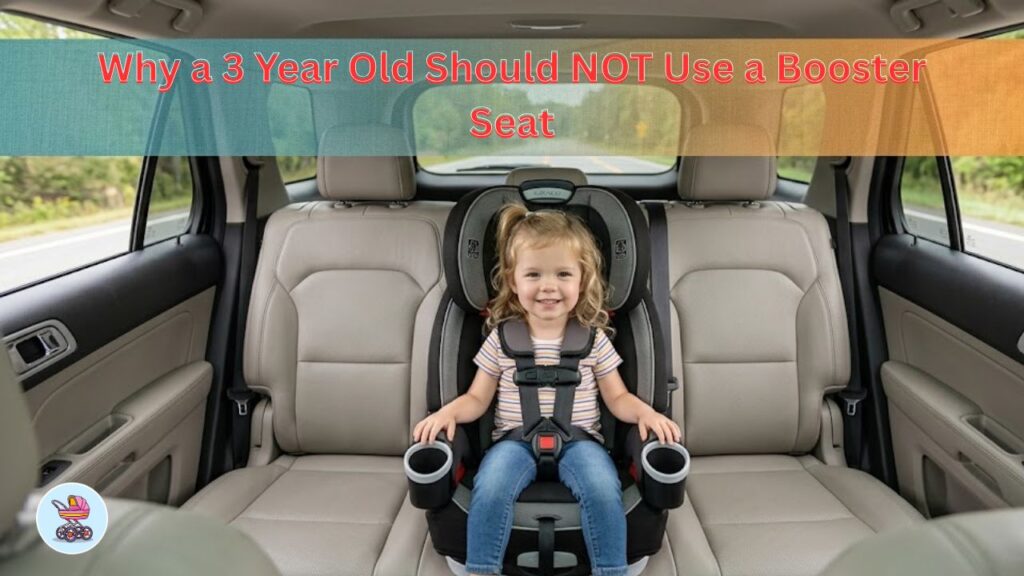
Many parents consider a 3 year old booster seat when their child outgrows a toddler seat, but size can be misleading. Most preschoolers lack the maturity and child car restraint system readiness for safe booster use. Experts recommend extended use of a forward facing car seat with harness. Early transition risks seat belt injury, as leaning or slouching shifts the lap and shoulder belts, reducing child car crash protection. This is one of the most common booster safety mistakes.
Lack of Body Control and Maturity
Young children rarely sit still for long periods. A preschool child may twist to reach toys, lean sideways to talk to siblings, or slide forward while sleeping. These normal behaviors make it difficult to maintain proper booster seat positioning during a trip.
Boosters depend on child sitting properly in booster posture the entire time the vehicle moves. If posture changes, the belt slides out of its safe path. This is why experts discuss booster seat maturity requirements before recommending a transition. In most cases a 3 year old booster seat does not meet these maturity standards.
Parents researching safety often compare harness seats designed for longer use — the Evenflo Revolve 360 Extend is one example. Seats like this actively secure a child’s body instead of relying on belt positioning alone.
Risk of Slouching or Leaning Out of Position
One of the most common problems seen by technicians is the booster seat slouching problem. A tired child may slide forward or bend sideways while sleeping. When this happens, the lap belt moves upward across the stomach instead of the thighs.
This situation increases the chance of serious abdominal injuries during a crash. It also reduces crash protection for children because the belt no longer sits across the strong hip bones. Another frequent issue involves kids leaning out of booster seat positions to look out windows or grab objects.
Safety programs that follow NHTSA child passenger safety training highlight these posture issues as major reasons why a 3 year old booster seat transition is discouraged.
Seat Belt Fit Problems for Small Children
Even if a child sits still, body size can still create problems. Many younger children simply do not fit standard vehicle belts correctly. Their hips are too narrow and their shoulders too low for safe vehicle seat belt fit for kids.
When a belt does not fit properly, it fails to provide reliable proper seat belt positioning. Instead of lying flat across the thighs and chest, the belt may ride across the stomach or neck. Both situations increase the chance of seat belt injury risk during impact.
The table below shows how belt fit changes with age and size.
| Child Size | Belt Position Result |
| Small preschool child | Belt touches stomach |
| Growing school-age child | Belt aligns with hips |
| Older child | Proper adult belt fit |
Because of these fit challenges, experts often recommend seats that extend harness use longer. Our Graco Turn2Me vs Evenflo Revolve 360 comparison breaks down two options that support higher weight and height limits, so kids stay safely restrained longer.
These systems support higher car seat weight limits and car seat height limits, allowing children to remain safely restrained.
Safety Recommendations From Experts
Safety organizations consistently advise delaying booster use for younger children. The American Academy of Pediatrics car seat guidelines recommend that children remain in a harness seat for as long as possible within manufacturer limits. This approach provides better child car crash protection than early booster use.
Technicians trained as certified child passenger safety technician specialists also report that early booster use leads to frequent booster seat misuse. Common errors include incorrect belt routing, poor posture, and unsafe positioning during sleep.
Parents who want deeper insight into car seat design and extended harness options can browse our full car seat review collection — it’s a good way to compare options before rushing into a booster too early.
Here’s what this looks like in practice: a 3-year-old who’s tall enough to ‘graduate’ to a booster still falls asleep on long drives, still twists around to see a sibling, still slides down in the seat during a boring stretch of highway. None of that is a discipline issue — it’s just being three. A harness seat holds a child in place through all of that. A booster doesn’t.
When Is It Safe to Move Your Child to a Booster Seat?
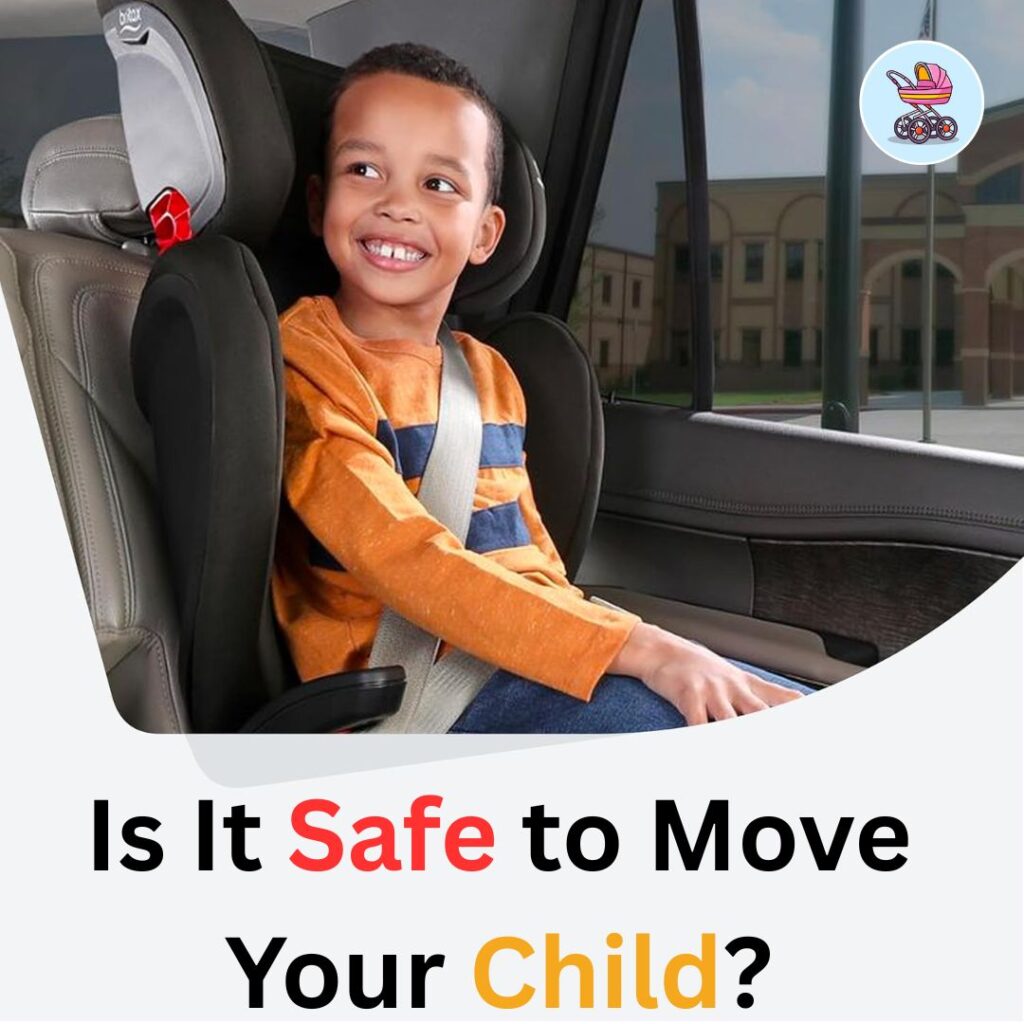
The question “when should kids move to booster seat” appears frequently in parenting communities. The answer depends on several factors including age, weight, height, and behavior. Experts stress that a booster should be introduced only after children outgrow a harness seat and can maintain proper booster seat positioning during the entire trip.
A safe transition usually occurs after the child meets all booster seat age requirements and reaches the correct booster seat weight limit. Even then, families should confirm that the child can maintain child sitting properly in booster posture without leaning or slouching.
Parents looking for seats that delay booster use may want to explore convertible models like the Britax Poplar — it extends harness use and helps keep kids properly restrained a little longer.
Typical Age for Booster Seats
Most safety organizations suggest moving to a booster between ages five and seven. This recommendation answers the common search about booster seat age 4 or 5 and explains why younger children often remain safer in a harness seat.
During these years, children develop stronger posture control and better understanding of safety rules. They can remain seated upright and maintain proper seat belt positioning throughout a car ride. This maturity is essential for safe booster use.
A 3 year old booster seat situation rarely meets these conditions. That is why many experts recommend waiting until the child clearly demonstrates the required maturity.
Weight and Height Requirements
Booster readiness depends heavily on body size. Most manufacturers require a booster seat minimum weight 40 lbs before a booster can be used safely. Children must also meet specific car seat height limits to ensure proper belt alignment.
The table below shows typical booster readiness guidelines used by many seat manufacturers.
| Requirement | Typical Value |
| Minimum weight | 40 pounds |
| Recommended age | 5–7 years |
| Seat belt type | lap and shoulder seat belt |
| Behavior | Stable posture |
Parents asking about a booster seat for 30 pound child should avoid booster use until the child reaches the recommended size and maturity levels.
Signs Your Child Is Ready
A child ready for a booster stays upright, follows instructions, and doesn’t need constant reminders to sit properly. The lap belt should rest across the thighs and the shoulder belt across the chest — if either keeps sliding, they’re not ready yet. Parents outfitting a full nursery-to-car setup can also check our best stroller for newborn guide for a complete mobility plan that grows with the child.
Types of Booster Seats
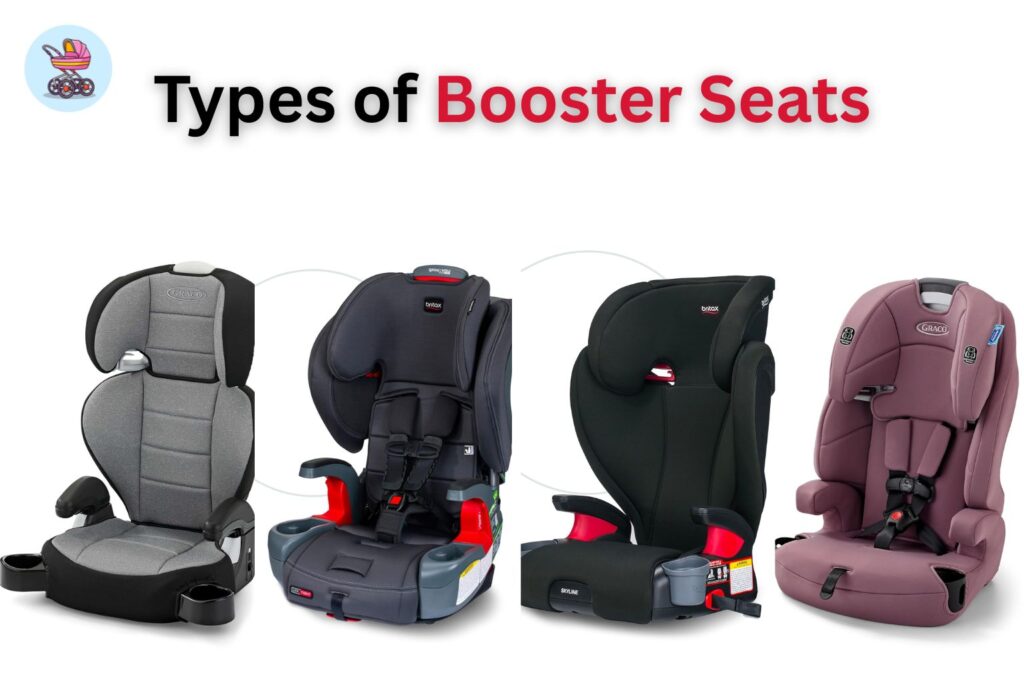
Parents exploring a 3 year old booster seat learn there are two main types: high back booster seat and backless booster seat. Both are belt positioning booster seats that improve vehicle seat belt fit for kids and enhance child passenger safety. They lift the child so lap and shoulder belts sit correctly, reducing seat belt injury risk. Experts note that proper booster seat positioning is essential, and choosing the right design prevents poor posture and booster misuse.
High Back Booster Seats
A high back booster seat includes a tall backrest that supports the child’s head, neck, and torso. This design helps maintain proper seat belt positioning and keeps the belt aligned across the chest and hips. Many parents prefer this style because it offers better stability and helps prevent the booster seat slouching problem.
Another advantage involves comfort. Children often fall asleep during long trips. A high-back design prevents kids leaning out of booster seat positions while sleeping. This improves crash protection for children because the body remains aligned with the belt path.
Parents comparing car seat systems often see similar supportive designs in convertible models — our Britax Poplar vs Poplar S comparison shows how back support and posture control tie into crash protection, which is exactly why high-back boosters are recommended over backless ones for younger kids.
Backless Booster Seats
A backless booster seat is smaller and lighter. It simply raises the child so the lap and shoulder seat belt fits better. This type of seat belt positioning booster works well when a vehicle already has a high headrest and the child can maintain child sitting properly in booster posture.
Backless boosters are often easier to move between vehicles, which makes them popular for carpooling or travel. However they provide less posture guidance than a high back booster seat. Without side support some children may develop booster seat slouching problem behaviors or lean during sleep.
Because of this limitation, many child car seat safety experts suggest using a high-back design for younger booster riders and switching to backless seats later when children show strong booster seat maturity requirements.
Which Type Is Safer for Kids?
Both booster types can provide effective child restraint safety system protection when used correctly. However research from NHTSA child passenger safety programs shows that high-back boosters often improve proper booster seat positioning for younger children.
The following comparison table explains the main differences.
| Feature | High Back Booster | Backless Booster |
| Back support | Full support | No back support |
| Sleeping comfort | High | Lower |
| Posture control | Better | Depends on child |
| Best for | Younger booster riders | Older children |
Parents asking whether a booster is safe for a 3-year-old should remember that neither style fixes the underlying issue — a booster only works once the child has the age and maturity a harness doesn’t require.
High Back vs Backless Booster Seats
Advantages of High Back Boosters
Parents often debate high back vs backless booster seats when deciding if their child is ready. High back boosters provide strong posture support, guiding the lap and shoulder seat belt across the hips and chest. This improves vehicle seat belt fit for kids and reduces the risk of unsafe lap belt positioning. They also help children who fall asleep in the car avoid booster seat slouching problem, keeping them safer during sudden stops.
Experts often compare these to harness seats, which offer superior crash protection — see our Graco SlimFit vs SlimFit LX comparison for how the two stack up
When Backless Boosters Are Acceptable
Backless boosters become suitable once children meet booster seat maturity requirements and can maintain proper posture. Vehicles must provide head and neck support. These boosters are lightweight and convenient for travel but still require correct lap and shoulder belt placement to ensure crash protection for children.
Which One Should Parents Choose?
Most specialists recommend starting with a high back booster until the child reaches the proper booster seat weight limit. When posture control improves, families can transition to a backless booster. Convertible or rotating seats can extend harness use and delay moving to a 3 year old booster seat:
Rotating Car Seats
How to Know if a Booster Seat Fits Your Child Properly
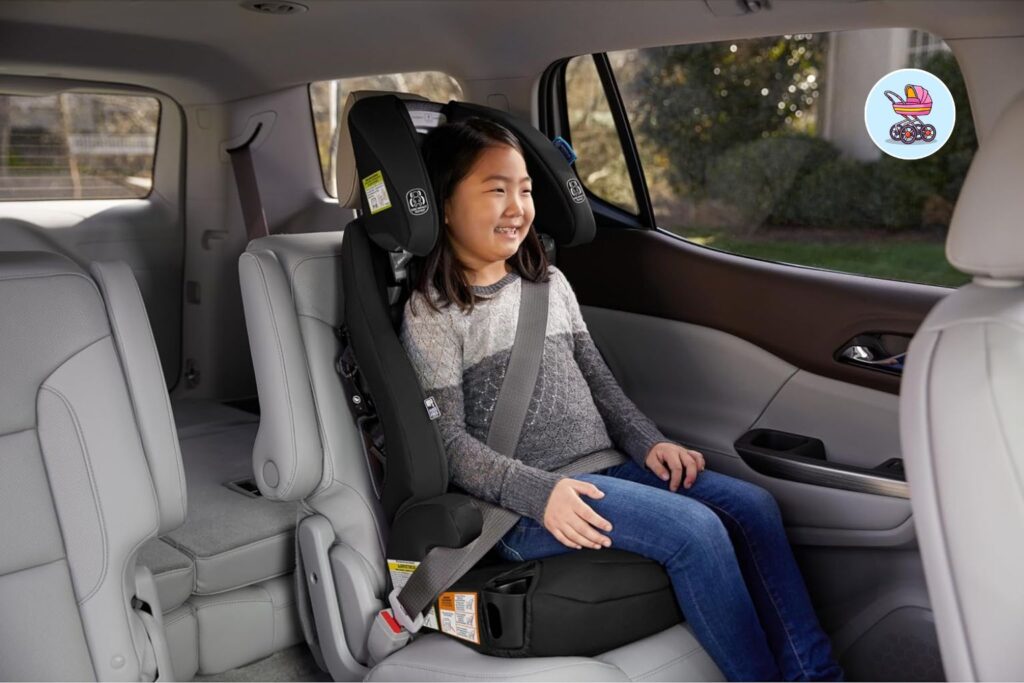
Ensuring a 3 year old booster seat fits properly is essential for child car crash protection. The seat must lift the child so the lap and shoulder belts sit correctly over the hips and chest, avoiding the stomach or neck to reduce seat belt injury risk. Children should sit upright and maintain child sitting properly in booster posture. Experts, including a certified child passenger safety technician, recommend checking knee bend, back contact, and proper vehicle seat belt fit for kids. Tables can help illustrate:
| Check | Correct Fit | Incorrect Fit |
| Lap Belt | Over upper thighs/pelvis | Across stomach |
| Shoulder Belt | Across collarbone | Neck or face |
| Posture | Upright back and head against seat | Slouching or leaning |
| Knee Position | Bent at seat edge | Dangling or too straight |
A proper fit ensures crash protection for children and reduces risks from seat belt injury risk.
Proper Shoulder Belt Placement
The shoulder belt placement is as important as the lap belt. If it rests on the neck, it can cause serious injury during a collision. High-back boosters are ideal for younger children because they align the shoulder belt placement correctly. This is especially important for children with smaller frames who are transitioning from a forward facing car seat with harness to a booster seat for preschoolers.
Parents should guide their children to sit fully back in the seat and avoid leaning sideways. For kids who move around a lot, a booster with adjustable side guides and a full headrest makes it much easier to keep the belt sitting where it should.
Lap Belt Safety Guidelines
The lap belt positioning must stay low over the hips. If the belt rides too high across the stomach, even minor accidents can cause serious internal injuries. High-back boosters provide natural guidance, while backless boosters require parental monitoring. Ensuring the lap belt stays low and tight keeps the child safe and aligns with booster seat safety guidelines.
Parents can also check guides from American Academy of Pediatrics car seat guidelines to understand proper child car restraint system practices. A correct lap belt position combined with shoulder belt placement delivers optimal child car crash protection.
For parents considering travel gear, combining boosters with a full travel system like the Chicco Bravo Trio ensures comfort and safety across every stage.
Common Booster Seat Mistakes Parents Make
Many parents unintentionally compromise child booster seat safety. Common mistakes include kids leaning out of booster seat, slouching, or sitting sideways, which misaligns the belt and increases seat belt injury risk. Placing the shoulder belt behind the back removes child car crash protection, while booster seat slouching problems reduce effectiveness.
Using a booster too early or ignoring booster seat age requirements also poses risks. Parents should follow booster seat safety guidelines, check proper belt fit booster seat alignment, and ensure booster seat maturity requirements are met for safe travel.
Kids Leaning Forward or Sideways
When children lean forward, the lap belt positioning rises over the abdomen. Sideways slouching may cause the shoulder belt placement to shift to the neck or arm. Both situations compromise crash protection for children. Certified technicians often recommend modeling proper seating with frequent reminders and reinforcement for child sitting properly in booster.
In some cases, seat accessories like booster pillows or adjustable headrests can help children maintain correct posture. Families using a system like the Evenflo Pivot Modular Travel System get an easier time keeping booster placement consistent trip after trip.
Putting the Shoulder Belt Behind the Back
This is one of the riskiest mistakes. Parents sometimes put the shoulder belt behind a child’s back thinking it’s safer or more comfortable. In reality, it removes crash protection for children completely. During a collision, the child’s torso has nothing to absorb the force, increasing seat belt injury risk.
Child safety experts, including those following NHTSA child passenger safety programs, strongly advise against this. Booster design exists to maintain proper booster seat positioning, which cannot happen if the shoulder belt is behind the back.
Slouching in the Booster Seat
Slouching is common among younger children because many have not yet developed booster seat maturity requirements. When a child slouches, the lap and shoulder seat belt shifts and the booster cannot provide its intended child car crash protection. High-back boosters help reduce this behavior, but supervision is still key.
Simple behavioral strategies help — reminding kids to sit up, giving them a “seatbelt check” before you pull out of the driveway. But if you’re doing this every single trip, it’s worth asking whether a harness seat is still the better fit for now.
What If Your Child Slouches in a Booster Seat?
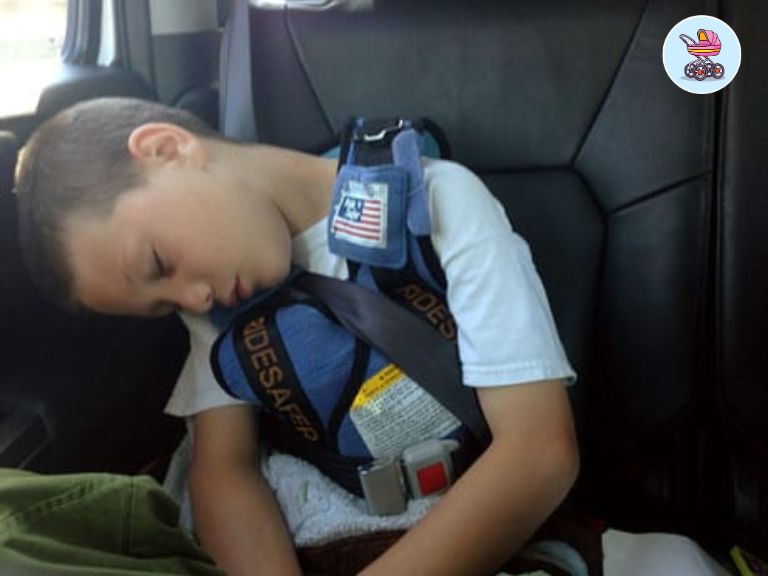
Slouching in a booster seat is more than just a bad habit—it directly impacts child car crash protection. When a child leans forward or sideways, the lap and shoulder seat belt can shift into unsafe positions. This increases seat belt injury risk, especially in sudden stops or collisions. Even a booster seat for preschoolers can’t protect a child properly if they don’t sit upright. Parents should actively supervise seating and encourage proper posture for every ride.
Fixing poor seating position involves several steps. First, ensure the booster is installed correctly with the vehicle’s child car restraint system. Then, check that the belt positioning booster seat is adjusted so the shoulder belt placement rests on the collarbone and the lap belt positioning sits low across the hips. For persistent slouching, high-back boosters are preferable as they provide support and reduce leaning. Tools like booster pillows or cushions can help maintain proper alignment, while teaching children child sitting properly in booster habits is key for safety.
Why Slouching Is Dangerous
Slouching shifts the seat belt off its intended path. In crashes, the lap belt riding over the stomach can cause internal injuries, and the shoulder belt over the neck can lead to serious trauma. According to child car seat safety experts, this misuse significantly reduces crash protection for children. Even in minor collisions, improper positioning can cause long-term injuries, which is why addressing slouching early is critical.
Regularly checking your child mid-drive and modeling correct posture yourself both help. If slouching is a constant fight, that’s usually a sign the child isn’t ready for a booster yet — not that the booster needs adjusting.
What About Big or Tall 3-Year-Olds?
Some parents assume that a bigger 3-year-old is ready for a booster. While size matters, booster seat maturity requirements are equally important. Children must have the ability to sit upright without leaning for the seat to protect them correctly. Even if a child meets the booster seat minimum weight 40 lbs, they may lack the body control needed for safe child car crash protection.
Size alone is not a reliable indicator. Experts emphasize combining booster seat weight limit with age, child sitting properly in booster, and maturity to make informed decisions. A tall 3-year-old may still benefit more from a forward-facing harness car seat while they build up the posture and focus a booster requires. Size gets kids into a booster’s weight range faster, but it doesn’t fast-track the sitting-still part.
Weight vs Maturity
Even if a child reaches the booster seat minimum weight 40 lbs, their child car seat safety experts recommend waiting until they demonstrate proper seating habits. Maturity affects whether the lap and shoulder seat belt remains in the correct position during trips. A lack of focus or frequent fidgeting increases seat belt injury risk, undermining the booster’s purpose.
Parents should observe how long a child can sit upright and follow booster seat safety guidelines for posture. A high-back booster generally gives a wiggly child more support than a backless one, so if a bigger 3-year-old is getting closer to booster-ready, that’s the safer starting style over a backless model.
How Long Do Kids Need a Booster Seat?
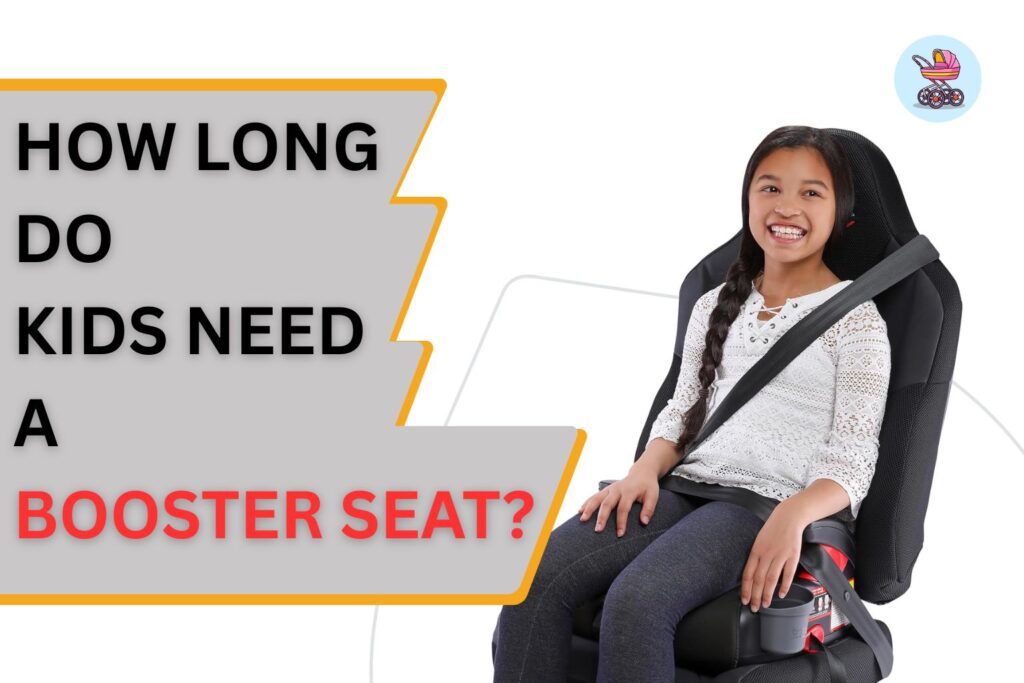
Children should remain in a booster seat until the vehicle’s seat belts fit correctly. Typically, this occurs when a child is around 8–12 years old and tall enough for the lap belt to rest over the hips and the shoulder belt over the collarbone. Using the booster too early increases seat belt injury risk and reduces child car crash protection.
The 5 Step Seat Belt Test helps parents determine readiness. Children pass when: their back touches the vehicle seat, knees bend at the seat edge, the lap belt sits low on the hips, the shoulder belt crosses the chest, and they can sit upright comfortably. Booster duration varies a lot by child — some are ready to graduate at 8, others still need one at 11. Run the 5-Step Test every year or two rather than assuming age alone tells you when to stop.
When Children Can Use Regular Seat Belts
Children can switch from boosters to regular seat belts when they pass the 5 Step Seat Belt Test. Using a regular belt too early increases the likelihood of seat belt injury risk and reduces child car crash protection. Booster seats bridge the gap between forward facing car seat with harness and standard seat belts, providing safe and effective child restraint safety system coverage.
Parents can track progress with height and weight charts, ensuring children are not transitioning too soon. Certified recommendations from American Academy of Pediatrics car seat guidelines suggest remaining in a booster until children are mature enough for proper booster seat positioning throughout trips.
Best Alternatives to Booster Seats for 3-Year-Olds
When parents wonder, “can a 3 year old use a booster seat?”, it’s important to know safer alternatives exist. Using a forward-facing harness car seat or a convertible travel system ensures child car crash protection while keeping your little one comfortable and secure. These options follow booster seat age requirements, weight limits, and height limits, giving parents peace of mind.
Graco Modes Pramette Travel System
The Graco Modes Pramette Travel System combines a rear-facing seat, a forward-facing harness seat, and a stroller in one setup, so you’re not buying separate gear as your child grows out of each stage.
UPPAbaby Vista V2 + Mesa Car Seat
The UPPAbaby Vista V2 with Mesa Car Seat pairs an adjustable 5-point harness with a stroller system built to last from infancy through the preschool years — a solid option for families not ready to think about boosters yet.
Safety Tips for Using Booster Seats
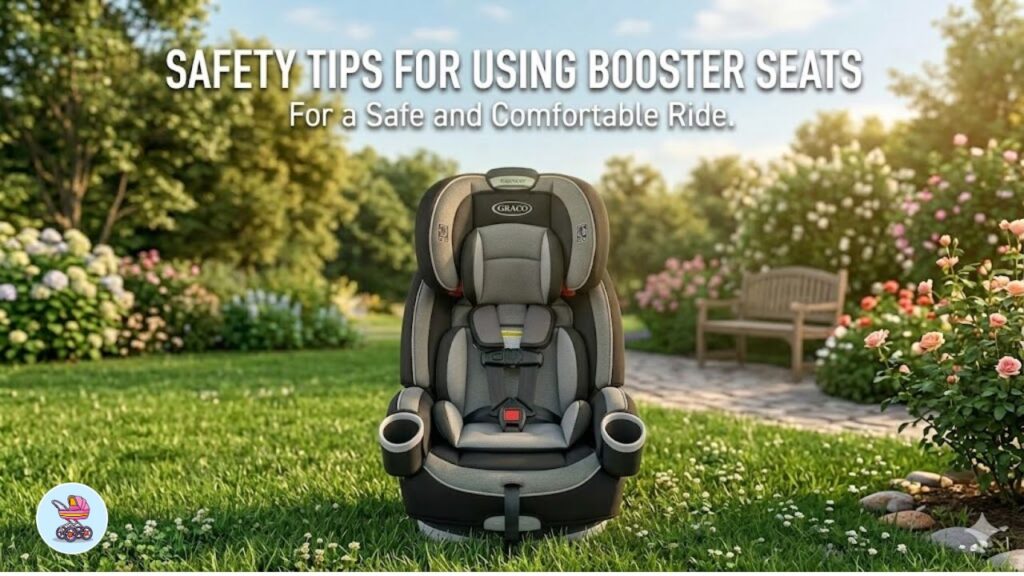
Using a booster seat correctly is essential for child booster seat safety. First, installation must follow the booster seat safety guidelines exactly. High-back boosters should be aligned with the vehicle seat, and the belt positioning booster seat should be checked every ride. Parents should ensure the lap belt positioning is low on the hips and the shoulder belt placement rests on the collarbone, never on the neck or stomach. Even the best booster cannot provide child car crash protection if the seat or belt is misused.
Additionally, children must remain seated properly for the entire trip. Avoid distractions like toys or snacks that encourage slouching. Use booster features like headrests or side supports to maintain proper booster seat positioning. For families with multiple children or frequent travel, consider high back vs backless booster guides to pick the safest option. Refer to certified sources like NHTSA’s child passenger safety program for step-by-step installation instructions and best practices.
Proper Installation Tips
Proper installation is a cornerstone of child restraint safety system effectiveness. Ensure the booster does not move more than one inch side-to-side or front-to-back when tested. Vehicles with LATCH anchors can be used for high back booster seats, but many backless models rely solely on the seat belt. Double-check child car seat safety experts recommendations for each model.
Correct seat belt use is also vital. The lap and shoulder seat belt should follow the manufacturer’s instructions and pass the seat belt fit test. Parents should inspect booster seats periodically for wear or damage. Trusted travel systems built with secure installation and easy belt positioning in mind make this step much less stressful for parents juggling multiple kids.
Correct Seat Belt Use
Belt fit booster seat safety is critical for preventing injury. Ensure the lap belt sits low across the hips and thighs, while the shoulder belt crosses the chest properly. Avoid placing the shoulder belt behind the back or under the arm, which can cause serious seat belt injury risk. Using booster accessories like belt guides can help maintain proper seat belt positioning even if a child fidgets.
Regularly remind children of the importance of sitting upright and correctly. Using high back booster seats provides support for longer trips, while backless boosters may be appropriate for older or more mature children who can maintain posture. Safety experts consistently emphasize that following child car seat safety experts advice reduces crash protection for children risks.
Back Seat Safety Rules
Keeping children in the back seat remains one of the most effective ways to improve child car crash protection. The back seat is farther from impact zones and provides better child car seat safety experts coverage. Even with a booster, children should never sit in the front seat before meeting booster seat maturity requirements.
For families with multiple children, position the booster in the center if possible to maximize protection. Travel systems like the Britax B-Lively & B-Safe Gen2 make multi-child back seat arrangements easier while keeping lap and shoulder belt positioning correct for each child.
How Much Does a Booster Seat Cost?
Backless boosters usually run $20–$50, while high-back models with extra padding, cup holders, and adjustable headrests land closer to $60–$150. Premium high-back boosters with side-impact protection can go past $200.
For a 3-year-old, though, price shouldn’t be the deciding factor — no booster at any price fixes the maturity and posture problem this age group has. Spend that budget on a good harness seat now, and save the booster purchase for when your child actually passes the 5-Step Test.
Booster Seat Comparison Table: Age, Weight, and Type
| Booster Seat Type | Recommended Age | Weight Range | Height / Size | Safety Notes | Example / Link |
| High Back Booster Seat | 4–10 years | 40–100 lbs | 38–57 inches | Provides head & neck support, maintains proper booster seat positioning, ideal for naps | Evenflo Pivot Modular Travel System |
| Backless Booster Seat | 5–10 years | 40–100 lbs | 40–57 inches | Good for older children with booster seat maturity requirements, relies on proper lap and shoulder seat belt fit | Britax B-Lively & B-Safe Gen2 |
| High Back Booster with Removable Back | 4–10 years | 40–100 lbs | 38–57 inches | Flexible option; back can be removed as child grows, ensures crash protection for children | Graco Modes Pramette Travel System |
| Combination Car Seat (Harness + Booster) | 3–10 years | 22–100 lbs | 30–57 inches | Starts as forward facing car seat with harness, converts to booster, excellent child car crash protection | Chicco Bravo Trio Travel System |
| Extended Harness Car Seat | 2–7 years | 25–65 lbs | 30–49 inches | Keeps child in a 5-point harness longer than standard forward-facing, ideal for child car restraint system safety | Evenflo Revolve 360 |
| Backless Booster for Sleeping Children | 5–10 years | 40–100 lbs | 40–57 inches | Allows comfortable sleep without head support, ensure proper booster seat positioning with vehicle headrest | Britax Poplar |
Key Takeaways from the Table:
- Children under 4 rarely meet booster seat age requirements. For ages 3–4, forward facing harness car seat or convertible car seat is safer.
- Always check booster seat weight limit and seat belt fit booster seat. Even a tall 3-year-old might not meet booster seat maturity requirements.
- High back booster seats are preferred for younger kids or children who nap because they provide better crash protection for children and maintain proper posture.
- Backless boosters are great for older kids with mature sitting habits but require proper lap and shoulder seat belt use.
- Combination and extended harness seats are excellent alternatives to keep child car seat safety experts standards in check before moving to a booster.
Frequently Asked Questions
1. Can my 3 year old go in a booster seat?
No, most 3-year-olds are not ready; they should stay in a forward facing car seat with harness until meeting age, weight, and maturity requirements.
2. What car seat does a 3 year old need?
A forward facing harness car seat or convertible car seat is safest for a 3-year-old.
3. Can my 4 year old use a backless booster seat?
Only if they meet booster seat maturity requirements and the vehicle provides proper head support; otherwise, a high-back booster is safer.
4. Is it legal for a 4 year old to ride in a booster seat?
Laws vary by state, but most experts recommend waiting until age 4–5 and the child meets weight and height requirements.
5. What is safer, high back booster or backless booster?
A high back booster is safer for younger kids because it provides posture support and maintains proper belt positioning.
6. Should my 7 year old be in a 5 point harness?
Usually not; most 7-year-olds can safely use a booster seat if they fit the seat belt correctly.
7. Does a 3 year old need a 5-point harness?
Yes, a 5-point harness car seat provides the best child car crash protection for a 3-year-old.
8. Should my 7 year old be in a car seat or booster seat?
Typically a booster seat is appropriate if the lap and shoulder seat belt fits correctly.
9. Can a 7 year old go in a backless booster?
Yes, if they meet maturity and height requirements and the vehicle has proper head support.
Conclusion: Should a 3 Year Old Use a Booster Seat?
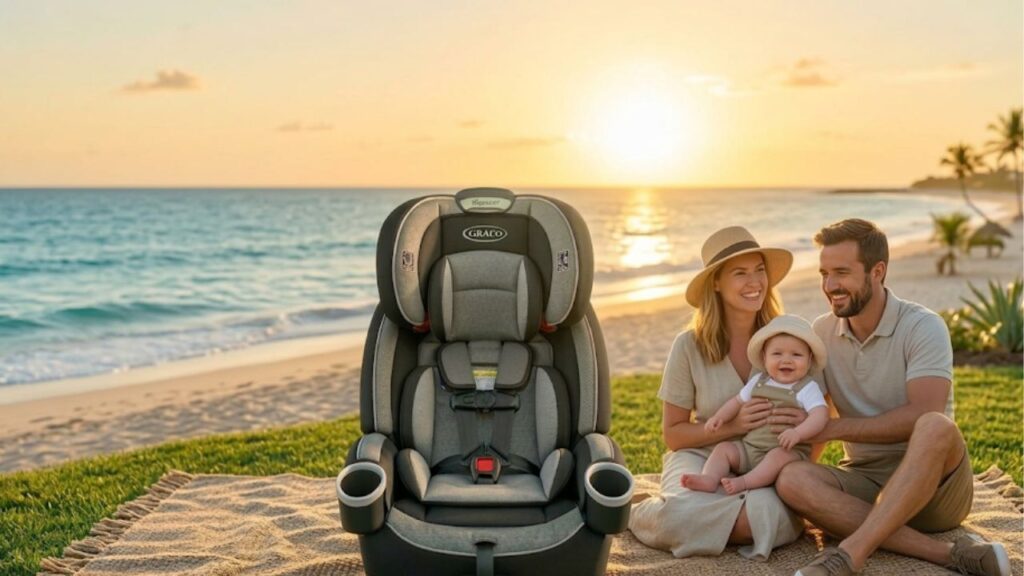
The short version: a 3-year-old shouldn’t be in a booster seat, even if they clear the 40-pound minimum. Weight is only one piece of the puzzle — maturity and the ability to sit still through a whole trip matter just as much, and most preschoolers aren’t there yet.
Stick with a forward-facing harness seat, a convertible seat, or an all-in-one system until your child hits both the manufacturer’s weight/height limits and shows they can actually sit properly for an entire ride. The American Academy of Pediatrics backs this timeline, and so does every car seat tech we’ve talked to.
Saim Mughal is the founder of Care for Cuties, testing and comparing baby gear firsthand so parents get advice they can trust, not recycled claims.
5 Responses