


What Is a Lower Anchor Car Seat?
A lower anchor car seat uses the LATCH system car seat design to connect directly with vehicle anchor points. Instead of only using belts, it locks into place using lower anchor connectors. If you’re wondering what is LATCH in car seat, it simply means a system built to make car seat installation easier and safer.
This system improves child safety because it reduces human error. Many parents ask how does LATCH system work, and the answer is simple. It creates a secure link between your car and seat. Unlike seat belt installation, it feels more stable and reliable for daily use.
Table of Contents
How Lower Anchors Work in Infant Car Seats
A lower anchor car seat connects using two metal connectors that attach to fixed points in your car. These connectors snap into place with a click-in installation system, making it simple. This design helps parents understand how to install lower anchor car seat without confusion or stress.
Once connected, the seat forms a solid base that reduces movement. This is important for rear-facing infant car seat setups. Experts often explain how to properly install car seat with anchors because even small mistakes can reduce safety during sudden stops or crashes.
Why Parents Prefer Lower Anchor Installation
Parents choose a lower anchor car seat because it feels easier than traditional methods. It removes guesswork and saves time. Many first-time parents search for which car seat is easiest to install, and LATCH-based systems often come out on top.
For example, a busy parent switching cars daily benefits from this design. It reduces common car seat installation mistakes and improves confidence. If you also use a stroller system, you can explore a helpful option like the baby strollers with car seats 2026-edition-baby-strollers-with-car-seat to simplify travel even more.
What Are Rigid Lower Anchors?
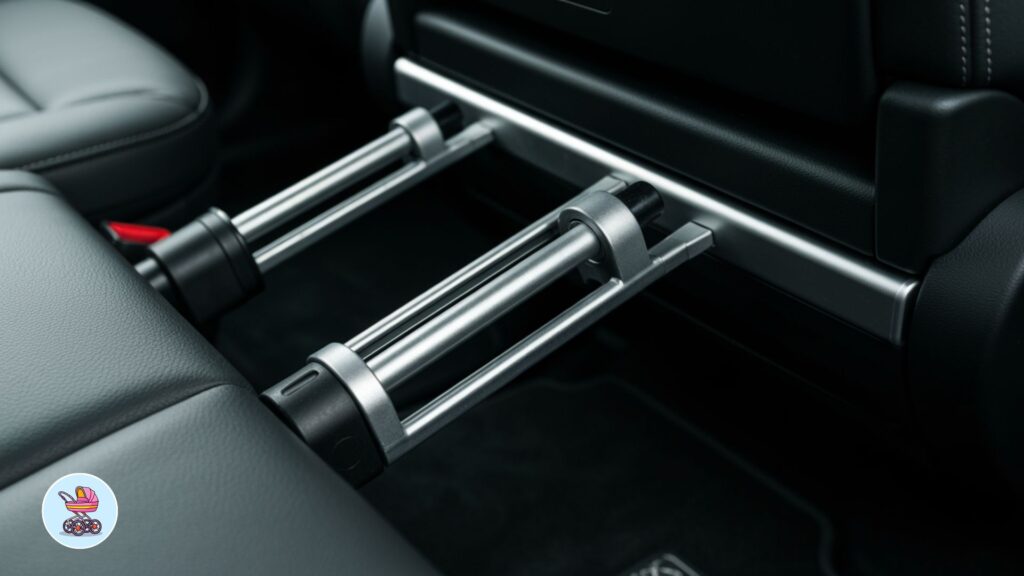
A lower anchor car seat with rigid technology uses fixed metal arms that connect directly to your car’s vehicle anchor points. These arms do not tighten like straps. Instead, they lock in place instantly. This design is called rigid lower anchors, and it improves stability during everyday driving.
Many parents ask what are rigid lower anchors because the system feels new compared to traditional flexible lower anchors. The idea is simple. Instead of adjusting tension manually, the seat clicks directly into position. This reduces stress during car seat installation and helps improve child safety in real-world use.
Unlike a basic setup, a rigid LATCH car seat creates a fixed connection between the seat and the car frame. It reduces unwanted movement and improves alignment. This makes it especially useful for parents who struggle with how to properly install car seat with anchors or want a more secure everyday setup without extra adjustments.
Rigid vs Flexible Lower Anchors Explained
A lower anchor car seat can use two different systems, and the biggest difference comes from how it connects to your car. A rigid LATCH car seat uses fixed metal arms that lock directly into vehicle anchor points. In contrast, flexible lower anchors use straps that you must tighten manually during car seat installation.
Many parents searching difference between rigid and flexible anchors want to know which one feels safer. Rigid systems reduce human error because there is no tightening step. Flexible systems, however, can fit more vehicles. Both follow strict safety standards, but their everyday experience feels very different for parents.
A rigid system gives a firm and stable feel right away. It reduces movement and supports better alignment in a rear-facing infant car seat. Flexible systems need extra effort to achieve the same tightness. That is why many caregivers prefer rigid options when choosing a modern lower anchor car seat for convenience and confidence.
Key Differences in Safety and Ease of Use
A lower anchor car seat performs differently depending on the system used. Rigid systems lock directly into vehicle anchor points, while flexible systems require manual tightening. This difference changes both safety feel and daily convenience during car seat installation, especially for new parents.
Many caregivers ask are rigid LATCH car seats safer, and the answer depends on use. Rigid designs reduce installation errors and improve stability. Flexible systems still meet safety standards, but they rely more on user skill. That’s why rigid systems often feel more secure in real-life driving conditions.
From an ease point of view, rigid systems win for simplicity. There is no guessing or re-tightening. Flexible systems may take more time but offer wider vehicle compatibility. In both cases, a properly installed lower anchor car seat with correct alignment ensures strong child safety performance.
Are Rigid Lower Anchor Car Seats Safer?
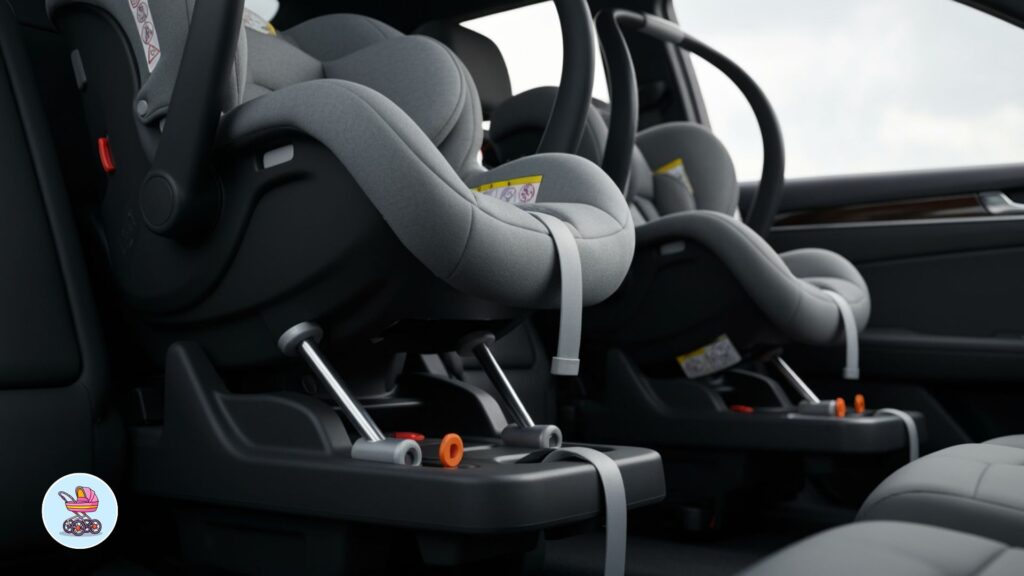
A lower anchor car seat with rigid connectors often feels safer because it removes many installation errors. Safety experts highlight that correct car seat installation matters more than the system itself. However, rigid designs reduce mistakes, which indirectly improves child safety in everyday driving situations.
Parents often search are rigid LATCH car seats safer because they want clear answers. In real use, both rigid and flexible systems meet strict safety standards. The key difference is consistency. A rigid system stays locked in position, which improves stability during sudden stops or impacts.
Benefits of Rigid Lower Anchors
Rigid systems offer strong advantages for modern families. A lower anchor car seat with rigid connectors provides instant locking into vehicle anchor points. This reduces side movement and improves confidence during travel. Many models also combine load leg car seat and anti-rebound protection for extra safety support. You can also explore more safety-focused options in our guide on anti rebound bar car seat anti-rebound-bar-car-seat for better crash protection understanding.”
Another benefit is simplicity. There is no need for tightening straps or checking tension repeatedly. Parents searching how to reduce car seat movement often find rigid systems easier. Combined with features like side impact protection car seat, they create a more stable and controlled ride experience.
Limitations to Consider
Even though a lower anchor car seat with rigid connectors is helpful, it is not perfect. One limitation is vehicle compatibility. Some cars may not align properly with rigid systems, which affects installation. That is why checking your car model is very important before buying.
Another factor is cost. A rigid LATCH system car seat usually costs more than flexible versions. Parents who want budget-friendly options may prefer simpler models. However, even affordable seats still meet safety standards when installed correctly using proper car seat installation techniques.
Why Choose a Lower Anchor Car Seat with Rigid Anchors?
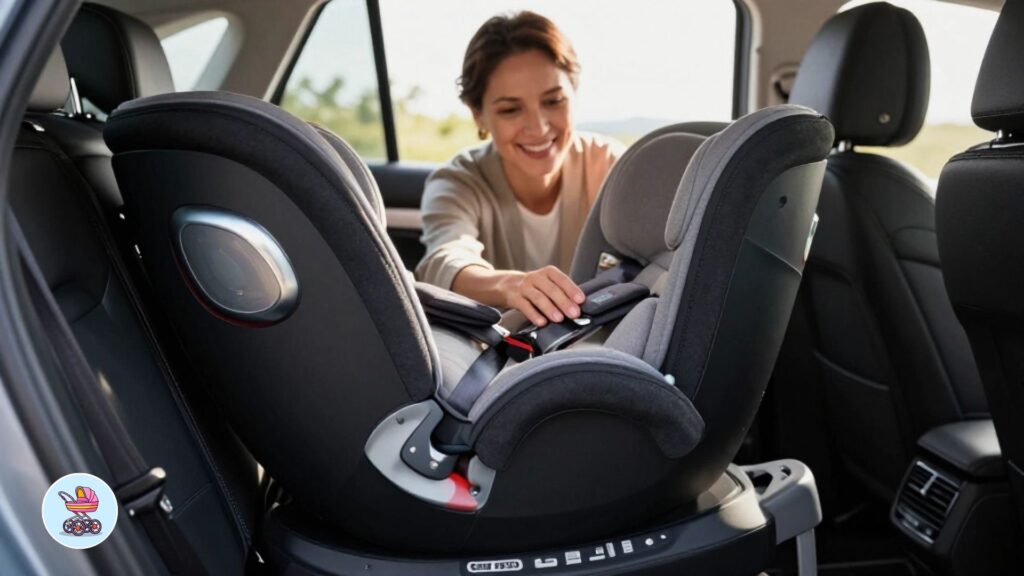
A lower anchor car seat with rigid connectors is often chosen by parents who want simplicity and confidence during daily travel. It connects directly into vehicle anchor points and reduces setup stress. Many caregivers prefer this system because it makes car seat installation faster and more predictable.
In real life, busy parents don’t want complicated steps every time they move a seat. A rigid system removes uncertainty. It helps improve child safety because fewer mistakes happen during installation. That’s why many families upgrading from seat belt installation prefer this modern solution.
Easier Installation for Beginners
Beginners often struggle with tension and alignment in traditional systems. A lower anchor car seat with rigid design solves this problem. It locks into place instantly using a click-in installation system, which makes setup simple even for first-time parents learning installation guide basics.
This ease is one reason why many people search easiest car seat to install with LATCH system. Instead of pulling straps tight, parents just connect and confirm. It reduces stress and improves confidence, especially when handling a rear-facing infant car seat for the first time.
Better Fit in Small Cars
Small cars can make installation tricky. A lower anchor car seat with rigid connectors fits more neatly because it requires less adjustment space. It avoids bulky strap setups and keeps the seat aligned properly inside compact vehicles.
This is especially helpful for urban families or rideshare users. A compact setup improves comfort and reduces clutter. Many compact infant car seat designs now include rigid systems to improve vehicle compatibility without sacrificing safety or convenience.
Reduced Installation Errors
One of the biggest advantages of a lower anchor car seat with rigid anchors is fewer mistakes. Since there is no tightening step, users avoid common errors like loose straps or incorrect tension. This improves overall child safety during travel.
Parents often ask how to check car seat tightness, but rigid systems simplify this step. The seat either locks correctly or it doesn’t. This clear feedback reduces confusion and ensures better performance in real-world driving conditions.
Best Lower Anchor Car Seats with Rigid Anchors (2025)
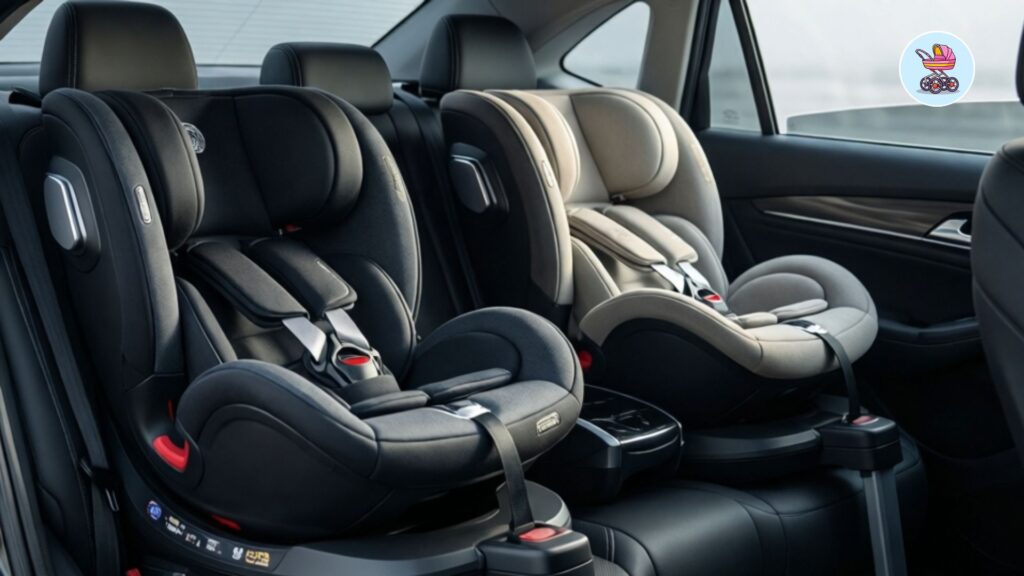
A lower anchor car seat with rigid technology is now common in premium infant models across the USA. These seats combine rigid lower anchors, smart engineering, and strong car seat safety features. Many also include load leg car seat support and anti-rebound protection, making them popular among safety-focused parents.
When choosing the best infant car seat with rigid LATCH, parents should look at weight limits, ease of car seat installation, and vehicle compatibility. For more detailed comparisons, check our full infant car seats guide best-infant-car-seats for USA parents. Below are top 2025 options that stand out for comfort, safety, and real-world usability.
1. Clek Liing
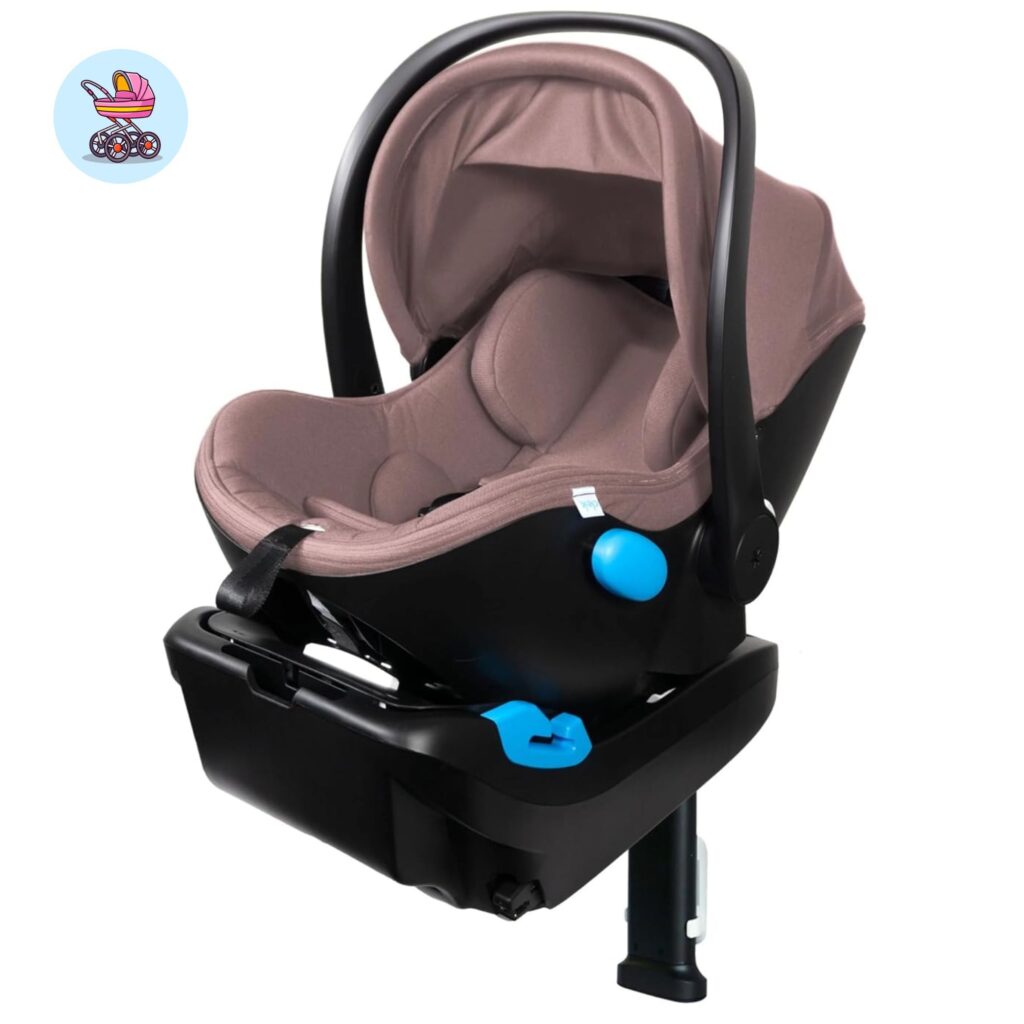
The Clek Liing is a premium lower anchor car seat designed for compact vehicles. It supports up to 30 lbs and focuses heavily on safety engineering. It includes a load leg car seat feature and strong side impact protection car seat design.
It is best for parents who want maximum safety in a compact footprint. The downside is a slightly complex harness system, but overall performance is excellent.
2. Cybex Cloud T
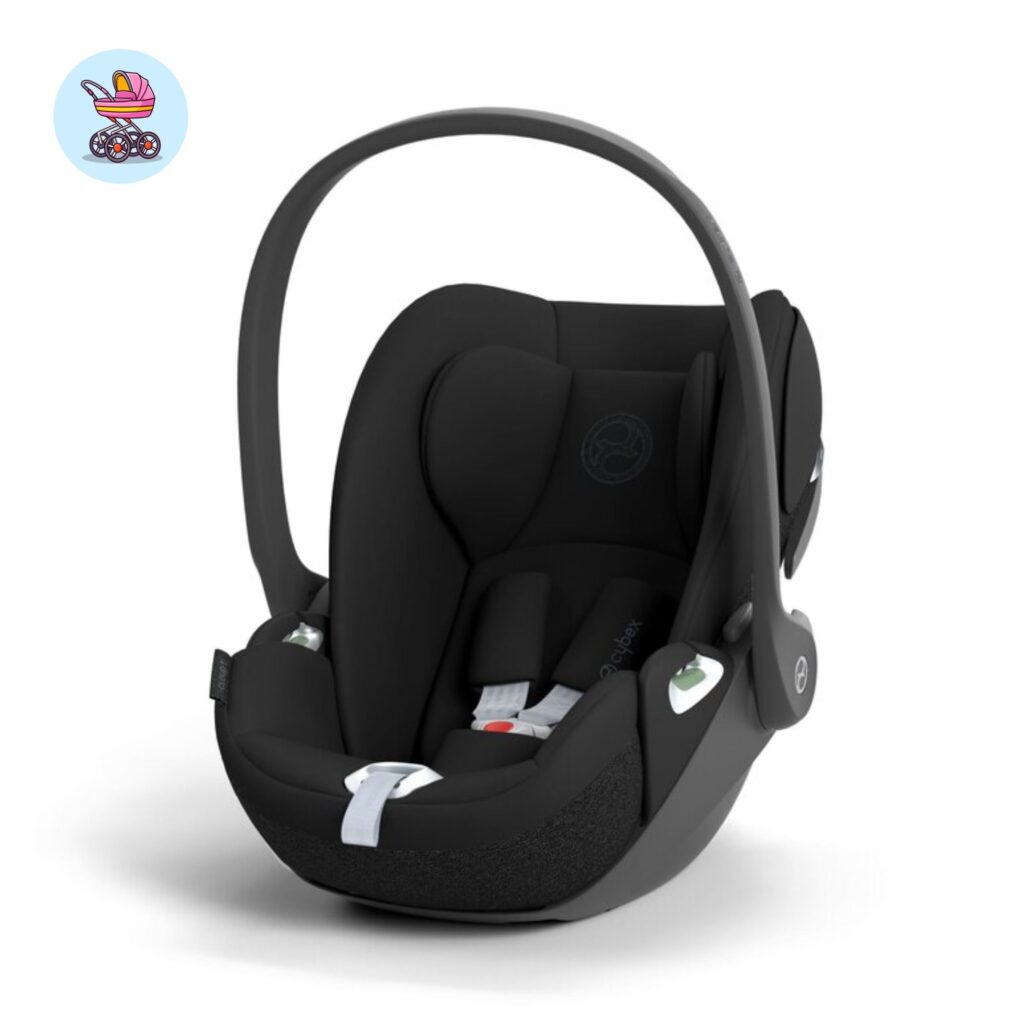
The Cybex Cloud T is a modern rigid LATCH car seat with advanced recline positions. It supports around 30 lbs and includes smart safety tech like sensors. It also features car seat recline positions that improve comfort.
It is best for parents who want luxury, tech, and flexibility in one seat. However, it is on the higher price side.
3. Graco GoMax Baseless
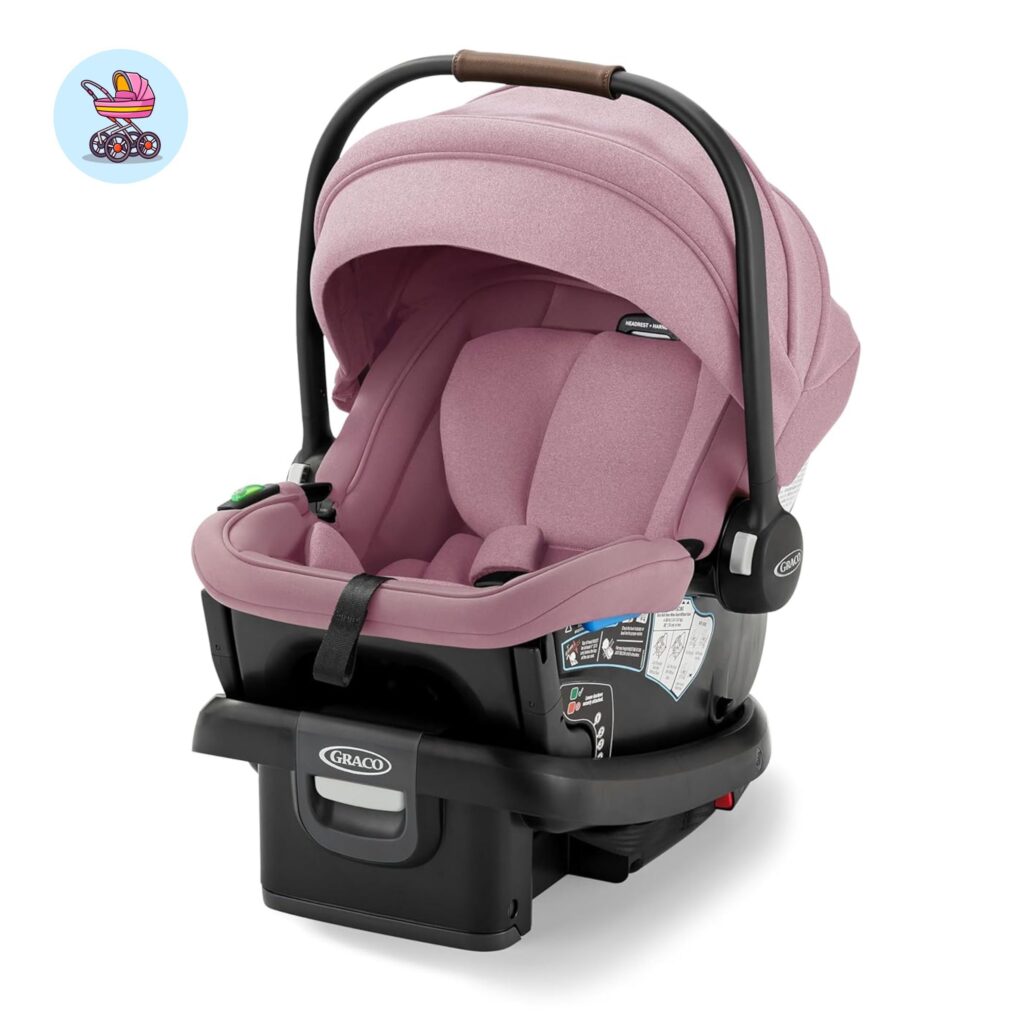
The Graco GoMax Baseless is a unique baseless infant car seat with rigid LATCH. It attaches directly to the car without a base, making it very travel-friendly. It supports up to 30 lbs.
It is best for parents who switch cars often. It is not ideal for long-term daily base use but great for portability.
4. Joie Mint Latch
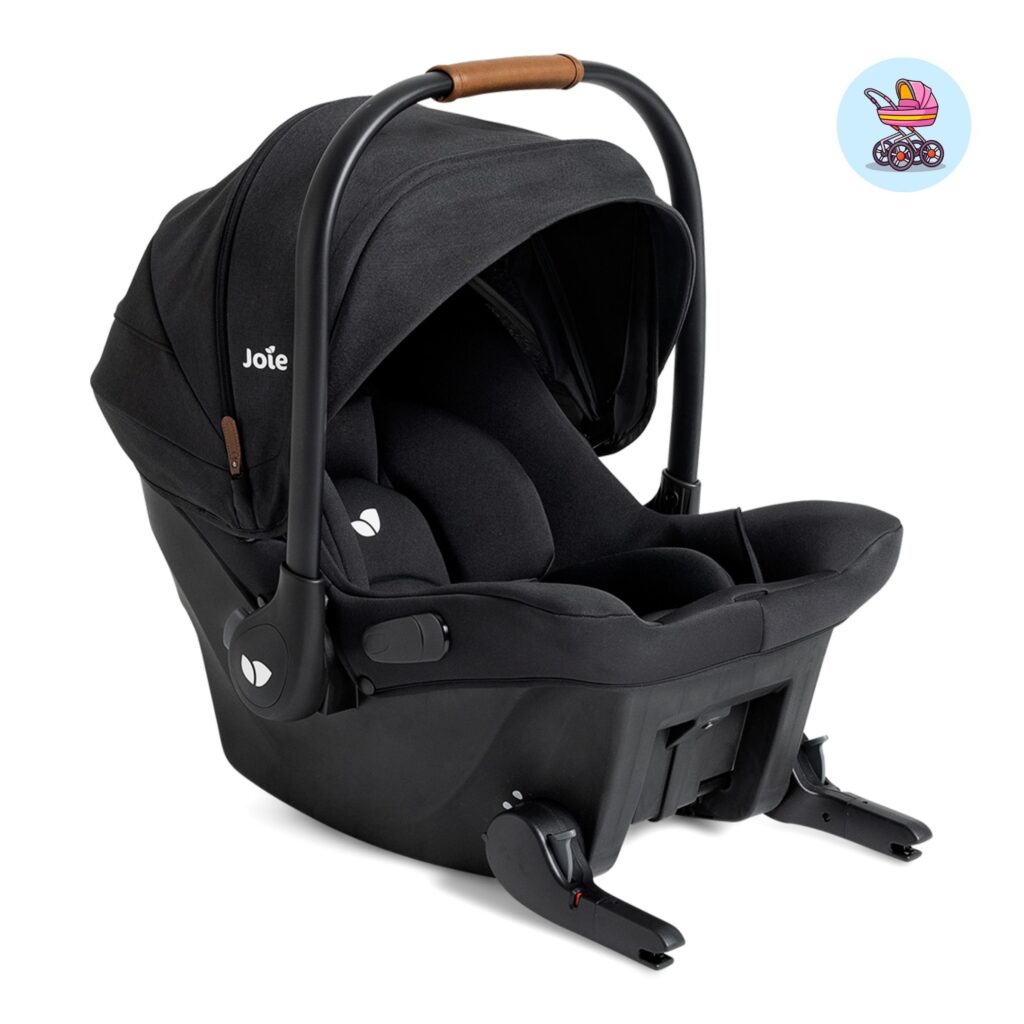
The Joie Mint Latch is a budget-friendly lower anchor car seat with simple installation. It offers decent safety and comfort features for everyday use.
It is best for families looking for value and ease of use. It lacks premium extras but performs well in standard conditions.
5. Nuna Pipa RX
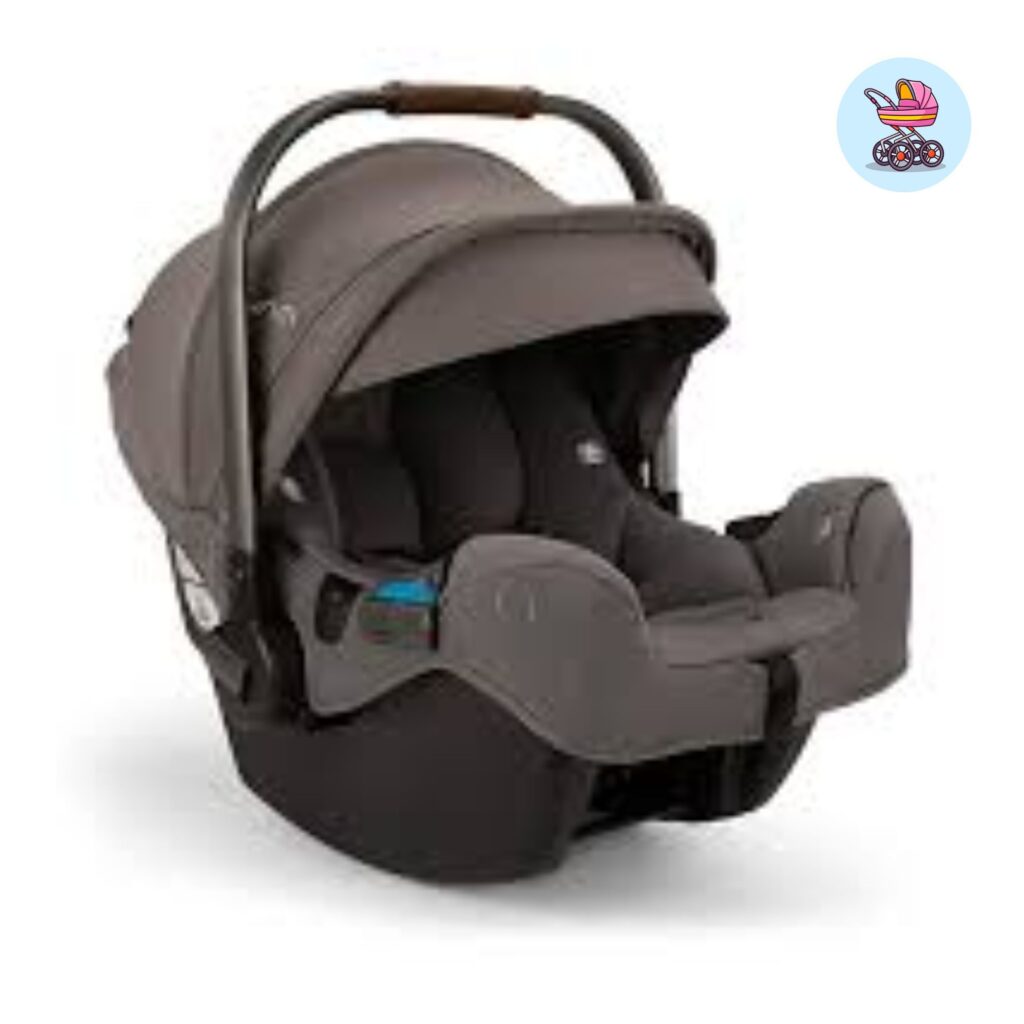
The Nuna Pipa RX is a stylish rear-facing infant car seat with rigid anchor compatibility. It includes premium materials and strong car seat safety features.
It is best for parents who want comfort and design together. It is slightly expensive but highly trusted.
6. Nuna Pipa Aire
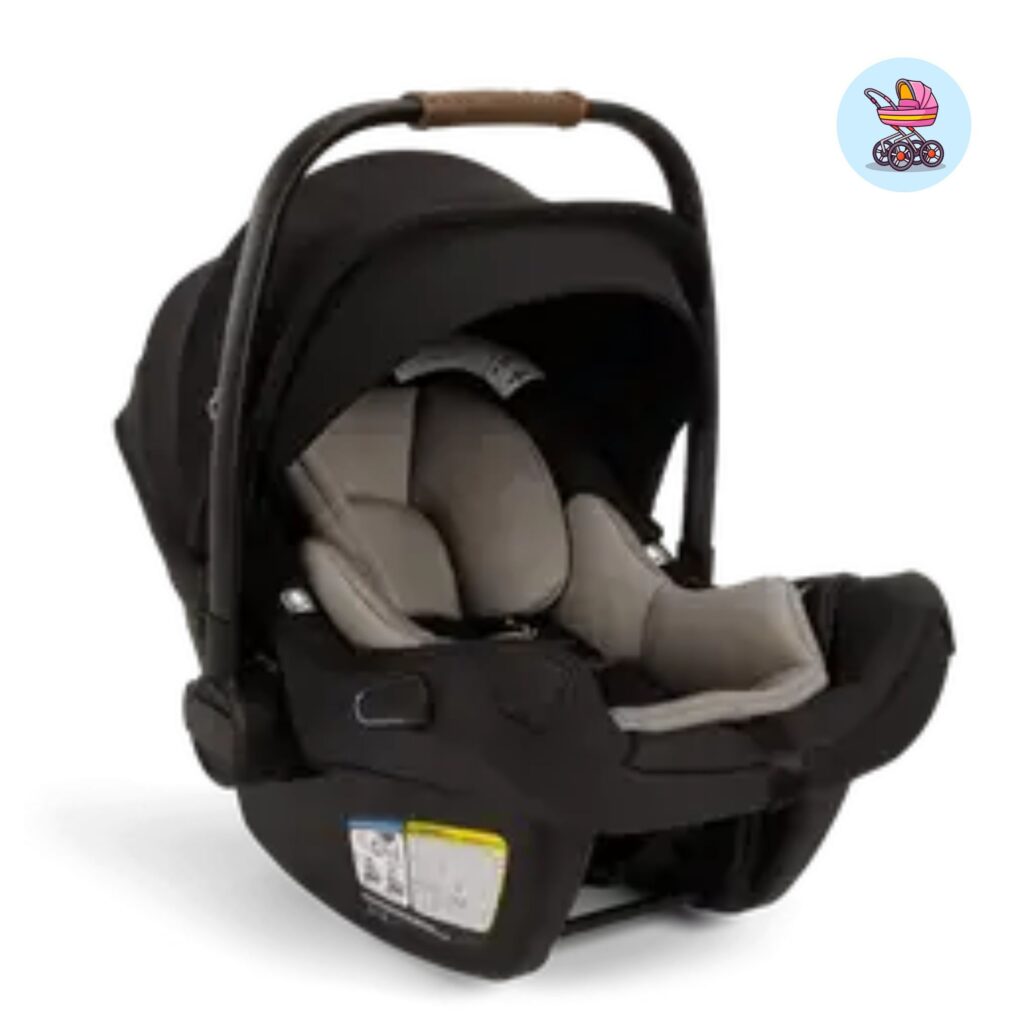
The Nuna Pipa Aire is a lightweight compact infant car seat designed for travel systems. It offers easy handling and smooth installation.
It is best for parents who travel frequently. It focuses on portability rather than long-term heavy use.
7. Nuna Pipa Urbn
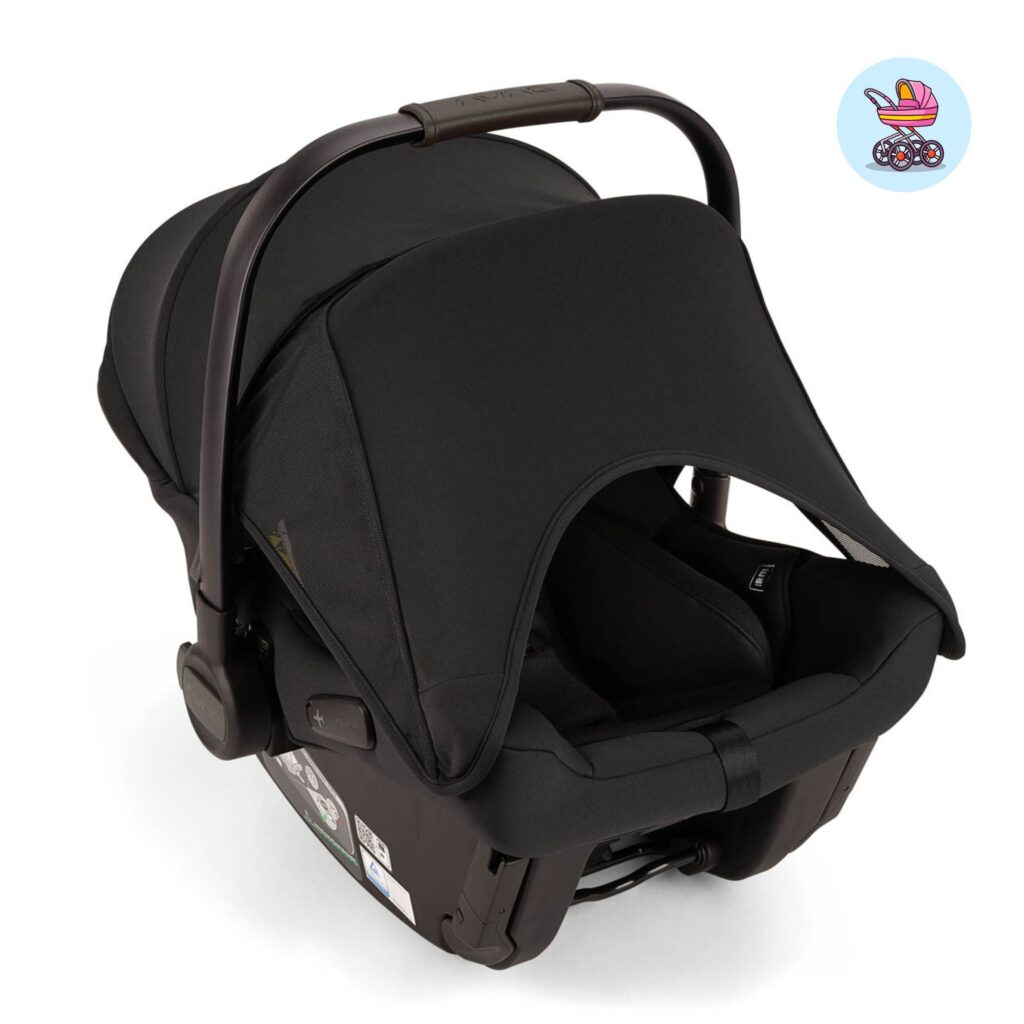
The Nuna Pipa Urbn is a true baseless infant car seat with rigid LATCH. It is designed for city life and rideshares. It attaches directly without a base.
It is best for urban parents who need quick transitions. It is extremely convenient but limited in usage range.
8. Romer Juni
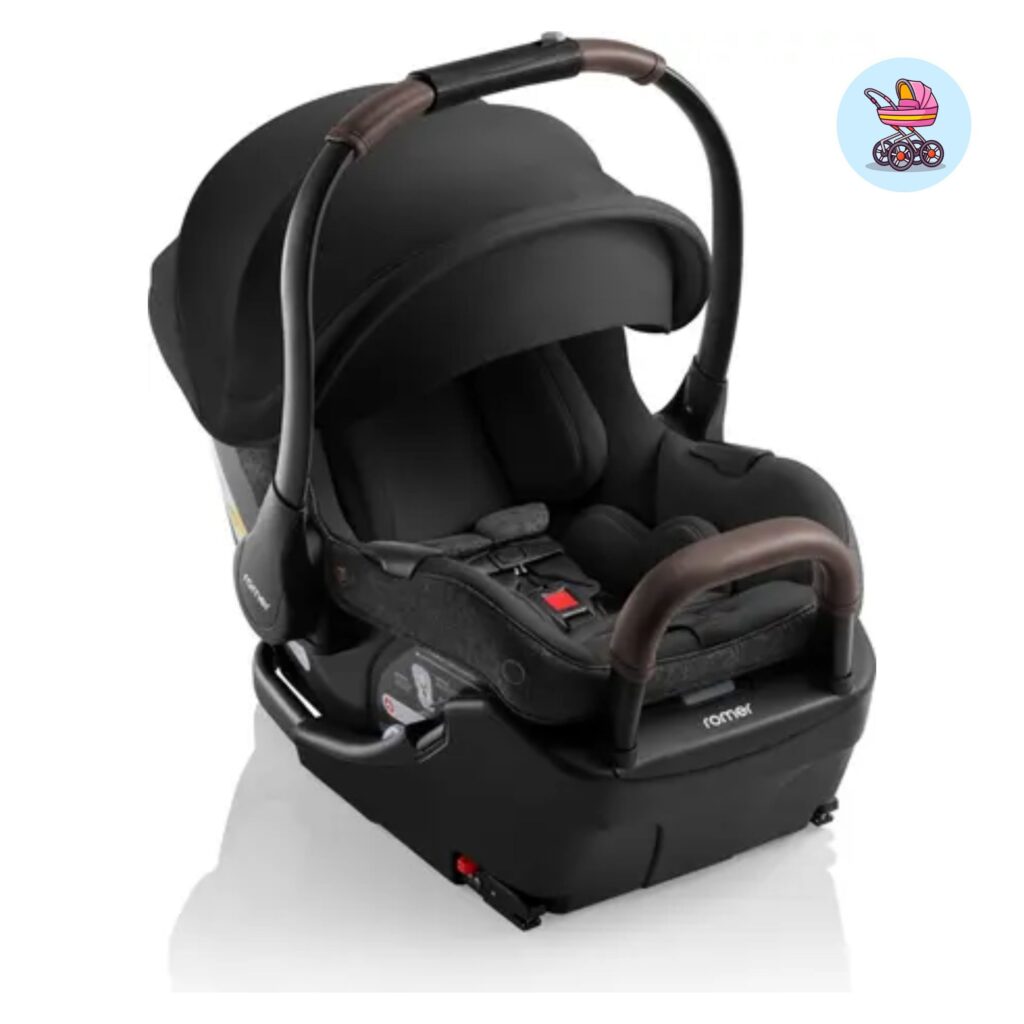
The Romer Juni focuses on eco-friendly materials and safety. It includes strong anti-rebound protection and premium build quality.
It is best for environmentally conscious parents who want both safety and sustainability.
9. Cybex Cloud G Lux
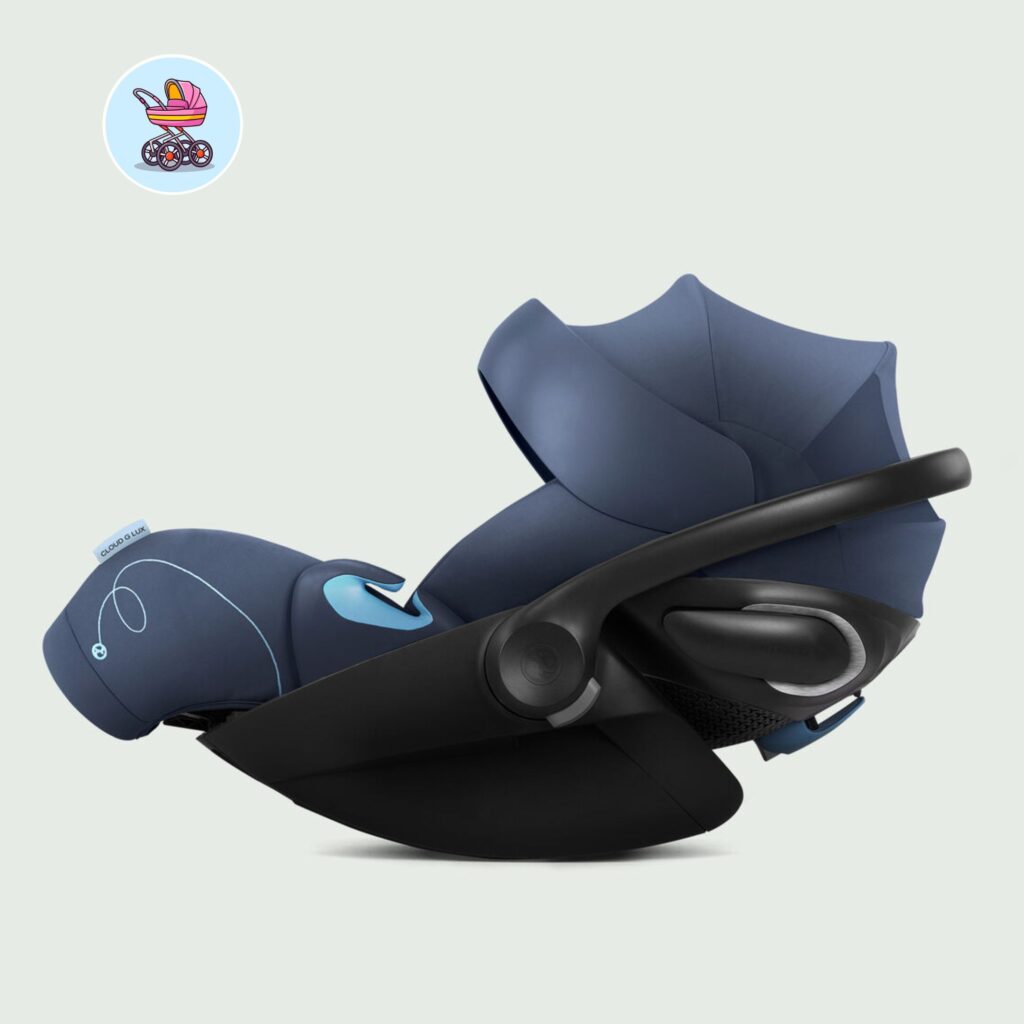
The Cybex Cloud G Lux is a high-capacity lower anchor car seat with extended use. It includes strong recline systems and premium safety features.
It is best for parents who want long-term use and maximum comfort in one seat.
Quick Comparison Table: Best Lower Anchor Car Seats (2025)
If you’re choosing a lower anchor car seat, always match it with your vehicle anchor points and check vehicle compatibility before buying.
| Model | Weight Limit | Key Feature | Best For | Full Review |
|---|---|---|---|---|
| Clek Liing | Up to 30 lbs | Load leg + compact safety design | Small cars & safety-focused parents | Full review: https://careforcuties.com/best-infant-car-seats/ |
| Cybex Cloud T | Up to 30 lbs | Smart tech + multiple recline positions | Luxury & tech-loving parents | Full review |
| Graco GoMax Baseless | Up to 30 lbs | Baseless rigid LATCH system | Frequent car switch users | Full review |
| Joie Mint Latch | Up to 30 lbs | Budget-friendly rigid installation | Everyday value use | Full review |
| Nuna Pipa RX | Up to 32 lbs | Premium comfort + safety materials | Style + safety combination | Full review |
| Nuna Pipa Aire | Up to 30 lbs | Lightweight travel-friendly design | Travel and portability | Full review |
| Nuna Pipa Aire RX | Up to 30 lbs | Improved recline + comfort upgrade | Growing families | Full review |
| Nuna Pipa Urbn | Up to 32 lbs | True baseless rigid LATCH system | Urban & ride-share parents | Full review |
| Romer Juni | Up to 32 lbs | Eco-friendly + anti-rebound protection | Eco-conscious families | Full review |
| Cybex Cloud G Lux | Up to 35 lbs | Extended use + premium recline system | Long-term comfort users | Full review |
How to Install a Lower Anchor Car Seat Correctly
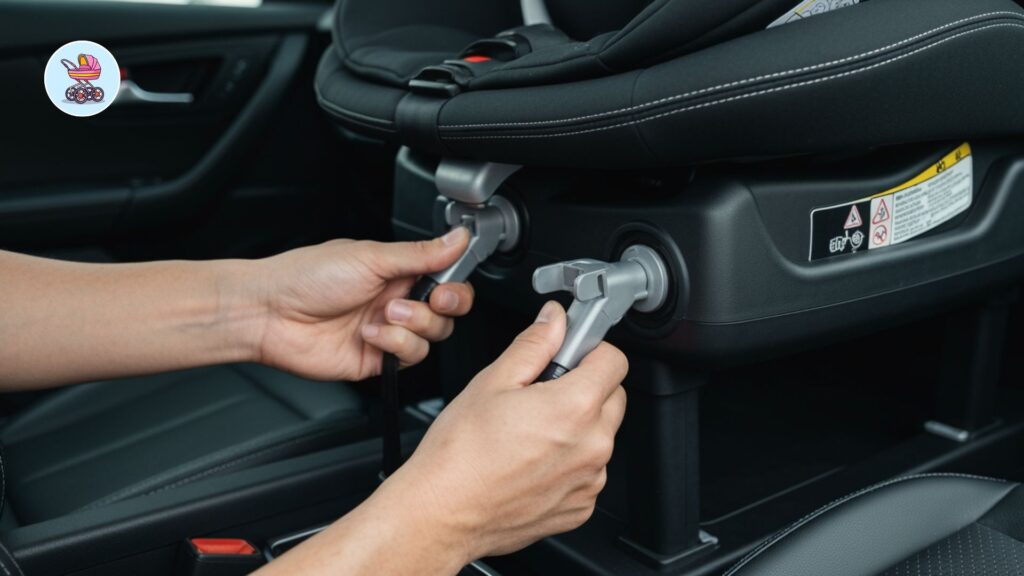
A lower anchor car seat only works well when installed correctly. Even the safest seat can fail if car seat installation is wrong. That is why parents should always follow a clear installation guide and double-check every step. Proper setup improves child safety and reduces risk during sudden stops.
Before starting, always confirm your vehicle anchor points are visible and compatible. Many parents also mix up seat belt installation with LATCH, which leads to confusion. A correct setup ensures the seat stays stable and supports strong car seat safety features in real driving conditions.
1. Read the Car Seat Manual Carefully
Every lower anchor car seat has a different design. The manual explains exact steps for your model. Reading it first prevents mistakes and helps you understand how to properly install car seat with anchors without guessing.
Manufacturers design instructions based on safety standards, so skipping this step can reduce safety. Always check both car seat and vehicle manuals together.
2. Attach Until You Hear a Click
A proper lower anchor car seat will always produce a strong click when connected. This sound confirms that lower anchor connectors are locked into place. If you do not hear it, the connection may not be secure.
This simple step is often ignored, but it is very important. A secure click means your LATCH system car seat is properly engaged with the car.
3. Check for Movement (1-Inch Rule)
After installation, test your seat by gently moving it at the base. A correctly installed lower anchor car seat should not move more than one inch in any direction. This is known as the one inch movement rule.
If it moves too much, recheck installation. This step helps you avoid common car seat installation mistakes and ensures proper stability for a rear-facing infant car seat.
4. Use Level Indicators Properly
Most modern seats include a level indicator car seat system. This shows if the seat is at the correct angle. Proper angle is important for breathing and comfort in a rear-facing infant car seat.
Incorrect tilt can affect safety. That is why checking recline is just as important as locking the anchors during car seat base installation.
5. Get a Professional Car Seat Check
Even if you follow all steps, it is smart to get expert help. You can also explore advanced installation-related comparisons like rotating car seats comparison rotating-car-seats-comparison to understand different installation systems. Certified technicians can verify your lower anchor car seat setup. They ensure correct alignment, tightness, and safety.
Many parents search how to reduce car seat movement, and professionals can help fix hidden mistakes. This extra step gives peace of mind and improves overall child safety during travel.
Common Mistakes When Using Lower Anchor Car Seats
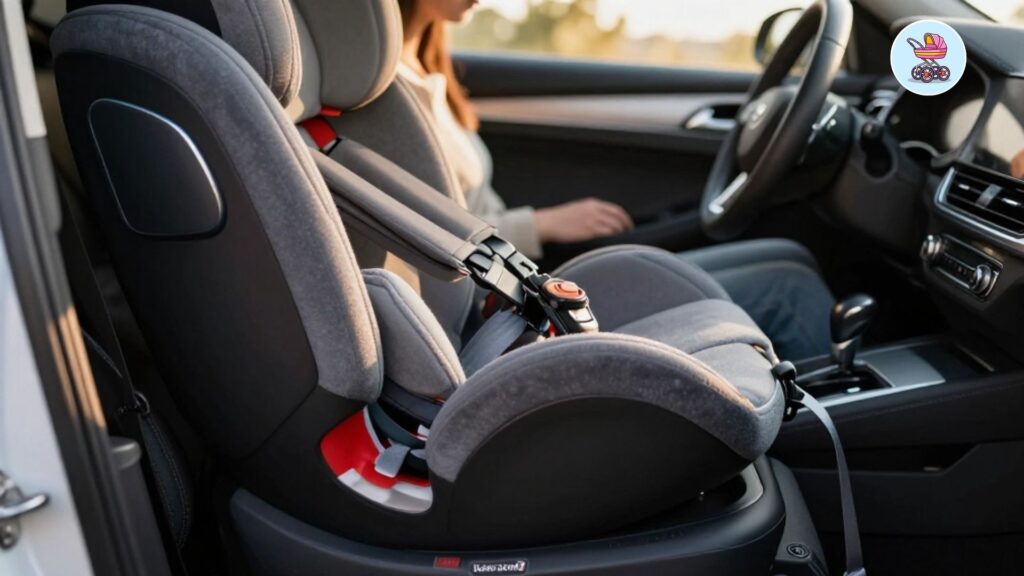
Many parents use a lower anchor car seat every day, but small mistakes can reduce child safety without them realizing it. Even a high-quality LATCH system car seat cannot perform well if installation or usage is wrong. Understanding these errors helps you improve car seat safety features in real driving situations.
Most problems happen during car seat installation or when parents ignore vehicle instructions. That is why knowing common issues can protect your child and ensure proper use of vehicle anchor points every time you travel.
• Loose Installation
A loose lower anchor car seat is one of the biggest safety risks. If the seat shifts more than one inch, it is not secure. This often happens when parents rush the installation guide or fail to tighten straps properly.
Always pull firmly after connecting the lower anchor connectors. A tight base ensures better stability and reduces movement during sudden stops.
• Wrong Anchor Points
Another common mistake is using incorrect vehicle anchor points. Some parents confuse seat belt slots with LATCH anchors. This leads to unsafe installation of a rear-facing car seat.
Always check your vehicle manual before installing the lower anchor car seat. Proper alignment ensures the system locks correctly and improves overall car seat safety.
• Ignoring Weight Limits
Every lower anchor car seat has a specific weight limit for LATCH use. Ignoring this limit can weaken the system. Many parents continue using anchors even after their child exceeds the safe range.
Once weight limits are crossed, switch to seat belt installation car seat mode. This step keeps the child harness system secure and prevents stress on anchors.
Understanding these mistakes helps parents get the most out of a lower anchor car seat. Small corrections can make a big difference in real-world safety and long-term protection.
Lower Anchor Car Seat Safety Tips Every Parent Should Know
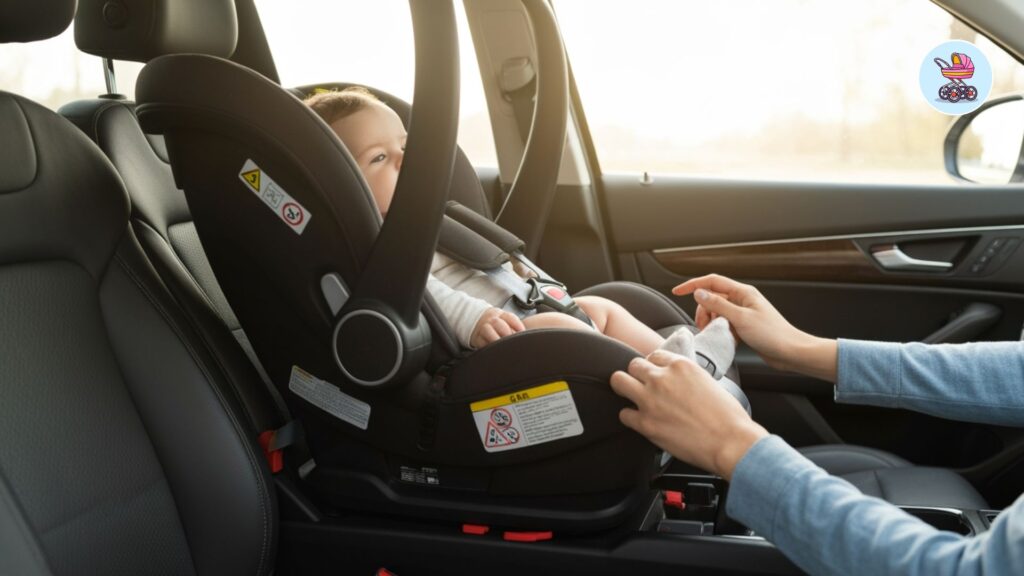
A lower anchor car seat works best when parents follow smart daily habits. Even the strongest car seat safety features cannot replace correct usage. That is why simple routines matter for every ride. Good habits improve child safety and reduce installation errors over time.
These tips also help you maintain proper rear-facing seat protection during early years. Many parents overlook small details, but those details often decide real-world safety performance.
• Rear-Facing Importance
A rear-facing lower anchor car seat protects a child’s head, neck, and spine during crashes. Experts recommend keeping children rear-facing as long as possible within weight limits.
This position spreads crash force evenly. It works better with LATCH system car seat installation, especially for infants under safety guidelines.
• Expiry Dates
Every lower anchor car seat comes with an expiry date. Materials weaken over time, even if the seat looks fine. Plastic, straps, and connectors lose strength after long use.
Always check the label under your seat. Expired seats may fail during impact, reducing vehicle anchor points safety and overall protection.
• Proper Harness Positioning
A correctly adjusted child harness system is critical for safety. Straps should sit snug at or below shoulder level for rear-facing setups.
Loose harnesses increase injury risk. Tight fitting ensures the lower anchor car seat holds your child firmly in place during sudden stops or collisions.
Are Lower Anchor Car Seats Worth It?
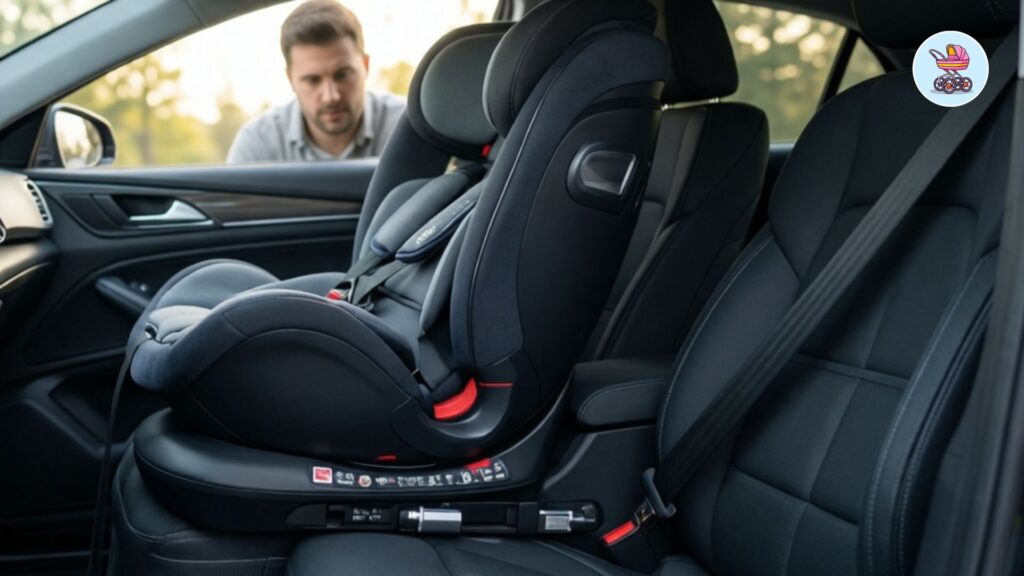
A lower anchor car seat often feels like a smart investment for modern parents in the USA. It combines speed, stability, and improved car seat safety features in one system. However, value depends on your lifestyle, budget, and how often you use vehicle anchor points during daily travel.
Many families compare it with seat belt installation car seat methods. While both are safe when used correctly, LATCH systems reduce guesswork and improve child safety through easier installation and fewer errors.
• Cost vs Benefits
A lower anchor car seat usually costs more than basic models. Premium engineering, rigid connectors, and added safety systems increase price. Still, the benefits often justify the cost for many parents.
You get faster car seat installation, stronger stability, and reduced risk of mistakes. Over time, these advantages improve confidence and everyday usability.
• Who Should Buy
Not every family needs a high-end lower anchor car seat, but many benefit from it. New parents often prefer it because it simplifies learning and reduces stress during installation.
It is also ideal for frequent travelers and city drivers who rely heavily on quick setup using LATCH system car seat technology and multiple vehicle anchor points.
Final Verdict: Should You Buy a Lower Anchor Car Seat?

A lower anchor car seat can be a strong choice for modern families who want quick setup and reliable car seat safety features. It reduces installation stress and improves daily convenience. Still, the real value depends on your driving routine, budget, and how well you follow installation guide instructions.
If you prioritize ease, then LATCH-based systems deliver solid child safety with fewer installation errors. However, proper use always matters more than the system itself, whether you rely on vehicle anchor points or seat belt methods.
• Clear Recommendation
A lower anchor car seat is worth it for most parents, especially beginners. If you are still comparing models, check our detailed best infant car seats list best-infant-car-seats for more options. It simplifies car seat installation and lowers the risk of incorrect setup. Many models also improve stability through rigid connectors and advanced rear-facing seat design.
However, parents should always confirm weight limits and compatibility before buying. This ensures long-term safety and proper use of the LATCH system car seat.
• Best Use Cases
A lower anchor car seat works best for daily commuters, new parents, and families who switch vehicles often. It is also ideal for compact cars where tight installation matters.
If you want fast setup, fewer mistakes, and strong child harness protection, then this system is a practical choice. Just remember, correct usage always defines true safety performance.
FAQs About Lower Anchor Car Seats
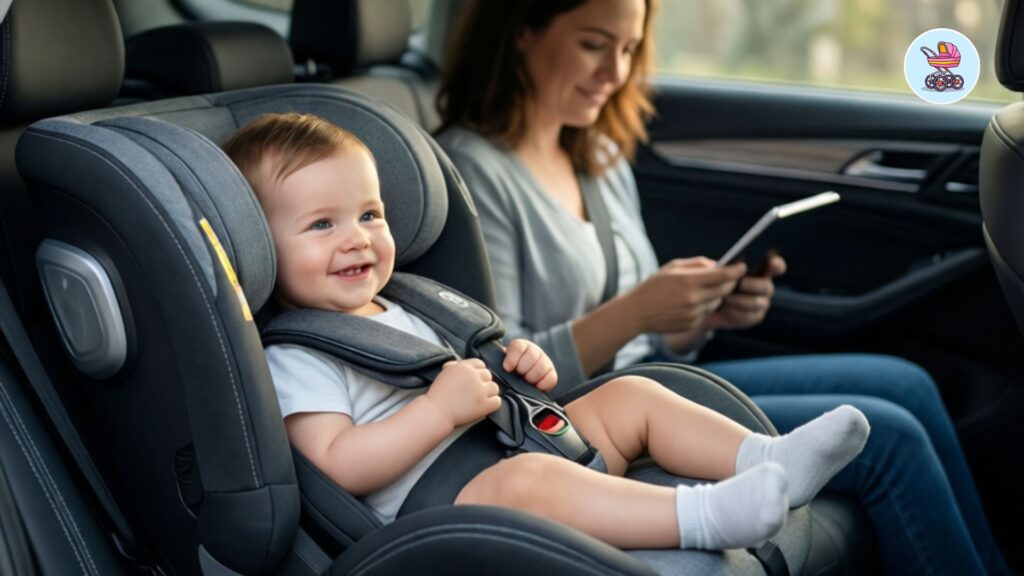
1. Is lower anchor or seat belt better?
Both are equally safe when installed correctly. Lower anchors are easier, while seat belts often work better for heavier kids.
2. Do all cars have lower anchors for car seats?
No, most cars after 2002 have them, but older vehicles may not include lower anchors.
3. When to stop using lower anchors?
Stop when your child or seat weight exceeds the LATCH limit, then switch to seat belt installation.
4. How to anchor down a car seat?
Attach connectors to vehicle anchor points, tighten straps, and check for less than 1-inch movement.
5. Are anchor car seats safe?
Yes, anchor (LATCH) car seats are very safe when installed correctly following manufacturer instructions.
6. What is the safest type of seat belt?
A 3-point seat belt (lap and shoulder belt) is the safest standard design.
7. What is a lower anchor in a car?
It is a metal attachment point in the vehicle used to secure a LATCH car seat.
8. Which car seat takes up less space?
Compact infant car seats with rigid LATCH or baseless designs usually take less space.
9. Do you need anchors for car seats?
No, you can also use seat belts if anchors are not available or weight limits are exceeded.
10. What is the weight limit for lower anchor car seats?
Usually around 65–80 lbs combined child + seat, depending on manufacturer.
11. Can I use both the latch and the seat belt?
No, you should use only one system at a time for safe installation.
12. Where should you lower an anchor?
You attach it to the vehicle’s built-in lower anchor points in the seat crease area.
13. Can you use a car seat without an anchor point?
Yes, you can safely install it using the seat belt system instead.
14. How to install a car seat with lower anchors?
Connect, tighten, lock, and test movement under 1 inch for proper installation.
15. What are the common mistakes when installing a car seat?
Loose fit, wrong anchor points, and ignoring weight limits are the most common mistakes.
16. Can car seats share lower anchors?
No, each car seat must have its own dedicated anchor set.
17. Which seat is the death seat in a car?
The middle rear seat is generally considered safest, not the “death seat.”
18. Which is the safest car seat brand?
Top brands like Nuna, Clek, and Britax are known for high safety standards.
19. What is the most common injury from a seat belt?
Chest and abdominal injuries can occur if the belt is positioned incorrectly.
20. Which is safer, ISOFIX or seatbelt?
Both are equally safe, but ISOFIX (LATCH) reduces installation errors.
21. Which seat is most likely to survive a car crash?
The rear middle seat with correct restraints offers the highest survival protection.