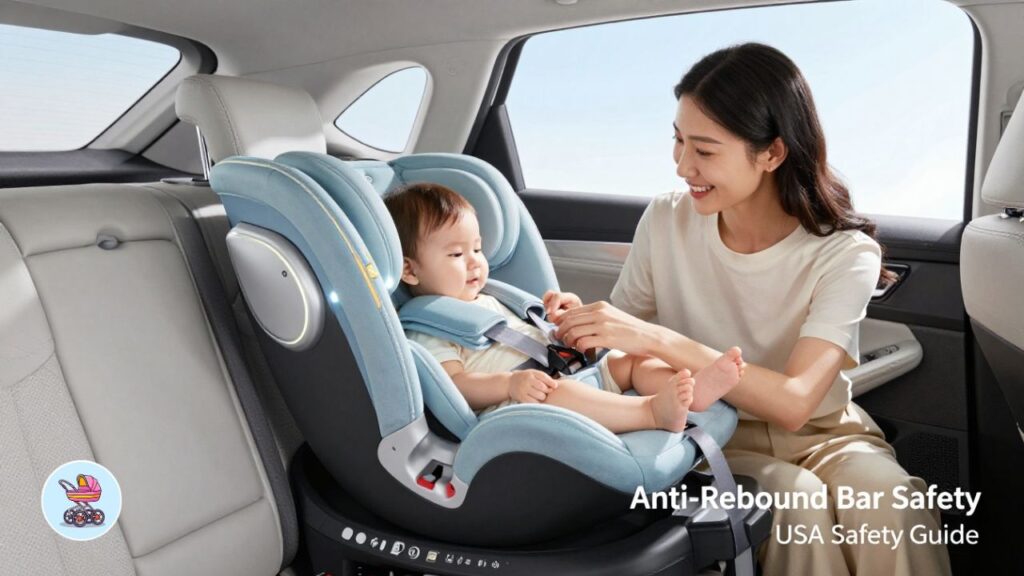
Your 6-month-old is rear-facing in the back seat, and someone taps your brakes hard from behind. What happens to her car seat in that split second? It moves forward, then swings back toward the vehicle seat — and that backward swing is what an anti-rebound bar is built to control.
An anti rebound bar car seat adds a solid bar or panel at the base that presses against the vehicle seat, stopping that backward motion from going too far. Britax’s own crash testing found their ARB design cut rebound rotation by roughly 40%. That’s the kind of number that actually matters when you’re comparing two similar-priced seats and trying to decide which one earns the extra $50.
To be clear upfront: rebound-related injuries are rare, and every seat sold in the U.S. passes federal crash testing without needing an ARB. This feature is a genuine upgrade, not a fix for something dangerous that’s currently happening to kids without it.
Table of Contents
What Is an Anti-Rebound Bar in a Car Seat?
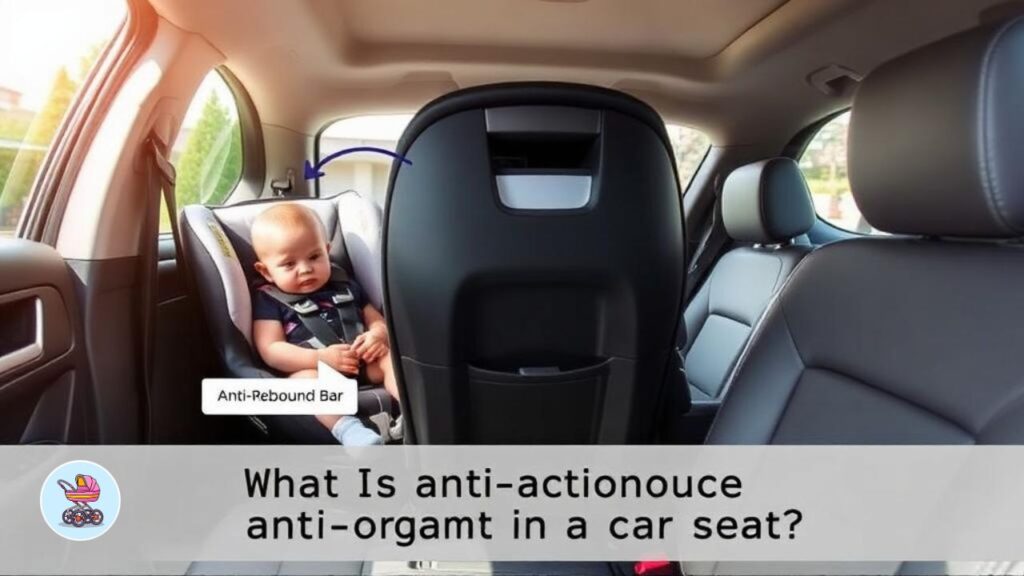
Picture dropping a basketball. It hits the floor, then bounces back up toward your hand. A rear-facing car seat does something similar in a crash — forward first, then back. That second motion is the “rebound,” and it’s what the bar is named after.
The ARB doesn’t stop the initial forward movement — that’s the load leg’s job, or in seats without one, the seat belt and vehicle cushion. What the ARB does is shorten how far the seat swings back afterward, so there’s less secondary motion for your child’s head and neck to absorb.
Simple Definition
In simple words, an anti rebound bar car seat has a strong bar at the base that touches the vehicle seat. This bar helps stop the seat from bouncing back during a crash. It improves motion control and reduces impact energy on your child.
Think of it like a stopper behind a chair. When force pushes it forward, it won’t bounce too far back. This improves accident prevention and adds better occupant protection inside the car.
How It Works in Rear-Facing Car Seats
A rear-facing position is already safer because it spreads crash forces across the child’s body. When combined with an anti rebound bar function, the seat becomes even more stable. The bar presses against the vehicle seat and limits forward rotation.
This helps manage collision dynamics and improves energy management. It also supports proper seat positioning, making sure your child stays secure throughout the crash sequence.
Why Manufacturers Include Anti-Rebound Bars
Car seat brands focus heavily on safety standards and better protective design. Adding an ARB car seat feature improves safety performance and helps meet strict safety compliance rules in the USA.
Parents now demand better baby car seat enhancement and advanced child car protection system features. That’s why companies invest in technologies like force absorption and structural support to reduce injuries during accidents.
What Happens in a Crash? (Rebound Explained)
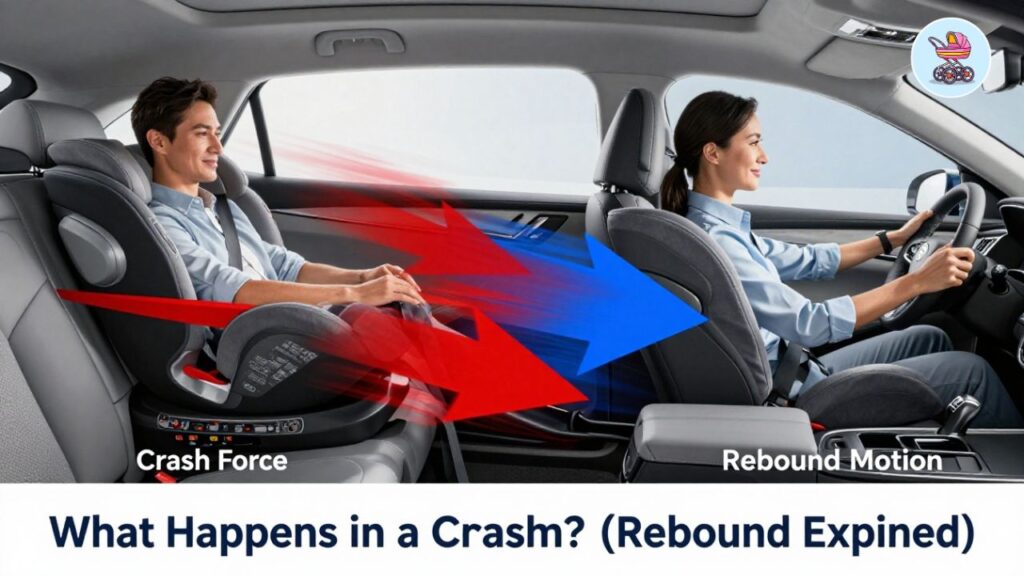
When a crash occurs, your anti rebound bar car seat doesn’t stay still. First, everything moves forward due to crash forces, then it swings back because of stored kinetic energy. This backward swing is called rebound motion, and it plays a key role in child passenger safety.
An anti rebound bar car seat improves car seat rebound control by limiting that backward movement. This helps manage impact energy and protects your child within the vehicle impact zones. It also supports better force distribution, which is critical for injury reduction.
| Crash Phase | What Happens | Why It Matters |
| Initial Impact | Seat moves forward | Absorbs major force |
| Compression | Seat sinks into cushion | Reduces energy |
| Rebound | Seat moves backward | Risk to head/neck |
| Stabilization | ARB limits motion | Improves safety |
Forward Motion vs Rebound Motion
During a crash, forward motion happens first. The seat moves toward the impact, absorbing most of the crash dynamics. After that, rebound motion occurs when the seat springs back due to leftover impact energy.
This second phase is often ignored, but it still affects occupant protection. An anti rebound bar car seat controls this movement and improves motion control, reducing stress on your child’s body.
How Rear-Facing Seats Actually Move in a Crash
In a frontal collision, everything inside the car moves toward the point of impact — including the car seat. As it rotates forward, the vehicle cushion compresses and the belt or LATCH strap stretches, which actually absorbs a good chunk of the crash energy before the seat ever swings back. By the time the seat reaches the back of the vehicle seat, roughly a third of that original energy is already gone.
The rebound phase is what’s left over. Without an ARB, the seat still stops — just with a slightly harder contact against the vehicle seat back. With an ARB, that stop is more controlled.
Why Rebound Can Be Dangerous
Rebound may seem small, but it can still cause harm. The backward movement can push your child toward the vehicle seat, increasing the risk of head or neck strain. This affects overall child car seat safety features.
An anti rebound bar car seat reduces these risks by controlling motion and improving risk reduction. It also supports better accident prevention, especially in high-speed crashes where collision dynamics are more intense.
Does My Rear-Facing Car Seat Need an Anti-Rebound Bar?
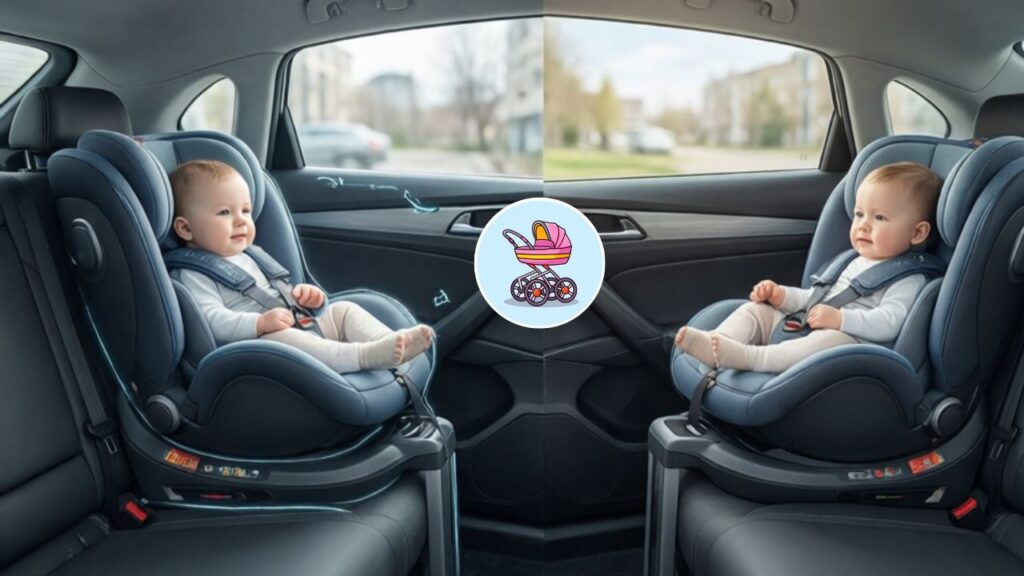
Many parents ask if an anti rebound bar car seat is truly necessary. The short answer is no, it’s not required by law in the USA. However, it adds an extra layer of rear facing car seat protection and improves overall child safety in cars, especially during sudden impacts.
If you want stronger car interior child protection, choosing an anti rebound bar car seat makes sense. It enhances child restraint system safety by controlling seat movement and reducing rebound motion. Think of it as a bonus safety upgrade rather than a basic requirement.
Is It Required or Optional?
In the United States, car seats must meet strict safety standards, but an ARB car seat feature is still optional. Brands include it to improve safety performance and offer better accident prevention for families who want extra protection.
Even without it, seats must pass crash test results under federal rules. However, adding this feature improves safety compliance and gives parents peace of mind, especially when focusing on long-term vehicle safety for kids.
Situations Where It Matters Most
An anti rebound bar car seat becomes more useful in smaller vehicles where space is tight. In these cases, better seat positioning and controlled forward rotation help avoid unnecessary movement during a crash.
It also matters for newborns and infants. Younger children need better child positioning and stronger impact protection system support. This feature works well in high-speed driving conditions where crash forces are stronger.
Expert Safety Recommendations
Experts suggest combining features like rear-facing position, strong harness systems, and advanced car seat accessory features. Many recommend ARB because it improves energy management and overall protective design.
You’ll also find similar advice in guides like the Careforcuties, where safety-focused parents explore tools and comparisons. For example, pairing a safe seat with the right stroller system, like those in this guide:
2026-edition baby strollers with car seat
can improve your overall baby safety equipment for cars setup.
Why Canada Treats This Differently
Here’s something most U.S. guides skip: in Canada, anti-rebound bars aren’t optional the way they are here. Canadian Motor Vehicle Safety Standards (CMVSS) require them on many rear-facing seats, which is why ARBs became standard on Canadian car seats years before they showed up widely in the U.S. market.
That regulatory gap is part of why American parents are only now discovering a feature Canadian parents have had for over a decade. It’s not that U.S. seats are less safe — they meet a different set of federal standards (FMVSS) — but it does explain why ARB still feels like a “new” or premium feature here.
Does an Anti-Rebound Bar Help in Rear-End Crashes?
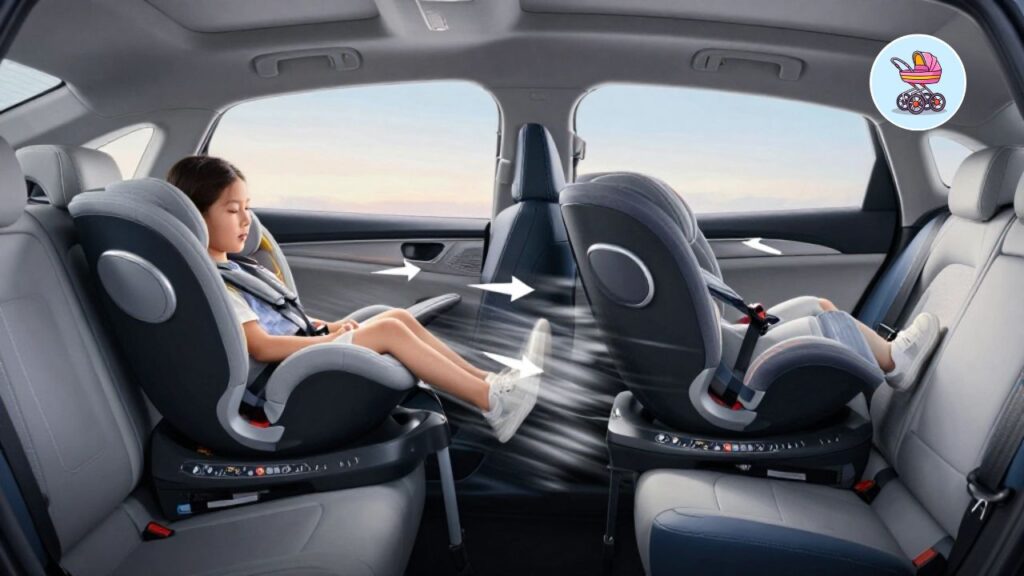
Here’s something worth being honest about: rear-facing seats don’t rebound the same way in a rear-end crash as they do in a frontal one. In a rear-end collision, the whole vehicle gets pushed forward, so a rear-facing seat is already oriented in a more favorable direction relative to the force — it doesn’t go through the same forward-then-back rebound cycle that defines a frontal crash.
That doesn’t mean the ARB is useless in a rear-end scenario. It still adds stability to the base and helps limit side-to-side shifting if the impact isn’t perfectly straight-on, which real-world crashes rarely are. But its main job, and the reason it exists, is frontal-impact rebound control.
Safety Myths vs Reality
One common myth is that ARB does nothing in rear crashes. In reality, it still helps with force distribution and reduces excessive rebound motion. It may not eliminate movement completely, but it improves risk reduction.
Another myth is that only expensive seats have this feature. Many modern convertible car seat safety models now include ARB as part of standard car seat safety accessories, making it more accessible for parents.
Real-World Testing Insights
Crash simulations show that controlling movement after impact improves injury reduction. Even small improvements in force absorption can protect a child’s head and neck during the crash sequence.
If you’re comparing seats, you can explore options like this detailed comparison:
rotating car seat comparison
which highlights different child car seat safety features and how they perform in real conditions.
How Does Rebound Affect Injury Outcomes?
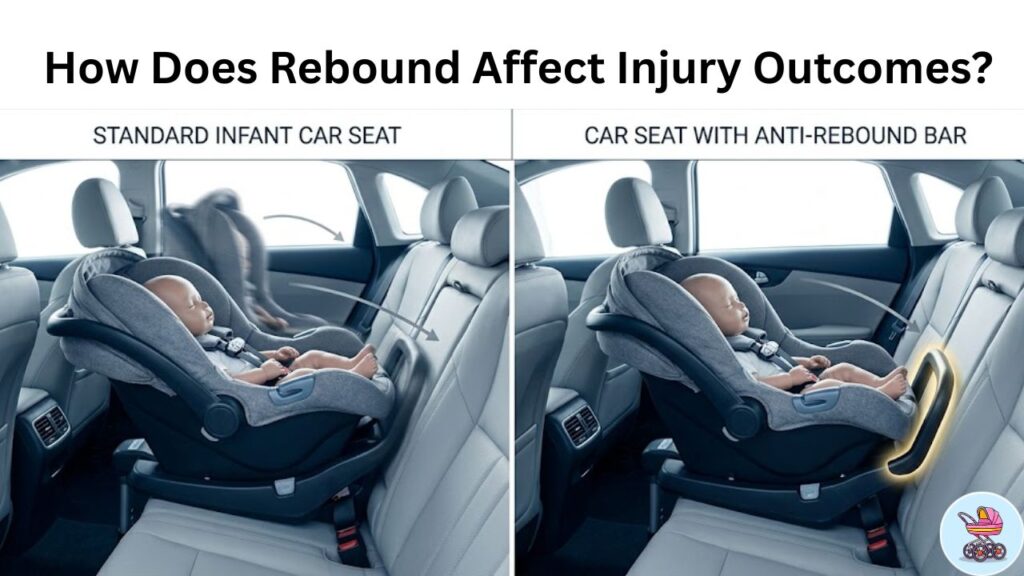
Rebound may look like a simple bounce, but in reality it involves complex crash dynamics and kinetic energy transfer. When a child seat moves back after impact, it creates extra motion that can increase stress on the body. This is why rear-facing car seat safety is strongly linked with controlling rebound.
An anti rebound bar car seat reduces this movement and improves injury reduction. It helps manage force distribution across the seat and lowers the risk of sudden jerks. This improves overall child restraint system safety and enhances occupant protection during crashes.
Impact on Baby’s Head and Neck
A baby’s neck is very weak compared to adults. During rebound motion, the head can move quickly, increasing strain on the spine. This is why rear facing car seat protection is so important in early years.
An anti rebound bar car seat helps reduce this sudden backward motion. It supports better seat positioning and limits harmful movement, improving car seat accident protection for infants and toddlers.
Crash Test Findings
Crash testing shows that reducing rebound improves safety performance. Seats with controlled rebound motion show lower stress levels on head and neck areas. This is linked to better energy management during impact.
Modern vehicle child safety systems are designed to absorb impact energy in a controlled way. ARB systems add another layer of protection by improving force absorption and reducing unnecessary motion after the crash.
Safety Ratings and Data
Safety agencies focus on crash test results, safety standards, and real-world performance. While ARB is not always required for certification, it can improve a seat’s overall crash protection support score in internal testing.
| Feature | Effect on Safety |
| Anti-Rebound Bar | Reduces backward motion |
| Load Leg System | Improves stability |
| Deep Shell Design | Improves force absorption |
| 5-Point Harness | Improves child restraint system safety |
Parents looking for better baby safety equipment for cars often choose seats with multiple features combined for stronger accident prevention.
Anti-Rebound Bar vs Load Leg – Which Is Better?
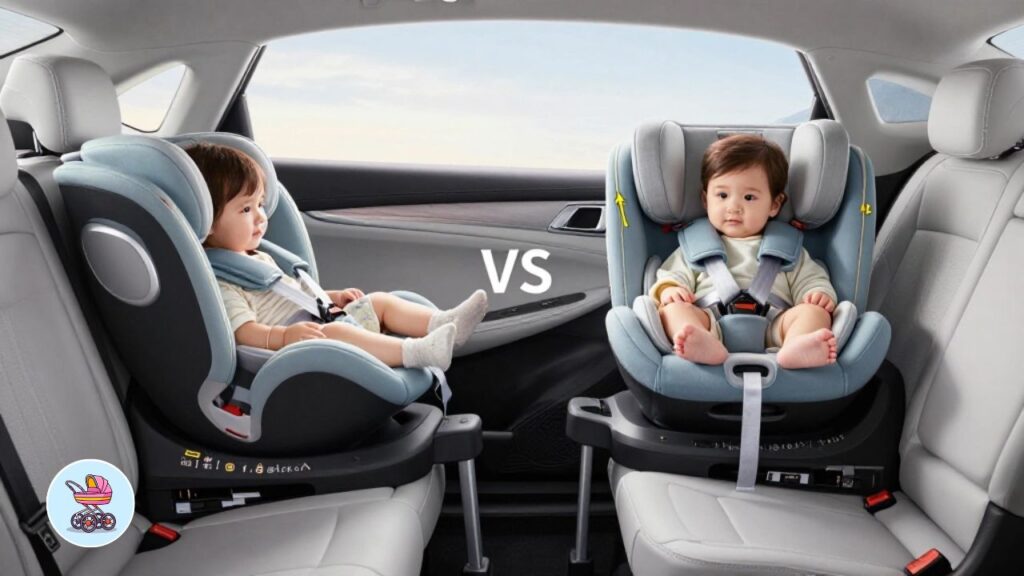
When parents compare an anti rebound bar car seat, they often come across another strong feature called the load leg system. Both are designed to improve child passenger safety, but they work in different ways. The goal of both is simple: reduce movement and improve crash protection support during impact.
An anti rebound bar car seat mainly controls backward motion. A load leg mainly controls downward and forward motion. Both improve rear facing car seat safety, but they focus on different parts of crash dynamics and energy management.
What Is a Load Leg?
A load leg system is a metal support leg that extends from the car seat base to the vehicle floor. It creates a strong anchor point that reduces seat rotation during a crash. This improves force absorption and reduces pressure on the child.
It is widely used in modern vehicle child safety systems because it adds strong structural support and improves occupant protection by limiting seat movement in the first impact phase.
Key Differences (ARB vs Load Leg)
Both features aim for injury reduction, but they act differently in a crash. The ARB controls rebound motion, while the load leg controls downward force and rotation. Together, they improve overall child restraint system safety.
| Feature | Anti-Rebound Bar | Load Leg System |
| Main Function | Controls rebound motion | Reduces forward rotation |
| Position | Behind seat base | From seat to floor |
| Safety Focus | Backward movement control | Vertical stability |
| Energy Control | Limits rebound energy | Absorbs crash energy |
This comparison helps parents understand the safety comparison between two advanced car seat safety accessories.
Pros and Cons of Each
An anti rebound bar car seat improves motion control and is especially helpful in rear-facing setups. However, it may require more space behind the seat. A load leg system improves safety performance, but it may not be compatible with all vehicles.
Both systems support accident prevention, but they focus on different vehicle impact zones. Experts often say combining features offers the best child car protection system results.
Can You Have Both?
Yes, some premium car seats offer both ARB and load leg features together. This combination provides stronger impact protection system support and better force distribution during crashes.
This dual system improves rear facing car seat technology and offers one of the highest levels of vehicle safety for kids. It is often recommended for parents who want maximum risk reduction and advanced safety compliance.
Types of Car Seats with Anti-Rebound Features
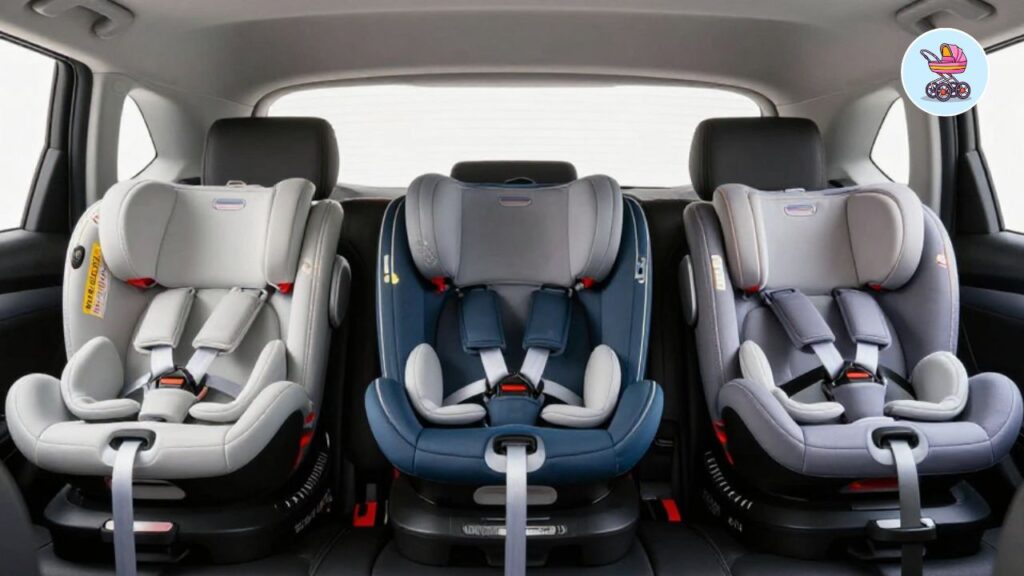
An anti rebound bar car seat is not limited to one style. It is now included in different designs to improve child car seat safety features and overall rear-facing car seat safety. Manufacturers add this feature in both infant and convertible seats to enhance crash protection support.
These seats are designed with better vehicle child safety systems in mind. The goal is to reduce rebound motion, improve energy management, and give stronger occupant protection during a crash. Parents can choose based on age, weight, and installation needs.
Infant Car Seats with Anti-Rebound Bars
Infant seats are the most common type with an infant car seat ARB feature. These seats are designed for newborns and small babies who need maximum rear facing car seat protection and soft impact energy handling.
In these seats, the ARB helps control sudden movement after a crash. It improves child positioning, enhances seat stability features, and supports better car seat accident protection for fragile neck and spine development.
Convertible Car Seats with Anti-Rebound Bars
A convertible car seat safety model can be used rear-facing and forward-facing. Many modern versions now include an anti rebound bar function to improve safety in the rear-facing stage.
This design improves force absorption and reduces stress during the crash sequence. It also helps parents transition from infant to toddler stage without losing important child restraint system safety benefits.
Built-in vs Add-on Anti-Rebound Bars
Some seats come with a built-in ARB, while others offer it as an add-on accessory. Built-in systems usually provide stronger safety performance because they are part of the original protective design.
| Type | Description | Safety Level |
| Built-in ARB | Integrated into seat base | High |
| Add-on ARB | Installed separately | Medium to High |
A third variation is worth knowing about: The height-adjustable ARB. A few brands, including Cybex on select models, let you adjust the bar’s position to add rear-facing legroom as your child grows, instead of locking it to one fixed spot. It’s a small detail, but it can matter if you’re planning to rear-face past age two and want your toddler’s legs to stay comfortable.
Built-in versions usually offer better installation accuracy and reduce misuse risks, while add-ons depend more on correct setup and proper installation.
The Hidden Type Most Parents Never Notice
Not every anti-rebound feature looks like a bar. On some infant seats, the carry handle itself does the job — when locked into a specific rear-facing position, it acts as the contact point that limits backward rebound instead of a separate bar underneath.
If your infant seat doesn’t have a visible bar or panel, check the manual for handle position requirements before assuming it has zero rebound protection. You might already have it and not know it.
One Thing Every Parent With a Convertible Seat Needs to Know
If your convertible car seat has a detachable ARB, you have to remove it the day you switch your child to forward-facing. Leaving it attached isn’t a minor oversight — it changes how the seat behaves in a crash and can put your child at more risk, not less.
This is one of the most commonly missed steps when families transition seats around a first or second birthday. Check your manual, and if the bar unclips, mark the switch date on your phone calendar so it doesn’t slip past you.
Car Seats Without Anti-Rebound Bars – Are They Safe?
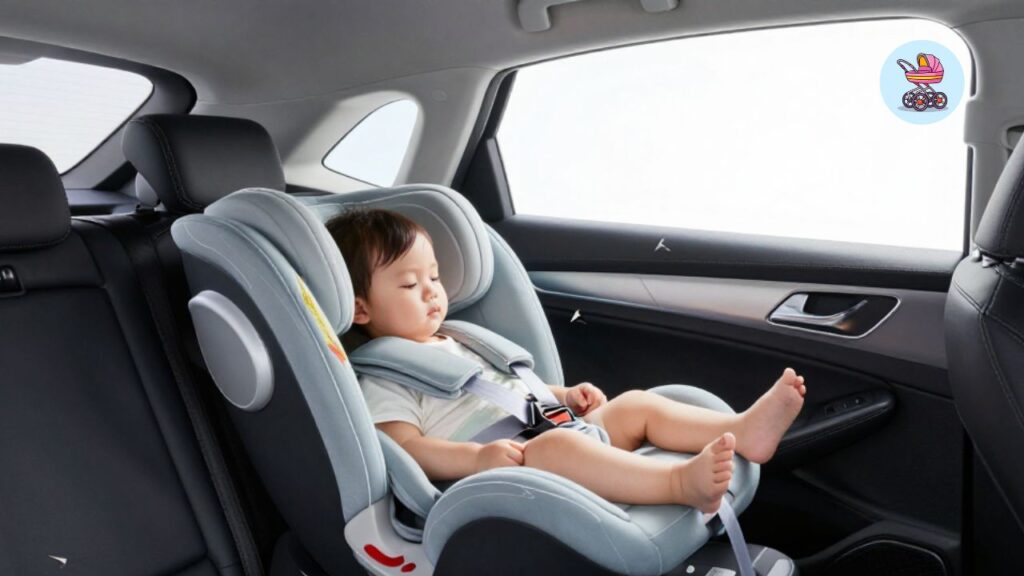
A car seat without an anti rebound bar car seat feature can still be safe if it meets strict safety standards. In the USA, all approved seats must pass federal safety compliance rules. These rules ensure basic child restraint system safety during crashes.
However, without ARB, the seat may allow more rebound motion after impact. That does not always mean danger, but it can increase movement inside vehicle impact zones. This is why parents often compare different car seat crash safety feature options before buying.
Alternative Safety Features (e.g., Load Leg, Seat Design)
Even without ARB, many seats use other systems for crash protection support. These include load leg system, deep seat shells, and advanced energy absorbing base designs. All these features improve force absorption and reduce crash impact.
Modern vehicle child safety systems also use better safety harness system designs and reinforced frames. These improvements help maintain strong occupant protection even without an anti-rebound bar.
Brand Example: InfaSecure Approach
Some brands skip the external bar entirely and put the engineering into the seat shell instead — deeper foam-lined sides, steel-reinforced frames, and energy-absorbing bases that manage crash forces without an add-on part sticking out the back. Neither approach is objectively “better” on its own; what matters is how the whole seat performs in testing, not whether it has a visible bar.
Safety Standards and Certifications
Every car seat sold in the USA must meet government-approved safety standards. These ensure that even seats without ARB still provide basic injury reduction and crash protection.
| Safety Element | Purpose |
| Crash Testing | Measures real impact performance |
| Harness System | Keeps child securely positioned |
| Seat Shell Design | Absorbs crash energy |
| LATCH System | Improves installation accuracy |
So even without an anti rebound bar car seat, a certified seat still offers essential vehicle safety for kids, but added features can improve overall safety performance.
Counterfeit Car Seats Warning – Are Cheap Models Safe?
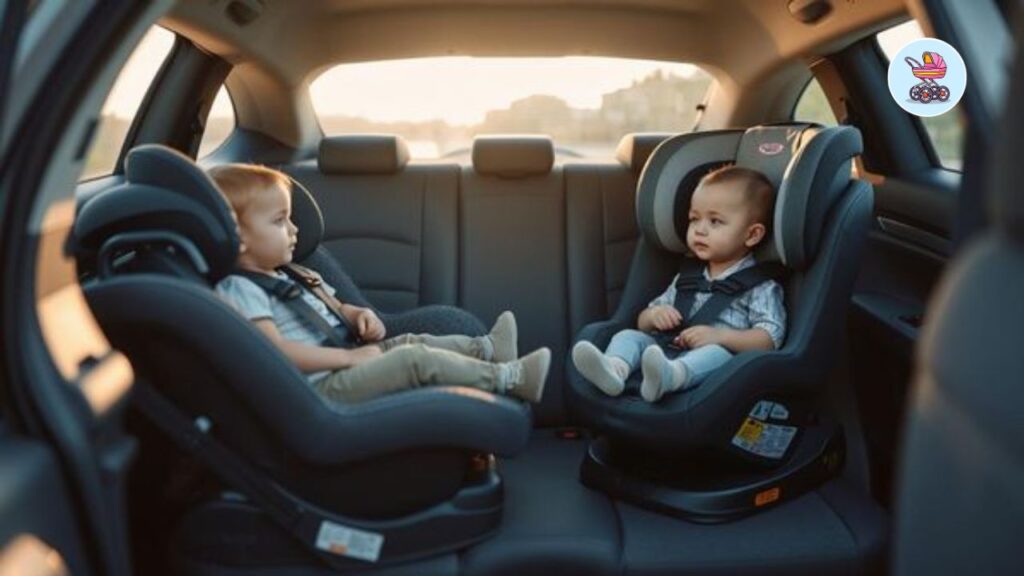
A real anti rebound bar car seat is built with strict engineering, tested under strong safety standards, and designed for proper child passenger safety. But fake or cheap copies can look similar while failing in real crash dynamics. These unsafe products can seriously reduce child restraint system safety.
Counterfeit seats often ignore proper vehicle child safety systems design. They may fail during impact energy transfer, leading to poor occupant protection. This creates high misuse risks, especially during sudden crashes where crash forces are extreme.
How to Identify Fake Car Seats
Fake seats often look like popular brands but lack certification details. A real anti rebound bar car seat always comes with proper labels, manuals, and verified safety compliance marks. Missing or unclear labels are a major warning sign.
Parents should always check installation accuracy guides and official branding. Poor stitching, lightweight plastic, or missing LATCH system instructions are also signs of unsafe products.
Risks of Low-Quality Materials
Cheap car seats often use weak plastic and low-grade metal. This affects force absorption and reduces overall impact protection system performance. In a crash, the seat may break instead of protecting the child.
This directly increases injury risk and reduces vehicle safety for kids. Without proper engineering, even features like an anti rebound bar function become useless because the structure itself cannot handle collision dynamics.
Where to Buy Genuine Car Seats
Always buy from trusted stores or official brand websites. Reliable retailers ensure proper child car protection system standards and verified safety performance testing.
For example, safety-focused parenting platforms like Careforcuties help parents explore genuine product reviews and safe buying guides. You can also compare safe travel systems here:
best affordable car seat and stroller
Buying from trusted sources ensures better accident prevention, correct seat positioning, and reliable crash protection support.
Load Legs 101 – What You Need to Know
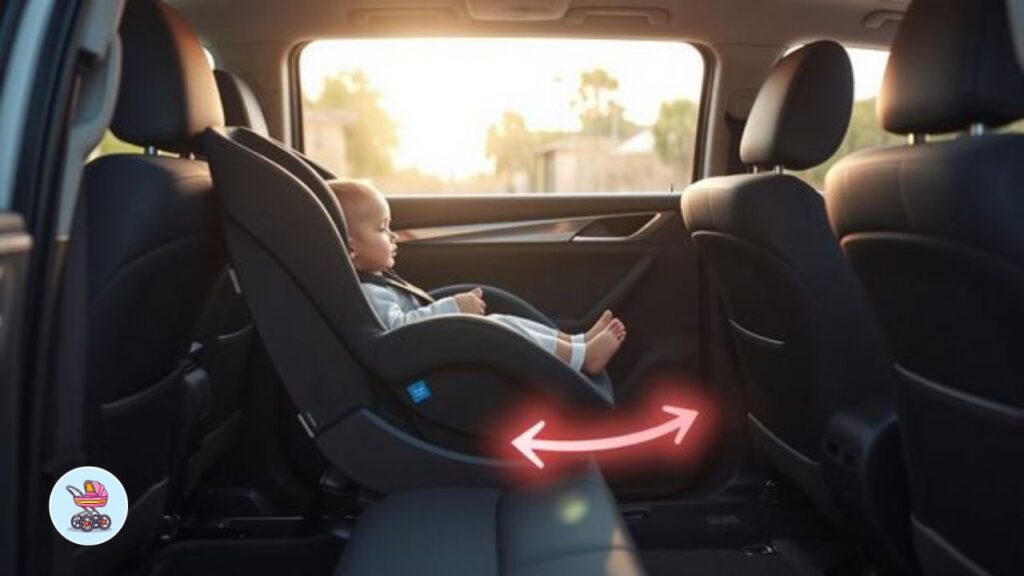
A load leg system is another powerful feature used in modern vehicle child safety systems. While an anti rebound bar car seat controls backward movement, a load leg focuses on reducing downward rotation and improving stability during a crash. Together, they enhance child passenger safety and overall crash protection support.
This system is now widely used in premium seats because it improves rear facing car seat safety and helps manage crash forces more effectively. It plays a major role in reducing movement inside vehicle impact zones, especially during high-speed collisions.
How Load Legs Work
A load leg extends from the car seat base directly to the vehicle floor. It creates a strong connection that reduces forward tipping during a crash. This improves force distribution and supports better energy management inside the seat structure.
During impact, the load leg absorbs part of the impact energy, helping reduce stress on the child’s body. It also improves seat positioning and limits unwanted rotation caused by deceleration and kinetic energy.
Benefits in Crash Protection
Load legs offer strong advantages in injury reduction. They help stabilize the seat and reduce both forward and downward movement. This improves overall occupant protection and supports safer crash sequence behavior.
They are especially useful in rear-facing position setups where infants need extra support. Combined with a strong harness and deep shell design, load legs improve safety performance and reduce risks linked with collision dynamics.
When to Choose Load Leg Over ARB
Choosing between a load leg and an anti rebound bar car seat depends on your vehicle and child’s needs. A load leg can cut crash forces by roughly 40-50% because it stops the seat from moving forward as much in the first place — less forward motion means less to rebound from. An ARB doesn’t reduce that initial forward force; it manages what happens after. If your vehicle’s floor and seating position allow it, a load leg generally does more heavy lifting. An ARB is the better option when a load leg won’t fit — angled floors, under-seat storage, or middle seating positions where there’s no clear floor space.
| Feature | Load Leg | Anti-Rebound Bar |
| Main Focus | Downward stability | Backward motion control |
| Energy Control | High | Medium |
| Space Needed | Floor support required | Seat base only |
| Best For | Maximum crash stability | Compact safety enhancement |
Many parents choose seats that include both features for stronger child car seat safety features and improved risk reduction in all crash types.
Car Seats with Anti-Rebound Features (Top Picks Tables)
Choosing the right anti rebound bar car seat is not just about comfort. It is about strong child safety in cars, better crash protection support, and reliable rear facing car seat safety. In the USA, many trusted brands now offer advanced ARB car seat features to improve child passenger safety.
These seats are designed with improved energy management, strong force distribution, and better impact protection system engineering. They also support better seat positioning, which helps reduce injury risks during sudden crashes and improves overall safety performance.
Infant Car Seats with Anti-Rebound Features
| Model | Price | Detailed Review | Check price on Amazon |
|---|---|---|---|
| Baby Jogger City GO 2 | $349.99 | best-infant-car-seats | Click Here |
| Britax Willow S | $249.99 | britax-one4life-slim-clicktight | Click Here |
| Britax Willow SC | $299.99 | britax-poplar-review | Click Here |
| Britax Cypress | $329.99 | britax-poplar-vs-poplar-s | Click Here |
| Chicco Fit2 | $329.99 | chicco-car-seat | Click Here |
| Chicco KeyFit35 | $229.99 | chicco-car-seat | Click Here |
| Cybex Aton G Swivel | $399.95 | best-infant-car-seats | Click Here |
| Cybex Cloud G Lux | $449.95 | best-infant-car-seats | Click Here |
| Cybex Cloud T | $549.95 | best-infant-car-seats | Click Here |
| Diono LiteClik 30 XT SafePlus | $229.99 | slim-car-seats | Click Here |
| Evenflo LiteMax NXT | $199.99 | evenflo-vs-doona | Click Here |
| Evenflo Shyft DualRide | $499.99 | evenflo-shyft-dualride-review-2026 | Click Here |
| Graco SnugRide SnugFit 35 Elite | $239.99 | graco-slimfit3-lx-review | Click Here |
| Graco SnugRide SnugFit 35 DLX | $199.99 | graco-slimfit-vs-slimfit-lx | Click Here |
| Nuna PIPA rx | $325 | best-infant-car-seats | Click Here |
| UPPAbaby Aria | $349.99 | uppababy-vista-v2-mesa-car-seat | Click Here |
Convertible Car Seats with Anti-Rebound Features
| Model | Price | Detailed Review | Check price on Amazon |
|---|---|---|---|
| Britax One4Life | $389.99 | britax-one4life-slim-clicktight | Click Here |
| Britax Poplar S | $349.99 | britax-poplar-vs-poplar-s | Click Here |
| Chicco Fit360 | $399.99 | chicco-car-seat | Click Here |
| Clek Foonf | $579.99 | slim-car-seats | Click Here |
| Cybex Callisto G 360 | $599.95 | rotating-car-seats-comparison | Click Here |
| Diono Radian 3RXT SafePlus | $299.99 | slim-car-seats | Click Here |
| Evenflo Revolve360 Extend | $399.99 | evenflo-revolve-360-extend | Click Here |
| Evenflo Revolve360 Slim | $329.99 | evenflo-revolve-360-slim-vs-extend | Click Here |
| Graco Extend2Fit 3-in-1 ft. ARB | $289.99 | graco-slimfit3-lx-review | Click Here |
| Graco Premier 4Ever DLX ft. ARB | $429.99 | graco-slimfit-vs-slimfit-lx | Click Here |
| Graco True3Fit LX ft. ARB | $249.99 | graco-slimfit3-lx | Click Here |
| Joie Chili Spin 360 | $299.99 | rotating-car-seat-comparison | Click Here |
| Maxi-Cosi Emme 360 | $449.99 | maxi-cosi-zelia%c2%b2-travel-system | Click Here |
| Nuna REVV | $650 | best-infant-car-seats | Click Here |
| Safety 1st Turn and Go 360 DLX | $319.99 | rotating-car-seats-comparison | Click Here |
Premium models usually offer stronger vehicle child safety systems, better injury reduction, and improved crash test results performance.
Pros and Cons of Anti-Rebound Bars
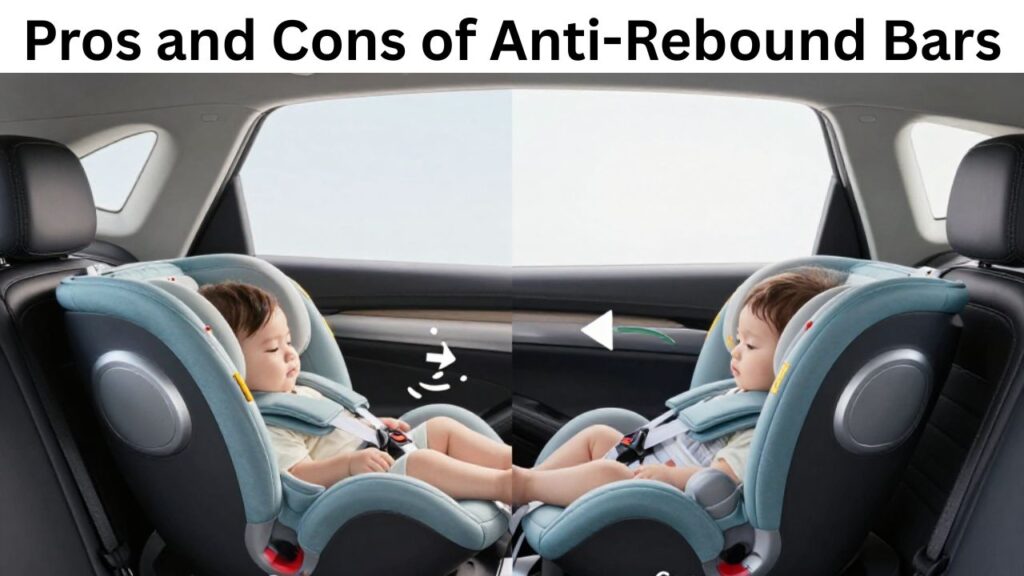
An anti rebound bar car seat is a strong car seat crash safety feature designed to improve rear facing car seat safety. But like every safety system, it has both benefits and limitations. Understanding both helps parents make better choices for child passenger safety and long-term vehicle safety for kids.
This feature improves motion control and reduces unwanted rebound motion after impact. However, it may not be necessary for every family depending on vehicle size, budget, and other vehicle child safety systems already in use.
Advantages for Safety
The biggest advantage of an anti rebound bar car seat is better control of crash forces. It reduces backward movement and improves force distribution during the crash sequence. This helps lower stress on a child’s head and neck.
It also supports better energy management inside the seat. Combined with rear-facing position and a strong harness system, it improves occupant protection and reduces injury reduction risk in sudden impacts.
Many parents prefer it because it improves overall child restraint system safety and adds confidence during daily travel.
Possible Drawbacks (Space, Cost, Installation)
Even though ARB improves safety, it has a few limitations. Some vehicles may feel tight because the bar needs extra space for proper seat positioning. This can affect small cars or compact seating setups.
Cost is another factor. Seats with advanced ARB car seat feature systems are often more expensive due to better protective design and materials. Installation can also require more attention to avoid installation errors and ensure proper installation accuracy.
| Factor | Advantage | Challenge |
| Safety | Better rebound control | Not always required |
| Space | Stable seat placement | Needs extra clearance |
| Cost | Advanced protection | Higher price range |
| Installation | Strong stability | Needs correct setup |
Despite these small drawbacks, ARB remains a strong baby car seat enhancement for families focused on higher safety performance and accident prevention.
Installation Tips for Anti-Rebound Bar Car Seats
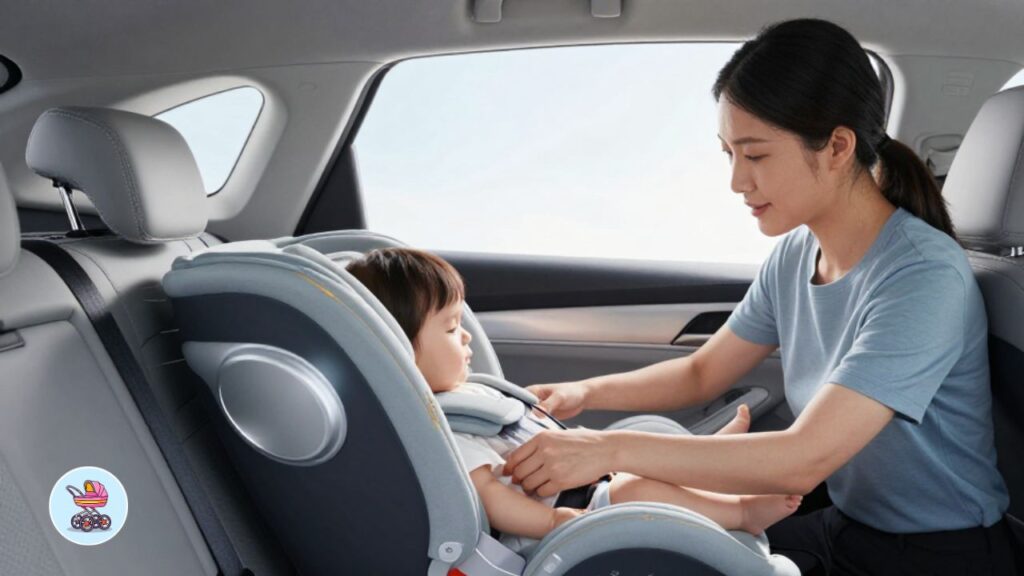
Installing an anti rebound bar car seat correctly is very important for true child passenger safety. Even the best car seat crash safety feature will not work properly if the installation is wrong. Proper setup ensures better rear facing car seat safety, improved motion control, and strong occupant protection.
Correct proper installation also improves vehicle child safety systems performance. It reduces installation errors, improves safety compliance, and ensures the seat can manage crash forces and impact energy effectively during a collision.
Proper Positioning
The first step is correct seat positioning inside the car. The base of the anti rebound bar car seat must sit firmly against the vehicle seat without gaps. This helps control rebound motion and improves force absorption.
Always keep the seat in a stable rear-facing position for infants and toddlers. This improves child positioning, reduces forward rotation, and supports better energy management during a crash. A tight fit also improves seat stability features.
Common Mistakes to Avoid
Many parents make small mistakes during installation that reduce safety performance. One common issue is loose installation, which increases crash dynamics movement and weakens crash protection support.
Another mistake is incorrect angle setup. If the seat is too upright or too reclined, it affects rear facing car seat technology and reduces injury reduction benefits. Misuse of the LATCH system or seat belt tensioning can also impact installation accuracy.
| Mistake | Risk |
| Loose installation | Poor stability |
| Wrong angle | Reduced protection |
| Improper LATCH use | Weak anchoring |
| Incorrect ARB placement | Increased rebound |
Safety Checklist
Before every ride, a quick safety check helps ensure full child restraint system safety. The seat should not move more than an inch when tested at the base. The anti rebound bar function should be firmly pressed against the seat back.
Check that the harness system is snug and correctly positioned. Ensure all parts are locked and stable. This improves accident prevention, reduces misuse risks, and ensures the seat performs properly during real-world crashes.
For more safety-focused travel setups, parents often combine proper installation with travel systems like those reviewed here:
best affordable car seat and stroller
Final Verdict – Should You Choose an Anti-Rebound Bar Car Seat?
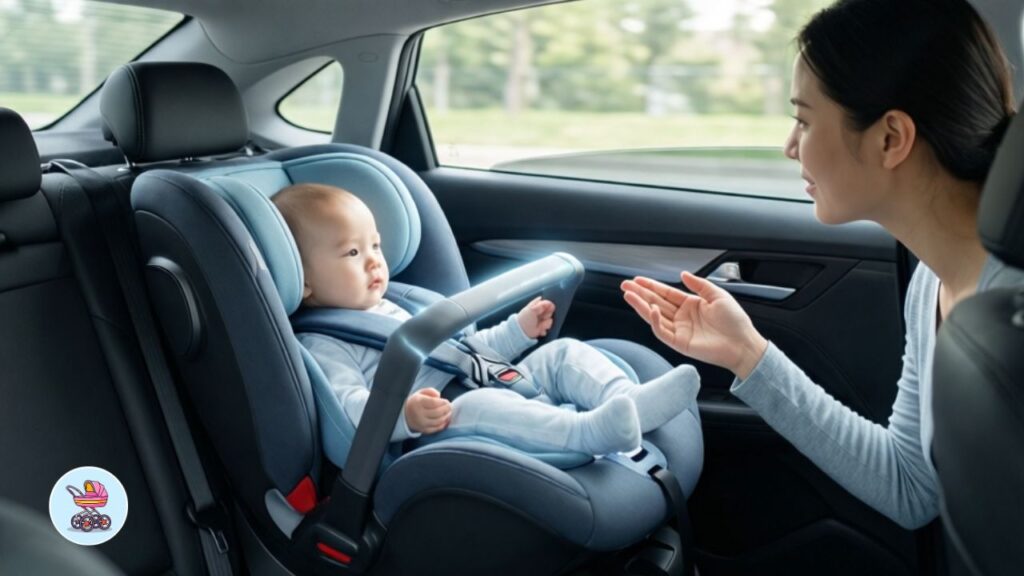
Choosing an anti rebound bar car seat depends on how much priority you give to advanced child safety in cars. It is not a legal requirement, but it is a strong upgrade for rear facing car seat safety and overall child passenger safety. Many parents prefer it because it improves crash protection support during real-world impacts.
The main value of this feature is better motion control. It reduces rebound motion, improves force distribution, and supports stronger occupant protection. When combined with other vehicle child safety systems, it creates a more stable and safer travel setup for kids.
Who Should Buy It
An anti rebound bar car seat is ideal for parents who want maximum injury reduction and enhanced safety performance. It is especially helpful for newborns, infants, and families who travel frequently.
It is also a smart choice if you already focus on advanced car seat safety accessories like load leg system, deep shell designs, or premium energy management features. Parents using modern travel systems like those reviewed on Careforcuties often prefer ARB for better overall protection.
Who Can Skip It
Some families may not need an ARB system. If your seat already has strong safety standards, a good harness system, and proper installation accuracy, you still have safe child restraint system safety.
It may also be optional for families on a budget or those using compact vehicles where space is limited. Even without ARB, certified seats still provide essential crash protection support and meet federal safety compliance rules.
Expert Recommendation
Experts agree that no single feature guarantees perfect safety. However, combining rear-facing position, strong harness systems, and advanced protective design gives the best results for vehicle safety for kids.
An anti rebound bar car seat is best seen as an upgrade, not a necessity. It enhances rear facing car seat technology, improves crash dynamics, and adds an extra layer of accident prevention. For many parents, this small upgrade brings big peace of mind during every ride.
Final Thought
If your goal is maximum safety, then an anti rebound bar car seat is a strong investment. It improves car seat accident protection, supports better energy management, and enhances overall child car protection system performance in everyday travel.
This guide is written and maintained by Saim Mughal, founder of Care for Cuties, who reviews and compares car seats, strollers, and baby gear firsthand to help parents make safer, smarter choices without the guesswork.
FAQs About Anti-Rebound Bar Car Seats
What does an anti-rebound bar do on a car seat?
It limits the backward “bounce” (rebound motion) after a crash. This improves rear-facing car seat safety by reducing head and neck movement.
Is a load leg or anti-rebound bar better?
A load leg gives stronger overall stability, while an anti-rebound bar controls backward motion. The best safety comes when a seat has both.
What is the role of the anti-rebound bar in the BabyArk car seat?
It helps control post-impact movement and improves crash protection support by reducing rebound forces in rear-facing use.
Which convertible car seats have an anti-rebound bar?
Models like Graco Extend2Fit (ARB versions), Britax One4Life, and Evenflo Revolve series include ARB or similar rebound control features.
Is anti-rebound bar safer?
Yes, it adds an extra layer of protection by limiting rebound motion, but safety still depends on correct installation and overall seat design.
Is a rebound bar necessary?
No, it is not legally required, but it improves child passenger safety and is recommended for added protection.
What are the disadvantages of rebounding?
Rebounding can increase head and neck movement after impact, raising strain risk if not controlled by features like ARB or load legs.
Do I need to remove the anti-rebound bar when I switch to forward-facing?
Yes, if it’s a detachable bar. Leaving it on can interfere with how the seat performs in forward-facing mode. Check your manual for your specific model’s instructions.
Does an anti-rebound bar work with a load leg at the same time?
On some premium convertible seats, yes — both features can be used together for stronger frontal and rebound protection, as long as your vehicle has floor space for the load leg.
Is a car seat without an anti-rebound bar unsafe?
No. Every car seat sold in the U.S. passes federal crash testing without needing an ARB, and rebound-related injuries are uncommon. It’s a helpful upgrade, not a safety gap.
Can I add an anti-rebound bar to a seat that doesn’t have one?
Generally no. ARBs are engineered as part of a specific seat’s base and crash structure — aftermarket add-ons aren’t tested or approved for use across different models.
Do I need to replace my car seat after a car accident?
In most moderate-to-severe crashes, yes — even seats with an ARB should be replaced, since the impact can weaken the structure in ways you can’t see. Check your seat manufacturer’s specific accident-replacement guidelines, as thresholds vary by brand.
12 Responses